切换导航
头条
美国企业保险服务
HR科技资讯
北美HR岗位
报告下载
洛杉矶论坛
2027
登录
注册
人工智能
全球劳动力报告深度解读:AI时代最大的挑战,不是裁员,而是员工的工作已经改变,组织却还没有跟上
人工智能究竟会取代多少工作?这是过去两年企业管理者、人力资源负责人和员工反复讨论的问题。但随着AI真正进入企业运营,一个更加现实、也更加复杂的问题正在浮现:即使员工没有失去工作,他们原来的工作是否已经发生了根本变化?如果岗位职责、技能要求和工作方式都在改变,企业现有的人才管理体系是否还能够支持员工持续成长? 2026年10月5日,企业管理软件公司Workday发布最新《Global Workforce Report: The Adaptability Advantage》(全球劳动力报告:适应力优势)。报告基于Workday平台劳动力数据及全球员工和企业决策者调查,试图回答AI正在如何改变就业市场、岗位结构、招聘、员工技能和职业发展。 报告最重要的一组数据是:40%的企业决策者预计AI将提高现有员工的生产力,34%预计工作内容或岗位结构发生变化,33%预计出现新的岗位或技能,而预计员工总数减少的比例为28%。 这些数据并不意味着AI不会导致裁员,也不能据此断言未来就业规模一定保持稳定。事实上,受访企业对AI的预期可能同时包含生产力提升、岗位调整和人员减少。但至少在当前阶段,企业对AI的期待已经明显超越简单的人力成本削减,开始转向如何重新组织工作、配置技能和提高业务效率。 对于北美华人人力资源管理者而言,这份报告揭示了一个值得高度重视的趋势:AI转型正在从技术部署进入组织重构阶段。真正考验HR专业能力的,不再只是帮助员工使用AI,而是帮助企业重新定义工作,并让员工在持续变化中找到自己的职业发展方向。 一、员工没有换工作,但他们的工作已经变了 Workday副总裁Phil Willburn在报告中提出了一个非常具有代表性的观察:“Employees may not be changing jobs, but their jobs are changing around them.” 员工可能没有更换工作,但他们周围的工作正在发生变化。 这句话揭示了当前劳动力市场一个容易被忽视的现象。从招聘、晋升和员工总数等传统指标来看,全球就业市场整体似乎处于相对停滞状态。企业没有大规模扩张招聘,内部晋升增长缓慢,员工流动也不像过去那样活跃。 但是,企业内部发生的变化远比这些数字呈现的更加剧烈。 Workday调查发现,38%的员工在过去一年经历了企业重组或组织结构调整,32%表示企业存在空缺岗位长期不补充人员的情况,30%观察到新岗位被创造,23%的受访者所在组织经历了裁员或岗位冗余削减。 也就是说,即使企业的员工总数没有明显变化,组织内部的工作分配、岗位职责和人员结构仍然可能经历大幅调整。 例如,过去一名Recruiter可能需要大量时间筛选简历、安排面试和联系候选人。随着AI招聘工具投入使用,这些重复性工作可以部分自动化,Recruiter可能因此需要将更多精力投入人才评估、业务沟通和招聘策略。 同样,对于HRBP而言,过去大量时间可能花在整理员工数据、生成报告和回答常规人事问题上;未来,这些任务可能越来越多地由AI辅助完成,而HRBP需要承担更多组织诊断、管理者支持和人才决策工作。 这些变化不一定伴随着岗位名称的改变,却可能实质性改变岗位的价值和能力要求。 从NACSHR的专业视角看,企业过去主要按照Job Title管理人才,但AI时代越来越需要从Task和Skills两个维度重新理解岗位。岗位是否存在是一回事,岗位内部究竟由哪些任务构成、哪些任务可以自动化、哪些能力必须由人承担,则是另一回事。 未来企业HR不能只关注Headcount Planning,还必须开始关注Work Redesign。 二、AI技能需求发生分化:会使用AI,正在成为基础能力 Workday报告中最值得关注的另一组数据,是基础AI技能需求下降25%,而应用型AI技能需求增长51%。 根据Workday对554家企业岗位招聘数据的分析,从2025年9月至2026年7月,企业对AI技能的要求正在发生显著变化。基础AI技能,例如日常使用AI工具、Prompting和Copilot,相关岗位需求在2026年1月达到高峰后下降了25%。 与此同时,Applied AI Skills持续增长,整体增幅达到51%。这些技能主要涉及Machine Learning、Workflow Automation、Large Language Models以及AI Engineering等实际应用能力。 这里需要特别强调:基础AI技能在招聘信息中的需求下降,并不代表企业不再需要员工使用AI,也不意味着这些技能失去了实际价值。更合理的理解是,随着AI工具普及,基础使用能力正在逐渐成为许多岗位的默认要求,而不再总是需要被单独强调的专业技能。 这与过去办公软件普及的过程有相似之处。当越来越多的知识工作者都能够使用Excel、PowerPoint或者其他办公系统时,企业真正重视的就不再只是员工会不会操作软件,而是能否利用工具解决实际业务问题。 AI也正在经历类似的变化。 对于企业HR而言,这意味着培训策略需要升级。过去一年,很多企业的AI培训主要围绕如何使用ChatGPT、Microsoft Copilot或其他生成式AI工具展开。这些培训有其价值,但如果长期停留在工具介绍和Prompt技巧层面,就很难真正推动组织生产力变化。 未来更有价值的学习发展体系,应当围绕实际业务场景展开。例如,招聘团队如何利用AI改善候选人匹配质量,HR Operations如何重新设计员工服务流程,Compensation团队如何提升数据分析能力,HRBP如何借助AI辅助组织诊断与劳动力规划。 企业需要建立的不仅是AI Literacy,更是将AI转化为实际工作成果的能力。 三、员工并不缺乏适应意愿,真正不足的是企业支持 人力资源管理者在推动AI转型时,经常会面临一个问题:员工是否愿意接受变化? Workday的调查结果提供了一个值得重新思考的答案。 65%的员工表示,如果未来岗位所需技能发生变化,他们有信心进行适应;79%的员工表示,自己知道未来取得成功需要哪些技能。但是,只有66%的员工认为,雇主真正帮助他们发展这些技能。 这13个百分点的差距,反映出员工技能认知与组织发展支持之间存在明显落差。 员工可能已经意识到AI正在改变工作,也愿意接受新技能培训,但他们未必知道企业究竟希望自己如何改变,更不确定完成学习之后能否获得新的发展机会。 这种矛盾在AI重度使用者中更加明显。 在几乎所有工作中使用AI的员工中,62%认为AI可能降低自己当前技能的市场价值,但同时有76%认为AI会创造新的职业发展机会。 这意味着员工对AI的态度并不是简单的支持或反对,而是同时存在期待与担忧。 他们看到了效率提升的机会,也意识到自己过去积累的某些专业能力可能正在发生贬值。 对于北美华人HR而言,这一点尤其值得重视。许多企业拥有不同文化背景、不同年龄层和不同专业经历的员工,各类员工对AI转型的理解、接受程度和职业焦虑可能存在差异。对于跨国经营、团队分布在不同地区的企业,这种沟通与支持的复杂性还可能进一步增加。 HR不能仅仅通过一封邮件宣布公司开始采用AI,也不能把员工参加培训的次数当作转型成功的证明。 企业更需要回答员工几个具体问题:我的岗位未来会如何变化?哪些任务将由AI承担?哪些技能仍然具有长期价值?公司是否提供学习资源?如果我掌握了新技能,是否能够看到明确的内部发展机会? AI转型过程中,员工最需要的可能不是更多关于AI的口号,而是更清晰的职业发展预期。 四、内部人才流动正在停滞,传统职业发展模式面临挑战 Workday报告显示,57%的企业内部横向岗位流动同比下降。全球员工的12个月滚动晋升率约为8.1%,整体基本没有明显增长。 更值得注意的是员工为何无法实现内部流动。 在尝试申请内部岗位的员工中,22%认为内部选拔程序不够公平,22%遇到岗位被暂停、撤销或改变的情况,17%表示经理不支持内部转岗。 而在过去一年没有申请内部岗位的员工中,44%表示对当前岗位满意,但27%表示没有看到有吸引力的内部机会。 这组数据揭示的问题可能比单纯的晋升率下降更加深刻。 过去企业内部的职业发展路径相对清晰:员工通过积累经验、完成绩效目标、承担更多职责,逐步获得晋升或转岗机会。 但随着AI改变工作内容、组织结构持续调整、部分企业控制新增岗位,传统依赖职位数量增长和管理层级扩张的职业发展模式正在受到挑战。 员工可能持续学习新技能,却发现原来熟悉的晋升路径不再存在;企业可能不断要求员工提升适应能力,却没有同步建立新的岗位转换机制。 如果企业不能解决这一矛盾,员工对学习和转型的积极性就可能逐渐下降。 Workday自身的案例提供了一种可能的解决方向。公司部署Fetch——HiredScore AI for Talent Mobility的一项能力——利用AI帮助招聘团队将内部人才与开放岗位进行匹配。部署后,Workday报告其内部人才流动同比增长45%。 这一案例说明,内部人才发展不仅取决于有没有岗位,还取决于企业能否识别内部人才的能力,并让相关机会被员工和招聘团队看见。 对于企业HR而言,这意味着Talent Marketplace、Skills Intelligence和Internal Mobility不应被视为几个相互独立的系统。 真正有效的人才管理体系,应当将员工现有能力、岗位技能要求、学习发展资源和内部机会连接起来。 尤其对于一些希望控制招聘成本、同时需要持续推进AI转型的企业,重新发现和配置已有员工的能力,可能比一味依靠外部招聘更加重要。 五、AI让招聘申请量暴增,却没有真正解决人才匹配问题 AI正在改变招聘市场的另一端。 Workday调查发现,84%的求职者已经在求职过程中使用AI,其中47%利用AI撰写或修改简历、求职信等材料,34%利用AI准备面试或评估。在使用AI求职的人群中,42%表示AI增加了自己申请的岗位数量。 随着AI降低申请成本,企业收到的申请数量明显增加。 从2025年7月至2026年7月,企业每发出一个Offer对应的申请数量中位数,从58份增加到69份。 其中,Technology & Media行业从147份增加到207份,同比增长40.4%;Financial Services行业从77份增加到98份,同比增长27.2%。 但是,招聘申请量显著增加,并没有带来同等程度的招聘效率提升。报告显示,整体岗位填补周期仍然维持在约60天。 34%的招聘经理表示,岗位难以填补的主要原因是候选人缺乏所需技能;33%认为候选人对薪酬、工作地点或灵活性的期望与岗位要求不一致。 这反映出一个值得HR关注的新问题:AI正在让候选人更容易申请工作,但并没有让企业更容易找到真正合适的人。 对于Recruiter而言,未来的挑战可能不再是如何获得更多简历,而是如何从大量申请中准确识别真正具备岗位能力、学习潜力和业务适配度的人才。 Workday workplace psychologist Dr. Liz Pavese在报告中指出,传统招聘系统和思维模式过度依赖职位名称及固定候选人画像,招聘经理需要进一步识别候选人的Transferable Skills和Adjacent Capabilities。 这意味着招聘评估需要逐步超越简历关键词和过去的Job Title,更多关注候选人的实际能力、问题解决方式和可迁移技能。 对于北美华人HR,尤其是服务于科技企业、专业服务机构和跨国企业的招聘团队,这一变化具有直接的实践意义。 当越来越多候选人使用AI优化简历和求职表达时,企业更应该提升结构化面试、工作样本评估和技能验证的质量。同时,在使用AI招聘工具时,也需要关注候选人隐私、评估公平性,以及所在地适用的就业和自动化决策相关要求,避免把效率提升建立在新的合规风险之上。 六、员工暂时留下,不代表他们真正愿意留下 当前劳动力市场还有一个容易让企业产生误判的现象:员工流动相对缓慢,但员工对组织的认同感并不一定同步提高。 Workday数据显示,典型企业的两年员工留任率从2024年7月的73.3%下降至2026年7月的70.5%。 与此同时,27%的员工表示未来12个月可能寻找外部工作机会,而报告中的年度自愿离职率约为16%。 这说明一部分员工虽然尚未离职,但已经开始考虑外部发展机会。 特别是在招聘需求相对疲软、外部岗位竞争加剧的环境中,员工可能因为经济压力、职业风险或者缺乏合适机会而暂时留在现有企业。 这种留任并不能自动等同于员工满意度或组织忠诚度提高。 Workday进一步发现,只有59%的员工认为雇主真正关心自己这个人,58%认为影响员工的组织变化得到了公平处理。 在员工成长体验方面,Career Path的积极评价比例仅为63%,明显低于Mentoring的81%和Learning的79%。 这些结果非常值得企业HR警惕。 企业可能提供了培训课程,也建立了导师机制,但员工依然看不到自己未来能够走向哪里。 这就解释了为什么单纯增加培训预算或者学习资源,未必能够解决员工参与度和留任问题。 员工真正需要的,不只是学习机会,而是学习与未来职业发展的连接。 对于正在经历组织调整、岗位重构或AI转型的企业,透明沟通、公平的人员决策和清晰的职业发展预期,可能比单纯强调企业文化更加重要。 NACSHR认为,HR管理者尤其需要关注那些“没有离职、绩效尚可,但对未来发展缺乏信心”的员工。这类风险往往不会立即反映在Turnover指标中,却可能逐渐影响员工主动性、知识共享、创新意愿和组织信任。 七、大型企业收缩与中小企业增长并存,北美人才市场需要重新观察 Workday报告还呈现了另一个重要变化:不同规模企业的就业增长正在明显分化。 2026年上半年,企业总体员工规模增长接近零,但大型企业和中小企业的表现存在较大差异。 在Workday研究样本中,拥有100,000名以上员工的超大型企业贡献了约74%的净员工人数下降,但仅占样本员工总数的26%。 相比之下,较小规模企业仍然表现出更明显的增长动力。 按照报告中的Headcount Trajectory Index,Emerging/SMB达到58.4%,Midmarket为51.0%,Enterprise为48.9%,Large Enterprise为44.3%,30,000人以上的Majors仅为42.8%。 这些数据反映的是Workday客户样本内不同规模企业的人员变化趋势,不能直接代表整个美国或加拿大劳动力市场。但它提示企业,不同规模公司的招聘需求与人才管理重点,可能正呈现明显分化。 大型企业可能更加关注组织效率、AI投资回报和内部人才重新配置,而中小型成长企业可能仍然面临业务扩张、人才招聘和管理能力建设的压力。 对于北美华人HR而言,这也意味着人才管理策略必须与企业发展阶段相匹配。 大型跨国企业可能需要更加成熟的Skills Framework、Talent Marketplace和Workforce Planning能力;处于增长阶段的中小企业,则可能更需要灵活的招聘体系、跨职能人才培养和高效率的HR运营支持。 尤其对于在北美持续发展业务的华人创业企业和跨国企业,AI应用可以成为提高组织效率的重要机会,但前提是企业能够明确哪些工作真正适合自动化,哪些岗位需要重新设计,以及哪些关键人才能力必须持续投入。 八、NACSHR观察:AI时代,HR正在从人员管理走向工作设计 如果将Workday报告中的数据放在一起分析,可以发现一个更加深层的趋势:AI正在改变企业人力资源管理的基本逻辑。 过去,HR系统主要围绕员工和岗位展开。招聘负责把人带进组织,绩效管理评价员工表现,学习发展帮助员工提升技能,人才管理决定晋升与继任,薪酬福利则围绕岗位和员工关系设计。 这些模块虽然相互关联,但在不少企业中仍然是相对独立运作的。 然而,AI正在打破这种边界。 当岗位中的部分任务由AI完成时,Job Description就需要调整;当工作内容发生变化时,Skills Framework需要更新;当员工掌握新的能力时,企业需要重新评估内部岗位匹配;当AI提高团队产能时,绩效目标和管理方式也可能需要改变。 这些变化最终会影响招聘、培训、绩效、薪酬、组织结构和员工关系。 因此,AI时代的人力资源转型不应该被简单理解为“给HR增加一些AI工具”。 更重要的是重新建立Work、Skills、People和Technology之间的关系。 从NACSHR的角度看,未来企业HR的专业价值,可能越来越体现在四个方面。 首先,是能够理解业务和岗位如何被AI改变,而不是仅仅根据管理层提出的人员需求执行招聘。HR需要参与岗位任务分析、组织结构讨论和工作流程优化。 其次,是能够识别企业未来真正需要的能力,并把技能要求转化为员工可以理解的发展路径。技能体系不能只是用于招聘筛选,更应该成为内部培养和人才配置的基础。 第三,是能够帮助管理者处理组织变化中的人际关系和信任问题。AI可以生成岗位分析和培训建议,却不能自动建立员工对管理者的信任,也无法替代企业对公平性和员工体验的责任。 第四,是能够利用数据改善人才决策。企业需要将传统Headcount、Turnover和Time to Fill等指标,与内部人才流动、技能差距、岗位变化和员工职业发展体验结合起来,而不是孤立地观察某一个数字。 真正有竞争力的HR组织,将不只是管理企业现有的人力资源,而是能够持续帮助企业重新配置人与工作的关系。 九、北美华人HR可以从哪些具体行动开始? 对于正在制定2027年人才战略的企业,NACSHR建议将AI转型从抽象讨论转化为可以执行的管理议题。 第一步,重新审视关键岗位。 企业不需要一开始就重构所有Job Description,可以优先选择招聘、客户服务、财务、人力资源运营、市场营销等AI影响较明显的职能,分析现有岗位的任务构成,识别哪些工作可以自动化、哪些需要人工审核,以及哪些职责可能因此发生变化。 第二步,开展技能差距分析。 不要只问员工是否会使用AI,而要根据真实业务流程,判断员工需要哪些AI工具应用能力、数据分析能力、流程设计能力和专业判断能力。对于现有员工,应重点识别可以通过培训和实际项目获得的新能力。 第三步,将培训与内部机会连接。 如果企业希望员工持续Reskill,就应当尽可能提供明确的岗位发展方向。对于无法立即提供晋升的企业,也可以通过跨部门项目、横向发展、岗位轮换和新的专业职责,为员工建立成长空间。 第四步,让Manager成为转型的重要参与者。 企业应当鼓励管理者定期与员工讨论岗位变化、未来技能需求和职业发展,而不是只在年度绩效评估时讨论目标完成情况。对于涉及AI的组织调整,还应明确经理在员工沟通、公平评价和培训支持方面的责任。 第五步,建立更合理的AI转型衡量指标。 AI工具使用率和培训完成率可以作为过程指标,但不应成为衡量转型成功的唯一依据。企业还应关注实际工作效率、员工技能提升、内部流动机会、岗位匹配质量、员工信任和业务结果。 对于资源有限的中小企业,可以从一两个关键职能开始试点,不必追求一次性建设复杂的人才管理平台。对于组织规模较大、业务覆盖多个国家或地区的企业,则应当逐步建立跨职能、跨地区的岗位与技能治理机制,同时注意不同司法辖区在员工数据、招聘决策和劳动关系方面的要求。 需要指出的是,以上建议是NACSHR基于报告提出的企业管理实践方向,并非Workday报告已经验证有效性的统一实施方案。企业仍需根据自身业务结构、员工规模和管理成熟度进行调整。 十、结语:AI时代真正的竞争优势,是组织持续适应变化的能力 Workday将这份报告命名为《The Adaptability Advantage》,其核心含义不只是要求员工学习新技能,而是强调企业需要建立能够持续适应变化的组织能力。 在AI持续进入企业的过程中,一些传统任务可能减少,一些岗位可能重新组合,新的技能和职业机会也可能不断出现。对于员工而言,这意味着过去依靠一套专业技能长期维持职业竞争力的模式正在受到挑战。 但对于企业而言,挑战同样巨大。 如果企业不断要求员工提高效率,却无法解释岗位未来的发展方向;如果企业持续投入AI系统,却没有同步调整工作流程和管理机制;如果员工努力学习新技能,却看不到组织内部的发展机会,那么AI技术带来的生产力潜力就可能无法充分转化为长期组织能力。 值得注意的是,Workday报告并未证明AI已经全面减少裁员,也没有证明AI必然提升企业就业规模。它真正揭示的是,在就业总体增长相对平缓的背景下,工作内容、技能需求和员工职业预期正在持续变化。 而这种变化可能比单纯的岗位增减更加深刻。 对北美华人HR而言,未来的专业竞争力也将越来越取决于能否深入理解业务,参与组织设计,推动人才转型,并在效率提升与员工发展之间建立合理平衡。 企业需要的不只是能够执行招聘、薪酬和员工关系工作的HR,更是能够帮助管理层理解未来工作模式、支持员工适应变化,并共同建设高绩效组织的人力资源领导者。 AI时代最值得企业警惕的,或许不是某些岗位正在消失,而是员工的工作已经发生改变,企业的人才管理制度却仍然停留在过去。 这也给所有HR管理者留下了一个值得深入讨论的问题:当企业开始用AI重新定义工作时,我们是否已经准备好重新定义人力资源管理本身? 关于NACSHR NACSHR(北美华人人力资源协会)致力于连接北美华人人力资源专业人士、企业管理者及行业合作伙伴,推动人力资源领域的专业交流、实践分享与跨行业合作,持续关注AI、组织转型、人才管理、劳动法规及未来工作的发展趋势。 官方网站:https://www.nacshr.org 资料来源与研究说明 Workday, Inc.,《Global Workforce Report: The Adaptability Advantage》,October 2026。本文主要参考完整22页报告,涵盖岗位变化、招聘趋势、AI技能、内部人才流动、员工留任及企业规模差异等内容。 Workday / PR Newswire,《Workday Global Workforce Report: AI Is Rewriting Jobs More Than It's Cutting Them》,October 5, 2026。官方新闻稿:https://www.prnewswire.com/news-releases/workday-global-workforce-report-ai-is-rewriting-jobs-more-than-its-cutting-them-302898076.html 研究方法说明: Workday的Global Workforce Reporting结合Workday Human Capital Management、Workday Peakon Employee Sentiment及Workday Recruiting相关数据,涵盖12个主要行业、5种企业规模及19个国家,并使用不同的样本面板进行分析。两项补充调查分别为2026年9月的Q3 Global Workforce Survey(N=6,001,其中决策者相关问题约1,780人),以及2026年8月的AI@Work Survey(N=5,944)。调查覆盖美国、英国、加拿大、澳大利亚、法国和德国。部分指标为新增或暂定指标,报告明确要求将观察结果视为描述性趋势,而非直接因果证据。 本文由NACSHR北美华人人力资源协会根据Workday官方研究报告及新闻稿整理、分析并撰写。文中数据来自原始研究,行业判断及管理建议为NACSHR基于报告作出的独立专业解读,不代表Workday官方立场。
人工智能
2026年10月06日
人工智能
2027年CHRO信心继续降温:北美华人HR需要看到的,不只是招聘变化
核心摘要:企业还在招聘,但对整体扩张越来越谨慎。2026年Q3 CHRO Confidence Index从58降至56,招聘指数反而升至61,但留任降至54、员工敬业度降至55。更值得关注的是AI:82%的CHRO表示企业已因AI调整劳动力规划,但50%只是轻微调整,只有19%真正把AI预期影响纳入企业级人力与财务规划;仅4%认为企业已为未来两年的AI劳动力变革做好充分准备。AI时代,HR真正面对的问题已经从“是否使用AI”,转向“哪些工作会改变、需要什么技能、如何重新配置人才与预算”。下一阶段,HR科技战略必须真正进入企业的workforce planning。 进入 2026 年第四季度,美国企业的人力资源管理正在出现一个值得关注的变化:企业并没有停止招聘,但正在变得更加谨慎;AI 也不再只是一个 HR Technology 话题,而是越来越直接地进入人员编制、岗位设计、技能规划和财务预算。 The Conference Board 于 10 月 1 日发布的最新美国 CHRO 调查显示,2026 年第三季度 CHRO Confidence Index 从第二季度的 58 进一步下降至 56。指数仍高于 50,意味着总体正面判断仍多于负面判断,但企业 HR 领导者的信心已经连续降温。 对于正在美国和北美工作的华人 HR 来说,这组数据真正值得关注的,并不是“市场好还是不好”这么简单,而是企业的人才决策逻辑正在发生变化。 一、企业还在招聘,但“招聘”已经不等于“扩张” 这份调查中有一组看似矛盾、实际上非常重要的数据。 第三季度 Hiring Index 从 59 上升到 61,53% 的 CHRO 预计未来六个月招聘人数将增加,只有 17% 预计招聘减少。也就是说,美国企业整体招聘需求并没有明显消失。 但另一方面,只有 49% 的 CHRO 预计未来六个月企业整体 workforce size 会增加,相比第二季度的 55% 明显下降;23% 预计员工规模将减少。 这意味着企业正在逐渐把两个过去经常被放在一起讨论的问题拆开: 我们是否还需要招聘?和 我们是否还需要增加整体员工数量? 答案可能已经不再相同。 越来越多企业可能仍然需要招聘 AI、技术、销售、关键业务岗位或具备特定能力的人才,但与此同时,通过自然流失、不补岗、组织重组、自动化以及岗位整合控制整体 Headcount。 对于 HR 来说,这意味着未来的人才管理不能只看招聘数量,更需要理解企业的 workforce mix。 真正的问题将越来越变成: 哪些岗位必须继续招聘? 哪些岗位需要升级能力? 哪些工作可以被 AI 或自动化重新设计? 哪些 Headcount 应该重新配置,而不是简单增加? 对于很多北美华人 HR,特别是在中美跨境企业、科技公司以及快速增长企业工作的 HR,这种变化会越来越明显。 过去业务部门可能习惯于提出:“我要增加 10 个 Headcount。” 未来 HR 需要进一步追问:“为什么一定需要增加 10 个人?工作本身是否已经发生变化?” 这实际上是在推动 HR 从招聘执行者逐渐转向 workforce planning 的参与者。 二、相比招聘,员工敬业度正在成为更明显的风险 另一组值得北美 HR 特别注意的数据,是 Employee Engagement。 第三季度 Engagement Index 从 59 下降至 55。只有 44% 的 CHRO 表示员工敬业度有所改善,而认为敬业度下降的比例已经从第二季度的 16% 上升至 24%。 Retention Index 同样从 55 降至 54。预计员工留任改善的 CHRO 比例从 36% 降到 33%,预计留任恶化的比例则从 19% 上升到 22%。 这背后其实反映了当前企业管理中一个越来越典型的矛盾: 企业希望提高效率、控制成本、引入 AI、重新设计岗位,但与此同时,员工本身正在经历越来越强的不确定性。 当员工不断看到裁员、组织调整、AI 替代、岗位变化和预算收紧时,即使企业本身仍在招聘,也并不意味着员工的安全感和组织认同会同步提高。 所以 2026—2027 年 HR 的一个重要任务,很可能不是单纯解决 Employee Retention,而是重新解决 Employee Trust。 特别是在组织调整和 AI transformation 过程中,HR需要帮助管理层回答员工最关心的几个问题: 我的工作会不会被 AI 取代? 我的岗位未来会发生什么变化? 公司希望我学习什么新能力? 如果工作发生变化,公司是否会提供新的机会? 绩效标准是否也会发生变化? 如果这些问题长期没有答案,那么员工 Engagement 下降可能比人员流失本身更早出现。 三、82%的企业已经因为AI改变劳动力规划,但真正深入的并不多 这份报告中最值得关注的数据,其实来自 AI。 82% 的 CHRO 表示,企业已经因为 AI 改变了 workforce planning。 这个比例已经非常高。 但如果继续往下看,会发现企业实际推进程度仍然非常有限。 50% 的 CHRO 表示企业只进行了 slight change,25% 是 moderate change,真正认为 AI 已经给 workforce planning 带来 significant change 的只有 7%。 也就是说: 几乎所有企业都已经意识到了 AI,但真正重新设计组织的企业仍然很少。 目前企业采取最多的动作,仍然停留在“分析”和“讨论”。 在已经调整 workforce planning 的企业中,67% 已经开始分析 AI 对 jobs、tasks 和 workforce demand 的潜在影响;67% 已经把 AI technology 或 AI leaders 引入 workforce planning 讨论;45% 开始引入新的 AI workforce、skills 或 labor-market data。 但真正改变规划机制的企业明显更少:只有 21% 改变了 workforce planning schedule,20% 提高了规划频率。 这说明很多企业已经开始问: AI 会不会影响这些岗位? 但还没有进一步走到: 那我们明年的 Headcount 到底应该怎么调整? 四、真正关键的数据,是19% NACSHR 认为,这份调查中最值得 CHRO 和 HR Leader 关注的数字之一,是 19%。 无论全球化企业还是非全球化企业,目前只有 19% 已经把预期中的 AI 影响真正纳入企业级 workforce planning 和 financial planning。 为什么这个数字特别重要? 因为只有当 AI 最终进入 Financial Planning,它才真正从“技术趋势”进入“企业经营”。 例如: 如果 AI 可以让一个团队的某类工作效率提高 30%,明年的预算应该怎么调整? 一个原本计划招聘 20 人的团队,是否还需要 20 人? 哪些岗位应该增加,哪些岗位应该减少? Training Budget 是否应该重新配置? 是招聘 AI talent,还是 Upskill 现有员工? 哪些岗位应该转变为 Human + AI 的工作模式? 这些问题最终都不是纯粹的 HR 问题。 它们实际上是: Workforce + Organization + Technology + Finance 的联合决策。 这也是为什么未来优秀的 HR Leader 必须更加理解业务和财务。 五、AI真正的障碍不是预算,而是不知道未来会怎样 报告还问了一个非常重要的问题: 企业为什么还没有做好 AI workforce planning? 排名前三的原因分别是: 41%——难以预测 AI 对 workforce 的真实影响; 39%——现有员工 AI skills 不足; 31%——企业缺乏清晰的 AI strategy。 值得注意的是,Financial Resources、Executive Alignment 和 Workforce Data 被认为是障碍的比例反而明显更低。 换句话说: 企业现在最大的困难,并不是“没有钱买 AI”。 而是“不知道 AI 最终会把工作变成什么样”。 这对于 HR 是一个非常重要的信号。 未来 HR 的价值,不会只是掌握更多 AI 工具。 真正稀缺的能力,是能够判断: AI 能做什么; 哪些工作应该交给 AI; 哪些工作必须由人完成; 岗位应该如何重新设计; 组织应该保留什么样的人才; 未来需要什么新的能力。 从这个意义上说,AI时代 HR 最重要的能力之一,反而可能是 Human Judgment——判断力。 六、对于北美华人HR,接下来应该重点做什么? 结合目前北美企业的人力资源环境,NACSHR认为,至少有六件事情值得 HR 在 2026 年第四季度到 2027 年重点关注。 第一,不要再只做 Headcount Planning,而要开始做 Workforce Planning。 Headcount 回答的是“需要多少人”,Workforce Planning 回答的是“未来需要什么工作、什么技能、什么人才组合”。 这两个问题已经越来越不同。 第二,开始做岗位和任务层面的 AI Impact Review。 不要简单讨论“这个职位会不会被 AI 替代”。 应该把一个岗位拆成 Tasks: 哪些任务可以自动化? 哪些可以由 AI 辅助? 哪些仍然高度依赖 Human Judgment? 只有做到 task level,HR 才能真正重新设计岗位。 第三,把 Skills Planning 放到更核心的位置。 未来很多公司真正缺少的并不一定是人,而是 Skill。 Recruiting、Learning & Development、Internal Mobility 和 Performance Management 应该逐渐围绕 Skills 建立更加统一的逻辑。 第四,把 HR Technology Strategy 和 Workforce Strategy 放在一起。 The Conference Board Head of Human Capital Research Robin Erickson 特别指出,CHRO需要让 HR technology strategy 与 workforce planning 和 skills planning 建立更加紧密的联系。 未来企业不能一边采购 AI HR 产品,一边完全按照过去的方法做 workforce planning。 技术战略和人才战略必须开始真正连接。 第五,更早参与 Financial Planning。 当 AI 开始影响 Headcount 时,HR 与 Finance 的关系会变得更加重要。 年度预算、人员成本、福利成本、招聘计划、培训投资以及AI投资,都需要放在同一个框架中讨论。 未来 CHRO 与 CFO 的合作,很可能会比过去任何时候都更加紧密。 第六,也是北美华人 HR 特别需要关注的一点:提升自己在组织中的“判断力”和“影响力”。 未来很多具体 HR 工作可能会被 AI 提升效率,包括 Job Description、招聘筛选、政策查询、数据分析、Employee Communication 甚至部分 HRBP 工作。 但企业仍然需要有人回答: 什么才是正确的组织设计? 应该留下什么人才? 什么时候应该招人? 什么时候应该重构岗位? 什么时候效率和员工体验发生冲突? 企业应该承担什么样的风险? 这些都不是简单 Prompt 可以自动给出答案的问题。 从HR执行者,到组织设计者 The Conference Board 的这份 Q3 2026 调查,其实展示了一个正在逐渐成型的新现实: 企业仍然需要人才,但不一定需要持续扩大员工规模; 企业正在采用 AI,但还不知道 AI 最终会怎样改变组织; 企业希望提升效率,但员工 Engagement 和 Retention 正面临新的压力。 这三件事情最终都会落到 HR 身上。 对于北美华人 HR 而言,这可能也是一次非常重要的职业角色升级机会。 未来真正有价值的 HR,不只是懂 Recruiting、Benefits、Compliance 或 HR Operations,而是能够同时理解 Business、People、Technology 和 Organization。 过去,我们更多是在管理“人”。 接下来,我们需要开始重新设计“工作”。 NACSHR 北美华人人力资源协会认为,AI时代 HR 最重要的问题,已经不是“AI会不会影响HR”,而是:当AI开始重新定义工作时,HR能不能参与定义新的组织。 这也是未来几年北美 HR 值得持续讨论的核心议题。 数据来源:The Conference Board,Q3 2026 CHRO Confidence Survey,2026年10月1日发布。
人工智能
2026年10月01日
人工智能
精彩回顾:2026 NACSHR北美华人人力资源年度论坛硅谷举行:AI重构工作与组织,判断力成为新的稀缺能力
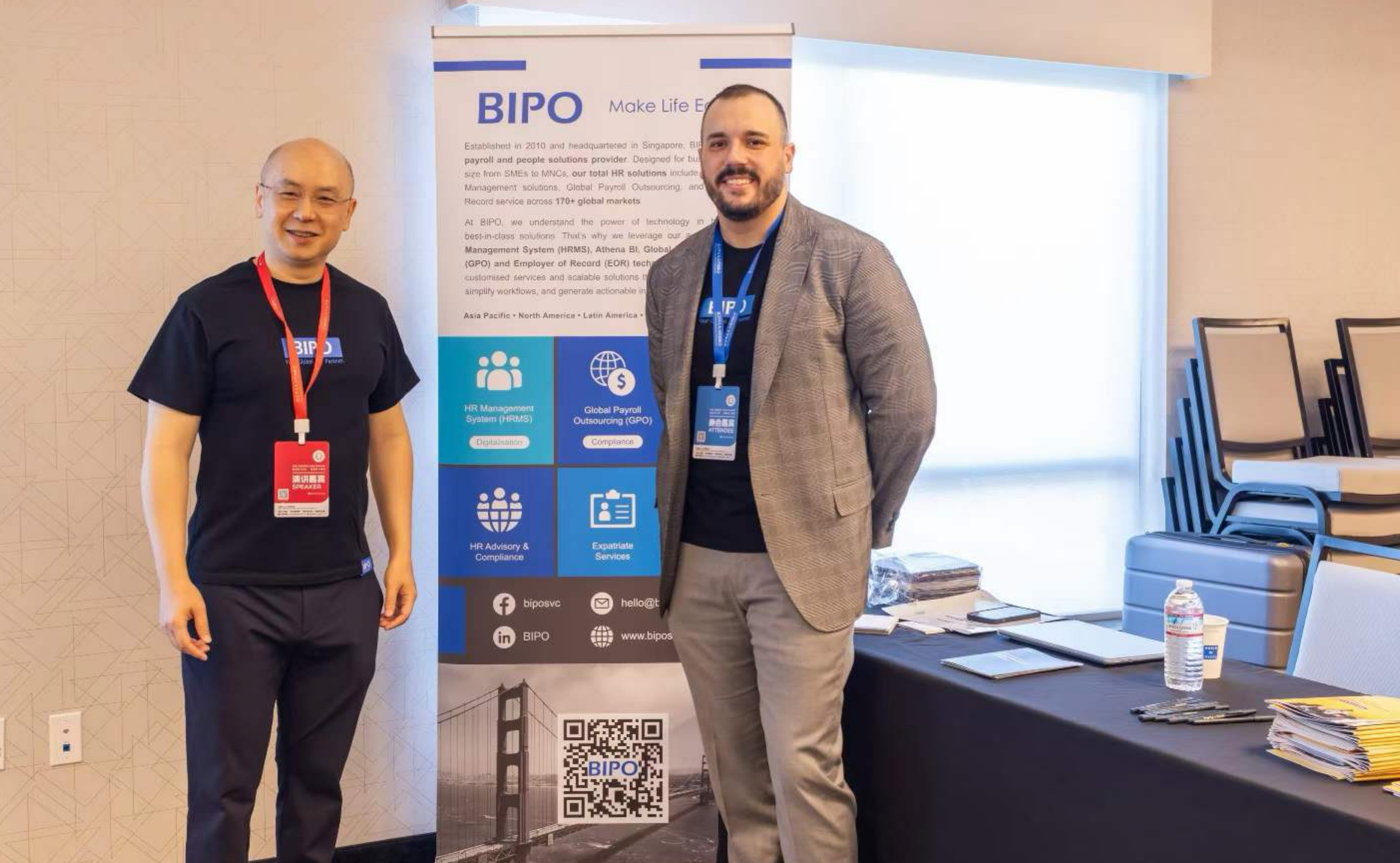
硅谷,2026年9月26日——2026 NACSHR 北美华人人力资源年度论坛(2026 NACSHR Annual Conference)在硅谷举行。50余位来自硅谷、多伦多、芝加哥、休斯顿、洛杉矶及美国东部等地的企业 HR 负责人、企业管理者、科技从业者和专业服务领域专家齐聚现场,围绕 AI 时代的组织转型、工作方式与人才画像、HRBP 角色变化、全球化与跨文化管理、北美华人 HR 职业发展、移民政策、员工福利与企业风险等议题展开了一整天的交流与讨论。论坛得到了赞助合作伙伴 BIPO 与 Ji Mobility Law 的支持,为北美华人 HR 的专业交流、行业连接与知识分享提供了重要助力。 如果用一句话总结本届论坛,其核心可以归纳为: AI 超速发展的时代,真正发生的并不只是工具和技能的升级,而是在重新定义工作、岗位、组织、人机分工、HRBP 角色、人才标准、全球化管理与激励机制;当越来越多执行交给 AI,人最稀缺、也最有价值的能力,正在变成判断力。 这也构成了贯穿全天讨论的两个关键词:重构(Redesign)与判断力(Human Judgment)。 从HR Tech升级走向工作与组织的重构 论坛首先从更长的产业周期审视 AI 正在给 HR 和组织带来的变化。 长期在HR科技领域的观察者Gawain 以《十年全球 HR 科技趋势与 AI 时代的人力资源挑战》为主题,从过去十余年的 HR Tech 产业数据、融资并购及技术演进出发提出,过去的软件主要帮助 HR 将招聘、绩效、薪酬等流程数字化,而生成式 AI 与 Agent 已开始直接参与甚至执行工作任务。 这意味着,企业接下来面对的问题不再只是“如何使用 AI”,而是需要重新回答:什么工作应该继续由人完成,哪些任务可以交给 AI,哪些判断必须由人承担。他同时指出,当前 AI 对个人能力与工作效率的提升已经十分明显,但如何利用 AI 改善组织、重构工作与流程,仍是全球企业共同探索的核心难题。AI 的演进速度正在进一步加快:从微软一直推动的Co-pilot副驾驶目前已经变成了Auto-pilot自动驾驶,AI从辅助到给结果,也是这180天的事。这一变化也意味着,HR 需要把关注点从个人 AI 技能进一步延伸到工作与组织的重新设计。引发HR同仁的深度思考。 2026 NACSHR Conference Chair Bijun Zhang 随后以《When Code Gets Cheap, the Org Chart Breaks》为主题,以 Anthropic 为案例讨论 AI-native 企业如何重新设计劳动分工,并进一步将这一变化延伸到 HR Function。她提出,当 AI 大幅降低代码、内容和执行工作的生产成本后,组织真正的瓶颈正在从“把事情做出来”转向 Judgment——包括验证、审查、取舍、品位、安全与责任判断。新的 Human + AI 分工逻辑因此可以概括为:Humans hold judgment, AI holds throughput。 这种变化并不会停留在技术团队。Bijun 进一步提出,随着大量 transactional HR work 被自动化或增强,HR 的时间将更多从事务交付转向 strategic judgment,传统由 COE、HRBP 和 Shared Services 构成的 Three-Pillar Model 也可能被重新设计。未来 HR 可能进一步走向以统一 People Data 与 AI Platform 为底座、以不同 Product Pods 和 Flow-to-Work Teams 为组织方式的新模式,并形成 People Strategist、People Scientist 和 People Technologist 等新的角色分工。CHRO 的角色也可能进一步演变为 Enterprise Workforce Architect,负责设计 Human + AI 如何共同组成企业未来的 workforce。 这也为全天讨论奠定了一个重要命题:AI 越能执行,人越需要判断;真正需要改变的,不只是工具,而是工作与组织本身。 全球化竞争加速,技术平台与本地能力缺一不可 来自 BIPO 的 North America Account Director、Canada Country Manager David Tan 以 “From Local to Global: How BIPO's AI Powers North American Companies Abroad” 为主题,讨论企业进入全球市场过程中面临的人才、Payroll、合规与本地化挑战。 作为本届论坛的赞助合作伙伴,BIPO 在分享中指出,市场增长压力、全球人才竞争、客户本地化需求以及更快的竞争周期,正在推动企业加速全球扩张。与此同时,Worker Classification、Payroll、税务、福利、劳动法规以及文化差异,也让全球 HR 管理的复杂度快速上升。 David Tan 提出,将统一的技术平台、AI 能力和本地专业团队结合起来,可以帮助企业降低进入不同国家和地区时的运营与合规复杂度。 这也反映出一个更广泛的变化:对于全球 HR 而言,AI 不仅是效率工具,也正在逐步成为跨国家、跨系统和跨规则环境下的组织基础设施。 AI时代的组织转型:判断力、人性与激励重新成为核心 上午的「AI时代组织转型」圆桌由来自 Meta AI Labs 的 HRBP Tina 主持,前 Paraform VP of Engineering、前 TikTok 产品与工程负责人陈扬,NextCurve Intelligence 创始合伙人春夏,以及来自 Fireworks 的 Member of Technical Staff 乔健参与讨论。 三位嘉宾开场分别用 Reset、Reboot 和“人性与激励” 概括自己对 AI 时代的理解。这三个关键词也几乎定下了整场讨论的基调:AI 带来的变化并不只是技术变化,最终仍然要回到人的能力、组织结构和激励机制。 陈扬提出,AI 正在明显压缩 develop 的时间,而 design、QA 和判断所占的比重反而在上升。未来人才之间真正拉开差距的,可能不再只是执行速度,而是能否独立思考、做出判断,以及是否具备对结果质量的 “taste”。 由此形成了现场极具代表性的一个观点: Judgment is the new output——判断力正在成为新的生产力。 圆桌进一步讨论到,未来三年值得持续投资的能力,不只是某一项 AI 技能,而是判断力,以及跨越传统职业边界解决问题的勇气。当岗位边界逐渐松动,未来的人才越来越可能围绕问题工作,而不是严格围绕 Job Description 工作。 乔健则提出,面对 AI 焦虑,与其持续讨论“AI 会不会取代自己”,不如把问题具体化,从一项真实工作开始使用 AI。 与此同时,他也提醒,AI 的 productivity 可以快速提升,但人的认知能力、注意力和心理承载能力并不会同步增长。Mental Health、Human Touch、意义感和组织节奏,可能因此从传统员工体验议题进一步上升为 AI 时代的重要组织议题。 春夏则从组织跃迁与激励机制出发提出,一个组织真正实现变化,仍然离不开三个基础条件:一号位的认知、工作流的沉淀,以及符合人性的激励机制。 随着 Agent 进入工作场景,下一代组织可能逐步从单纯的“人管理人”转变为 Humans + Agents 的混合组织。人和 Agent 如何分工、Agent 如何评价、设计和管理 Agent 的人如何被考核,都将成为新的组织设计与激励问题。 从年度续保走向持续福利与风险管理 企业成本和风险管理同样是本届论坛的重要议题。 来自 NACSHR 的 California Licensed Insurance Broker Annie Huang 以《2027美国企业保险新周期:从员工健康福利到企业风险保障,HR该如何提前布局?》为主题,分享美国员工福利与企业保险市场正在发生的变化。 分享指出,随着医疗成本持续上涨,中小企业的员工福利管理已经不能停留在临近 Renewal 时“最后几周比价格”的传统方式,而需要提前90至120天开始更新员工参保数据、比较保险市场、规划企业补贴机制,并提前进行员工沟通。 讨论还从 Medical Benefits 延伸到 Workers’ Compensation、EPLI、Cyber Insurance、E&O、General Liability 等企业风险场景。对于 HR 而言,员工福利、用工风险和企业保险正在变得更加紧密,福利管理也正在从一次年度采购逐渐转向持续规划与管理。 美国移民政策频变,HR需要学会管理不确定性 来自 Ji Mobility Law 的合伙人律师 Jacky(Jiaqi)Ji 以《移民政策频变,HR如何调整预期》为主题,梳理了近期美国高技能人才和国际员工用工环境中的多项变化,包括 H-1B、F-1、CPT、OPT、PERM、H-4 EAD,以及企业裁员与 H-1B 审查之间可能产生的新关联。 Jacky 的分享特别强调了一点:在移民政策频繁变化的环境中,HR 首先需要区分已经生效的规则、受到法院限制的政策,以及仍在规则制定或诉讼过程中的变化,而不能把所有政策消息都当作已经落地的规定。 以备受关注的 H-1B 10万美元费用为例,白宫在2026年9月18日延长了相关 proclamation,但此前联邦地区法院已裁定该费用违法,第一巡回上诉法院在7月拒绝暂停该裁定,因此截至论坛举行时,收费要求仍受到法院裁决的限制,相关法律争议尚未结束。 Jacky 也谈到 F-1 Duration of Status(D/S)规则的变化。原计划于9月15日生效的新规在生效前一天被联邦法院暂缓实施,因此截至论坛当天仍未正式生效。 对于企业 HR 而言,更值得关注的是移民政策正在与 Workforce Planning 更紧密地交叉。9月18日发布的 H-1B Executive Order 明确要求相关政府部门在审查过程中考虑雇主过去一年是否进行过裁员,或是否计划裁减与 H-1B 岗位类似的美国员工。 这意味着,未来 HR、Hiring Manager 和移民律师之间的协作需要进一步前置。移民问题不能只在 Offer 发出或签证即将到期时处理,而需要更早进入 Headcount Planning、Layoff Planning、人才保留和岗位设计。 Jacky 还结合企业日常场景讨论了 H-1B 抽签政策如何向员工解释、CPT 用工如何评估、O-1 中的雇主责任与 Agent 模式,以及 L-1 是否能够在部分场景下成为 H-1B 之外的人才流动路径。 这一环节进一步说明,在政策高度不确定的环境中,HR 的专业价值并不是给员工一个看似确定的答案,而是理解规则所处的阶段,评估风险,并帮助企业和员工形成合理预期。 中美出海:本地HR正在从执行者转向战略桥梁 来自 Freewind Technology Corporation 的 VP of HR & Admin Alice Tian 以《中美出海,本土HR的挑战及跨文化管理》为主题,讨论全球化企业在北美经营过程中经常遇到的管理矛盾。 Alice Tian 指出,总部往往希望将国内已经验证过的管理经验复制到海外,但当地法律、劳动关系、薪酬福利体系、工作文化和员工期待可能完全不同。本地 HR 因此经常同时面对总部和当地员工两个方向的沟通压力。 她认为,Local HR 不应只是政策的 Enforcer,而需要成为企业内部的 Strategic Bridge 和 Cross-Cultural Interpreter。 面对总部,HR 要学会使用成本、风险、数据和业务语言解释本地现实,在提出“No”的同时提供可以落地的替代方案;面对本地员工,则需要通过透明沟通、清晰边界和对当地文化的尊重建立信任。 其分享进一步提出 Glocal(Globalization + Localization) 的管理思路:总部需要明确战略、合规和核心预算等“红线”,而更多日常管理与本地政策,则应给予当地团队足够的授权和调整空间。 AI时代工作方式和人才画像:人才标准也在被重新定义 下午的「AI时代工作方式和人才画像」圆桌,由来自 Luma Research Lab 的 HRBP & Recruiting Lead Linna Dai 主持。 参与讨论的嘉宾包括来自 Weee 的 HR Director Felicity Yang、来自 Zoom 的 Data Scientist Ying Lu(ex-Google),以及来自 Databricks 的 TPM Ethan Guo(曾任 GitLab Director of Infra TPM)。 圆桌围绕 AI 时代的工作方式、人才画像、岗位变化、人才标准、招聘与人才选拔,以及人与 AI 的协作模式展开。 随着信息搜索、内容生成、代码、分析和部分流程执行越来越容易被 AI 完成,企业的人才问题正在发生变化:过去更多是在判断“这个人是否具备某项技能”,未来则需要进一步判断“这个人是否能够定义问题、判断结果、快速学习,并有效利用 AI 完成工作”。 因此,AI 时代的人才标准正在更多地指向判断能力、学习速度、复杂问题解决能力、跨职能协作能力以及 Human + AI Collaboration。 传统以固定经验、技能清单和标准 JD 为中心的人才选拔方式,也需要重新被审视。 HRBP的第一次转型,是HRBP自己先改变 来自 ASML BL Apps Division 的 Head of Global HR Cynthia Gao 以《HRBP:从AI时代的解毒师到助产士》为主题,讨论 AI 时代 HRBP 角色的变化。 她提出,HRBP 的转型首先需要从 HRBP 自己开始。 过去的 HRBP 容易停留在观察问题、等待需求、依赖零散经验和维护既有流程,而新的工作方式应该利用 AI 扩大观察范围,将 surveys、cases、workflow、talent data 和 employee feedback 等信息转化为可以被验证和讨论的共同证据。 她将这一转型路径概括为:See Earlier. Solve Faster. Prove More Value. 即更早发现问题、更快推动解决,并真正用结果证明 HR 的业务价值。 Cynthia Gao 最后提出了一个具体的30天行动框架:Detox One Barrier. Illuminate One Roadblock. Deliver One Visible Impact. AI 对 HRBP 最大的价值,不是简单增加一个新的工具,而是推动 HRBP 从被动接受问题,走向主动诊断问题、推动解决方案并证明业务影响。 北美华人HR的职业发展:从专业能力走向Leadership与影响力 年度压轴圆桌「北美华人HR的职业发展」,将论坛从 AI、组织和人才重新拉回到 HR 自身的职业成长。 现场圆桌由来自 Silergy 的 HR Director Mindy Gao 主持,Head of HR Jane Liang、来自 Avia Games 的 Head of HR - US Tan Huangfu,以及 Alice Tian 和 Cynthia Gao 共同参与讨论。 嘉宾围绕北美华人 HR 的职业成长、Leadership、职业突破、影响力建设、跨文化管理和未来发展机会展开交流。 对于北美华人 HR 而言,专业知识仍然是职业发展的基础,但当职业进入更高阶段,真正决定能否进一步突破的,往往是能否理解 Business、能否在跨文化环境中建立信任、是否敢于表达专业判断,以及能否从“完成自己的工作”进一步走向“影响组织做出更好的决定”。 AI 的发展反而让这些能力更加突出。当越来越多执行性工作被技术加速以后,Leadership、影响力、沟通、判断力和跨文化理解的重要性不会下降,而会进一步上升。 最后一位嘉宾,是AI 论坛最后设置了一个特别环节——“今天最后一位嘉宾,是AI”。 不同于传统论坛以主持人总结结束,NACSHR 邀请 AI 作为当天最后一位“嘉宾”参与实时对话。AI 基于当天嘉宾分享的 PPT、现场议题以及 HR Tech、组织和人才管理等专业背景,回应主持人的现场提问,并对全天讨论进行总结。 在最后的交流中,一个贯穿全天的关键词再次被提及: Judgment。 因为当越来越多的信息搜集、内容生成和执行性工作可以由 AI 完成以后,真正决定最终结果质量的,是人能否提出正确的问题、辨别答案、理解复杂情境,并对最终决策承担责任。 从重构到判断力:2026 NACSHR年度论坛留下的核心命题 回看全天,从 HR Tech、AI-native Organization、Human + AI Workforce,到全球化、本地 HR、人才画像、HRBP、职业发展、移民政策和员工福利,不同议题最终都指向了同一个变化: AI 正在从“一个新的工作工具”,进入工作和组织的底层结构。 未来 HR 面对的问题,也不再只是应该购买什么软件、员工应该学习什么 AI 技能,而是需要进一步回答:什么工作仍然应该由人完成,什么任务应该交给 AI,人与 AI 如何分工,什么样的人应该被招聘和晋升,组织应该如何重新定义绩效、激励和责任。 在这一轮重构中,当执行越来越容易被复制和扩展,Human Judgment——人的判断力——正在成为更加稀缺的能力。 因此,如果要用两个词概括 2026 NACSHR 北美华人人力资源年度论坛,就是: 重构(Redesign) × 判断力(Human Judgment)。 如果用一句话总结: AI 超速发展的时代,真正发生的并不只是工具和技能的升级,而是在重新定义工作、岗位、组织、人机分工、HRBP 角色、人才标准、全球化管理与激励机制;当越来越多执行交给 AI,人最稀缺、也最有价值的能力,正在变成判断力。 NACSHR 希望通过持续的专业论坛、线下交流和同行社群,让北美华人 HR 不仅看到变化,也能够在变化发生的过程中建立新的专业能力、判断力和同行连接。 Stay Together, Stay Powerful. 连接华人 HR,赋能华人职场。 NACSHR 特别感谢本届论坛赞助合作伙伴 BIPO 与 Ji Mobility Law 的支持,也感谢所有演讲嘉宾、圆桌嘉宾、合作伙伴、志愿者及参会者的共同参与。正是来自行业伙伴与 HR 社群的持续支持,让更多专业观点、真实经验与同行连接得以在线下发生。 下一站:2027年1月2日周六,NACSHR 洛杉矶新年论坛欢迎您 https://nacshr.org/Public/html/LA/2027.html NACSHR 北美华人人力资源协会 Website:www.nacshr.org Email:nacshr818@gmail.com WeChat:hinacshr
人工智能
2026年09月28日
人工智能
IBM最新报告:AI真正重写的不是岗位,而是判断权!给北美华人HR的六个提醒
IBM 最新发布的《2026 CHRO Study: Designing the Thinking Organization》,值得所有在北美工作的华人HR认真读一遍。这份报告调查了1,500名CHRO及负责 workforce strategy 的高级管理者,并覆盖8,800名全职员工。IBM提出的核心概念是“Thinking Organization”:真正领先的企业,不一定是使用AI最多的企业,而是能够重新设计人与AI如何共同判断、共同工作,并把AI释放出来的能力转化为增长的企业。 从NACSHR的视角来看,这份报告真正值得关注的,并不是再次告诉我们“AI很重要”,而是把问题推进到了组织设计层面:当AI开始承担越来越多分析、写作、推荐甚至决策工作之后,企业必须重新回答——什么必须由人负责?谁拥有最终判断权?人又如何在AI环境中继续成长? 一、未来最值钱的AI能力,不是会不会用,而是会不会判断 过去两年,不少企业的AI培训重点都集中在“怎么用”:怎么写Prompt、怎么提高效率、怎么让AI帮助生成内容。但IBM的研究显示,真正开始拉开差距的能力正在变成 judgment。57%的管理者认为 critical thinking 和 problem framing 是AI时代的重要能力;更值得注意的是,71%的管理者认为员工需要具备监督、验证或推翻AI输出的能力,但员工中只有38%认识到这一能力的重要性。 这背后是一个很现实的变化。过去,员工的价值主要来自“完成任务”;未来,越来越多岗位的价值会来自“判断AI完成的任务是否正确”。对于HR也是如此。AI可以筛选简历、生成JD、整理绩效反馈、分析员工数据,但最终谁来判断AI是否理解业务背景、是否遗漏特殊情况、是否产生不公平结果、什么时候必须人工介入?AI时代真正稀缺的,可能不是最会使用AI的人,而是最有能力对AI结果负责的人。 二、AI正在改变的,不只是岗位,而是岗位里的决策权 现在大量关于AI与就业的讨论仍然围绕“哪些岗位会被替代”,但IBM提供了一个更值得HR关注的视角。目前只有26%的企业能够清晰定义哪些工作属于 human-led、AI-assisted 或 AI-executed;与此同时,已经有29%的工作流开始引入AI agents,IBM预计到2028年这一比例将达到40%。 这意味着技术已经进入workflow,但组织设计并没有完全跟上。未来HR设计岗位时,不能只问“这个人负责什么”,还要进一步问:这个workflow中AI负责什么?人负责什么?哪些事情AI可以推荐但不能决定?谁可以override AI?如果AI出错,最后由谁承担责任?IBM发现,36%的管理者已经认为责任不清增加了AI部署难度,而43%的员工表示,当AI出问题时,最终责任往往会落到自己身上。 因此,AI时代HR需要参与的已经不仅是Job Description,而是Decision Architecture——重新设计工作的判断权、升级机制和责任边界。 三、比Skill Gap更危险的,可能是Skill Erosion 企业过去非常熟悉Skill Gap:未来需要什么技能,现在没有,就通过培训补上。因此,IBM发现已经有80%的企业建立了reskilling roadmap。但AI带来了另一类更隐蔽的风险:Skill Erosion,也就是技能退化。 60%的员工担心AI正在导致自己的技能退化,46%的管理者也把这个问题列为重要担忧。IBM甚至使用了“cognitive atrophy”,也就是“认知萎缩”这个词。如果AI每天替我们写第一版、做基础分析、定义问题、总结材料,长期下来,人可能不是“不会用AI”,而是逐渐失去了自己完成这些工作的能力。 这对L&D提出了一个全新的问题。过去我们问:“员工还需要学习什么?”未来还必须增加一个问题:“AI正在让员工停止练习什么?”企业需要主动识别哪些判断力、问题定义能力、客户理解和专业经验不能因为自动化而失去练习机会。 四、AI可能正在拿走年轻人才成为专家的练习场 IBM报告里还有一组数据特别值得北美HR关注。只有23%的企业正在增加entry-level hiring,其余77%持平或减少;在企业重点加强的人才群体中,experienced individual contributors占34%,first-line managers占27%,而early-career talent只有7%。 问题在于,很多现在看起来“低价值”的初级工作,过去本身就是人才成长的重要训练过程。整理资料、做基础分析、写初稿、处理简单客户问题,这些工作虽然最容易被AI自动化,却也是新人形成业务理解、判断力和专业经验的重要路径。 如果入门级工作减少,但企业没有同步设计新的学习路径,那么今天换来的效率,可能会变成明天的人才断层。未来企业必须更主动地设计apprenticeship、rotation、simulation、supervised decision-making,让新人即使不再重复大量基础任务,也仍然能够获得足够的真实判断经验。 五、AI并没有简单减少工作,它还创造了一层“看不见的工作” AI经常被描述成减少工作量,但IBM的数据展示了另一面。80%的管理者认为,AI正在创造大量新的、没有被充分认可的工作,包括验证AI建议、纠正错误、补充背景信息以及处理异常情况;42%的员工则表示,AI增加了自己的工作量,或者新增工作没有获得认可。 这对Performance Management是一个很大的挑战。未来真正有价值的员工,可能不是“输出最多的人”,而是能够发现AI错误、处理复杂例外、保证最终结果质量的人。但如果绩效体系仍然只计算产出数量,这部分贡献就会变成新的Invisible Work。对HR来说,未来绩效管理必须从“做了多少”进一步转向“判断质量、结果质量和责任贡献”。 六、CHRO真正面临的,是一次角色升级 IBM报告里有一个数据值得所有HR Leader认真思考:46%的企业在制定AI Strategy时,没有CHRO参与。但AI影响的恰恰是岗位、技能、组织结构、员工体验、绩效、招聘和人才供应链。如果这些问题全部由CTO、CIO、COO先设计完成,再交给HR做培训和change management,那么HR在AI时代仍然只是支持部门。 更现实的是,IBM发现72%的企业在HR Function内部仍然有限使用或完全没有使用AI,真正达到AI-native at scale的HR只有6%。这也是为什么IBM提出,HR必须先把自己变成AI的“试验场”。招聘、学习、绩效、员工服务、workforce planning,都是HR可以先进行Human + AI redesign的领域。只有HR自己真正走过这条路,才有能力帮助整个企业重新设计工作。 对于北美华人HR来说,这其实也是一次重要的职业窗口。过去HR的专业壁垒主要来自劳动法规、招聘、薪酬福利、员工关系和组织发展,这些能力当然仍然重要,但AI正在增加另一层要求:理解业务、理解技术、理解workflow,并能够设计People + AI如何共同完成工作。 NACSHR认为,未来优秀的HR不会只是People Expert,也需要逐步成为Work Architect。AI时代真正需要HR回答的,不再只是“这个岗位还需不需要人”,而是哪些工作必须保留人的判断,哪些决策可以交给AI,员工如何安全地质疑AI,新人如何继续形成经验,以及AI释放出来的时间和能力最终被投入到哪里。 IBM把这样的企业称为“Thinking Organization”。而对于HR行业来说,这也可能成为下一阶段真正的分水岭:AI越强,HR越不能只管理人。HR必须开始设计“人如何与AI一起工作”。这不是一次工具升级,而是一次组织设计能力的升级。 来源说明 本文主要依据IBM Institute for Business Value发布的《2026 CHRO Study: Designing the Thinking Organization》。研究由IBM Institute for Business Value与Oxford Economics合作开展,调查1,500名CHRO及负责workforce strategy的高级管理者,并另行调查8,800名全职员工。 报告围绕Human + AI work accountability、Judgment in workflow processes、Work redesign、Workforce recomposition、Entry-level and career development strategy、Reskilling、Gains reinvestment、Psychological safety、Performance and growth management及Trustworthy AI in people decisions等十项能力展开。 本文涉及的Skill Erosion、Critical Thinking、Entry-level Hiring、Work Redesign、AI Agents、Invisible Work、CHRO参与AI战略及HR内部AI应用等数据,均来自该报告相关章节。 9月26日,来硅谷继续讨论:AI时代,HR到底应该重新设计什么? 这些问题,也正是我们将在 9月26日北美华人人力资源年度论坛·硅谷 继续深入讨论的核心议题。NACSHR将邀请来自科技、半导体、AI及出海企业的HR负责人、业务管理者与资深专家,围绕 AI时代的组织转型、工作方式变化、人才画像、HRBP角色变化、跨文化管理以及人才选拔 展开现场交流。我们希望这不仅是一场“听趋势”的会议,而是一次北美华人HR之间真正关于现实工作的深度讨论:当AI开始进入workflow、改变岗位与决策权,HR应该如何参与工作重构?哪些能力必须留在人手里?新人如何继续成长?CHRO和HRBP又该如何找到新的位置?如果你也正在面对这些问题,欢迎9月26日来硅谷和我们一起讨论、连接同行、交换实践。期待在现场见到你。 报名链接:https://nacshr.org/Survey/EB107E0C-A678-9D12-06C3-2B5D860689B7
人工智能
2026年09月22日
人工智能
【解读】美国2027年平均加薪3.2%:真正考验HR的,不是“涨多少”,而是“给谁涨”
核心摘要:美国2027年加薪预算基本定调。Mercer对1,001家美国企业的最新调查显示,2027年平均绩效调薪预计3.2%,总薪资增长3.5%,有望连续第四年保持温和增长。科技行业最高,High Tech达到3.8%;Consumer Goods只有2.9%。与此同时,企业预计仅晋升8.4%的员工,低于2025年的9.9%,但仍有64%的企业计划进行年度周期之外的临时调薪。另一个值得关注的变化是AI:70%的企业已经在薪酬职能中使用某种自动化,53%用于市场薪酬定价,50%用于调薪建议,但真正达到高级AI转型水平的只有1%。未来薪酬竞争不一定是谁“加得更多”,而是谁能把有限预算更精准地投向关键岗位、关键技能和高人才风险群体。 随着企业进入2027年度预算规划周期,美国薪酬市场的第一组重要基准数据已经出炉。 Marsh最新发布的 July 2026 Mercer QuickPulse® US Compensation Planning Survey显示,在参与调查的1,001家美国企业中,2027年平均绩效调薪(merit increase)预算预计为 3.2%,包括绩效调薪、晋升、生活成本及其他基本工资调整在内的总薪资增长(total salary increase)预计为 3.5%。 如果最终预算基本维持这一水平,美国企业将连续第四年保持相对稳定、温和的薪酬增长。 对于正在北美工作的华人HR,以及越来越多负责中国企业北美团队的人力资源管理者而言,这组数据背后传递出的信号,比“明年平均涨薪3.2%”本身更加重要。 美国薪酬市场正在从“普遍加薪”进入“精准加薪”阶段 疫情之后,美国劳动力市场一度出现激烈的人才竞争,企业通过大幅调整工资、签约奖金和跳槽溢价争夺人才。但过去几年,随着劳动力市场逐渐恢复稳定,企业薪酬预算也开始重新回归理性。 Mercer数据显示,2027年3.2%的merit increase和3.5%的total increase,与过去几年的实际水平大致相当。Mercer因此判断,美国企业正在进入连续第四年的温和薪酬增长周期。 但对于HR来说,最容易出现的误解是:既然市场平均是3.2%,是不是明年给员工统一按照3%左右加薪就可以? 答案显然不是。 Mercer今年的数据反而说明,企业越来越需要避免简单的“平均主义”。 2027年High Tech行业预计平均merit increase达到 3.8%,Banking为 3.7%,Energy、Insurance/Reinsurance以及Non-Financial Services均达到 3.6%。相比之下,Consumer Goods只有 2.9%,Healthcare和Retail均为 3.0%。 同样是美国市场,不同行业之间已经存在接近1个百分点的差距。如果进一步拆分到地区、岗位、技能、绩效和员工当前工资相对于市场的位置,实际合理的调薪幅度差距还可能更大。 因此,对北美HR而言,3.2%应该被理解为市场benchmark,而不是员工个人的“标准答案”。 对华人HR尤其重要:不要把“3.2%”直接变成公司的统一调薪政策 这一点对于服务中国企业北美业务的HR尤其值得注意。 很多刚刚进入美国市场的企业,在制定薪酬预算时容易延续总部思维:公司确定一个年度增长比例,再由各部门按照统一预算执行。但美国薪酬市场本身高度市场化,同样一个3.5%的总预算,如何分配往往比预算本身更加重要。 假设一家公司整体薪酬预算增长3.5%,并不意味着每位员工都获得3.5%。 一些市场薪资已经明显偏高、绩效普通或者岗位人才供给充足的员工,可能只有很低的调薪,甚至不调整;而对于关键技术岗位、薪资明显低于市场、职责快速扩大或者存在较高离职风险的员工,公司完全可能给予明显高于平均水平的调整。 Mercer在今年的调查中也特别强调,在薪酬预算有限的情况下,企业应该更加针对性地配置薪酬资金,将有限的预算投向人才需求和人才风险最大的地方。 这意味着2027年HR需要回答的问题正在从: “我们公司今年涨多少?” 转向: “哪些人应该涨?” “为什么是这些人?” “应该涨多少?” “我们有什么数据证明这个决定合理?” 这实际上对HR的专业能力提出了更高要求。 晋升机会正在减少,但企业仍然愿意为关键人才“随时加薪” 另外一组非常值得关注的数据来自员工晋升。 Mercer预计,2027年美国企业平均只有 8.4%的员工会获得晋升,低于2026年的8.6%,也明显低于2025年的9.9%。 这背后反映的可能并不只是“企业不愿意给员工升职”,而是组织正在变得更加谨慎。企业减少组织层级扩张、控制headcount,同时重新思考管理岗位和职业发展路径。 但另一边,64%的企业表示已经进行或计划在2027年进行off-cycle salary adjustments,也就是年度正常调薪周期之外的临时工资调整。 这两组数据放在一起看非常有意思。 企业可能不再轻易通过“升职”解决人才问题,但如果某个员工出现市场薪资倒挂、职责明显扩大、关键人才流失风险或者特殊技能价值提升,公司仍然愿意单独调整薪酬。 Mercer进一步发现,41%的企业现在根据实际情况随时进行晋升,而不是只在固定的年度窗口统一晋升。最常见的晋升原因包括员工承担了更多职责,或者岗位发生实质性变化并进入新的grade。 对于HR来说,这意味着过去“一年一次Performance Review + 一年一次Merit Increase”的传统模式正在被打破。薪酬管理正在逐渐变成一个全年持续进行的人才管理过程。 2027年做薪酬预算,HR至少应该准备四个维度 对于正在准备2027年预算的北美华人HR,NACSHR建议不要只准备一张“员工姓名+现有工资+建议涨幅”的Excel。 更成熟的薪酬讨论至少应该同时考虑四个维度。 第一是 Market Position。员工目前的工资在当地市场处于什么位置?是低于市场25分位数、接近中位数,还是已经明显高于市场? 第二是 Performance。员工过去一年的实际绩效和业务贡献如何?如果高绩效和普通绩效最终只相差0.5个百分点,绩效薪酬的激励意义实际上非常有限。 第三是 Criticality & Skills。这个岗位对公司未来战略的重要程度如何?相关技能在市场上是否稀缺?特别是在AI、工程、数据、销售以及一些专业岗位上,统一使用公司平均调薪比例可能无法真实反映人才市场。 第四是 Retention Risk。哪些员工一旦离职,会造成较高招聘成本、业务中断或者客户流失风险? 真正成熟的薪酬预算,应该是把这几个维度叠加起来,再决定有限的预算应该如何分配。 这也正是今年NACSHR年度论坛希望和北美HR同行进一步讨论的问题。 9月26日,2026北美华人人力资源年度论坛将在 Silicon Valley 举行。围绕当下北美企业最实际的人才管理挑战,现场议题也将涉及薪酬管理、人才策略、组织发展以及全球化用工等内容。 对于很多HR来说,Mercer告诉我们的只是“市场平均是多少”,但真正困难的问题往往发生在企业内部:高绩效员工应该和普通员工拉开多大差距?市场薪资倒挂应该如何调整?晋升预算和merit budget应该如何分开?总部预算有限时,美国团队如何解释本地市场差异? 这些问题很难只靠一份调查报告得到答案。 NACSHR更希望在年度论坛现场,把不同企业、不同规模、不同发展阶段的HR放在一起,讨论大家2027年真正正在面对的问题,听听同行是如何制定预算、如何和管理层沟通,以及哪些方法真正能够落地。 AI开始进入薪酬决策,但真正成熟的企业只有1% 今年Mercer调查还有一个非常值得HR关注的变化:AI和自动化开始正式进入Compensation。 调查显示,70%的美国企业已经在薪酬职能中采用至少某种程度的自动化。其中,53%应用于market pricing recommendations and benchmarking,50%应用于salary increase recommendations,49%用于job matching and leveling。 这其实非常符合薪酬管理本身的特点。 市场薪资匹配、岗位benchmark、job leveling、薪酬区间比较以及调薪matrix,本身就包含大量结构化数据和重复分析,非常适合AI处理。 但值得注意的是,在所有受访企业中,只有 **1%**认为自己的薪酬职能已经达到advanced transformation水平。 Mercer认为,目前阻碍AI真正改变薪酬管理的主要问题,并不是企业没有兴趣,而是 governance、data quality和system integration。 这也是HR在AI时代经常被忽视的问题:AI本身可能并不是最大的难题,真正的问题是企业有没有一套干净的Job Architecture,有没有清楚的Level,有没有统一的薪酬数据,以及不同HR系统之间的数据能不能连接起来。 没有这些基础,AI最多只能帮助HR更快地处理Excel,而无法真正提升薪酬决策质量。 对于出海企业,2027年更需要建立“美国本地薪酬逻辑” 对于越来越多进入美国市场的中国企业而言,Mercer这组数据还有一个更重要的提醒:北美团队的薪酬管理不能简单按照中国总部预算逻辑执行。 美国员工会同时比较岗位市场价格、同行工资、地区差异、职业发展机会和内部公平性。 尤其对于规模还不大的美国团队,可能只有20、30或者50名员工,但每一个关键岗位对业务的影响都很大。此时,与其追求一套非常复杂的全球薪酬体系,不如首先把几个基础问题做好:建立清晰的Job Level、确定当地薪酬benchmark、明确Salary Range、检查内部薪酬公平,并建立合理的年度与off-cycle调整机制。 对于负责中美两地业务的华人HR而言,还有一个经常被低估的能力,就是“翻译”。 这里说的不是语言翻译,而是把美国的人才市场逻辑、薪酬数据和劳动环境,翻译成总部管理层能够理解的商业语言。 为什么美国工程师不能按照总部统一涨幅执行?为什么某个岗位必须做market adjustment?为什么一个员工没有升职,却需要调整8%的工资?为什么美国团队需要保留off-cycle adjustment预算? 能够把这些问题解释清楚,本身就是全球化HR的重要专业价值。 同时也需要提醒在加拿大工作的HR:此次Mercer QuickPulse调查针对的是 美国市场的1,001家企业,美国的3.2%不能直接作为加拿大企业的薪酬预算标准。跨国HR在制定薪酬政策时,仍然需要分别参考美国、加拿大以及具体地区和岗位的当地市场数据。 NACSHR观察:未来HR的价值,不是帮助公司“算加薪”,而是帮助公司“投资人才” 从2027年的薪酬预算趋势来看,美国企业已经基本告别疫情后依靠普遍加薪抢人的阶段。 3.2%的平均merit increase看起来没有太大变化,但它背后的管理逻辑正在发生变化。 企业开始减少普遍性晋升,更频繁使用off-cycle调整;行业之间的薪酬预算进一步分化;Skill Development和Market Competitiveness的重要性上升;AI开始参与market pricing、salary recommendation和job leveling。 这意味着Total Rewards正在从过去相对独立的“薪酬管理职能”,逐渐变成人才投资决策的一部分。 未来真正优秀的HR,不只是能够告诉CEO: “市场平均涨薪3.2%。” 而是能够进一步回答: “我们有3.5%的预算,应该把其中的大部分钱投资在哪些人身上,为什么这样投资,以及如果不这样做,公司面临什么样的人才风险。” 这可能才是2027年美国薪酬趋势带给北美华人HR最重要的启示。 而这些问题,也很难在办公室里独自找到标准答案。 **9月26日,NACSHR希望在2026北美华人人力资源年度论坛现场,和更多北美华人HR面对面,把这些真实的问题摆到桌面上讨论。**薪酬怎么定、人才怎么留、AI怎么进入HR工作、全球化组织如何真正落地——与其只看趋势,不如听听不同企业的一线HR正在怎么做。 在变化越来越快的HR环境里,数据可以告诉我们市场发生了什么,而真正有价值的同行交流,往往能帮助我们理解下一步应该怎么做。(论坛地址:https://nacshr.org/Public/html/926.html ) 来源: Marsh / Mercer QuickPulse® US Compensation Planning Survey,August 31, 2026。调查覆盖美国1,001家组织、15个行业。 关于NACSHR: 北美华人人力资源协会(NACSHR)持续关注北美劳动市场、薪酬福利、组织发展、AI与HR科技以及企业全球化过程中与华人HR密切相关的趋势与实践,连接北美华人HR专业人士,促进经验分享与专业成长。
人工智能
2026年08月31日
人工智能
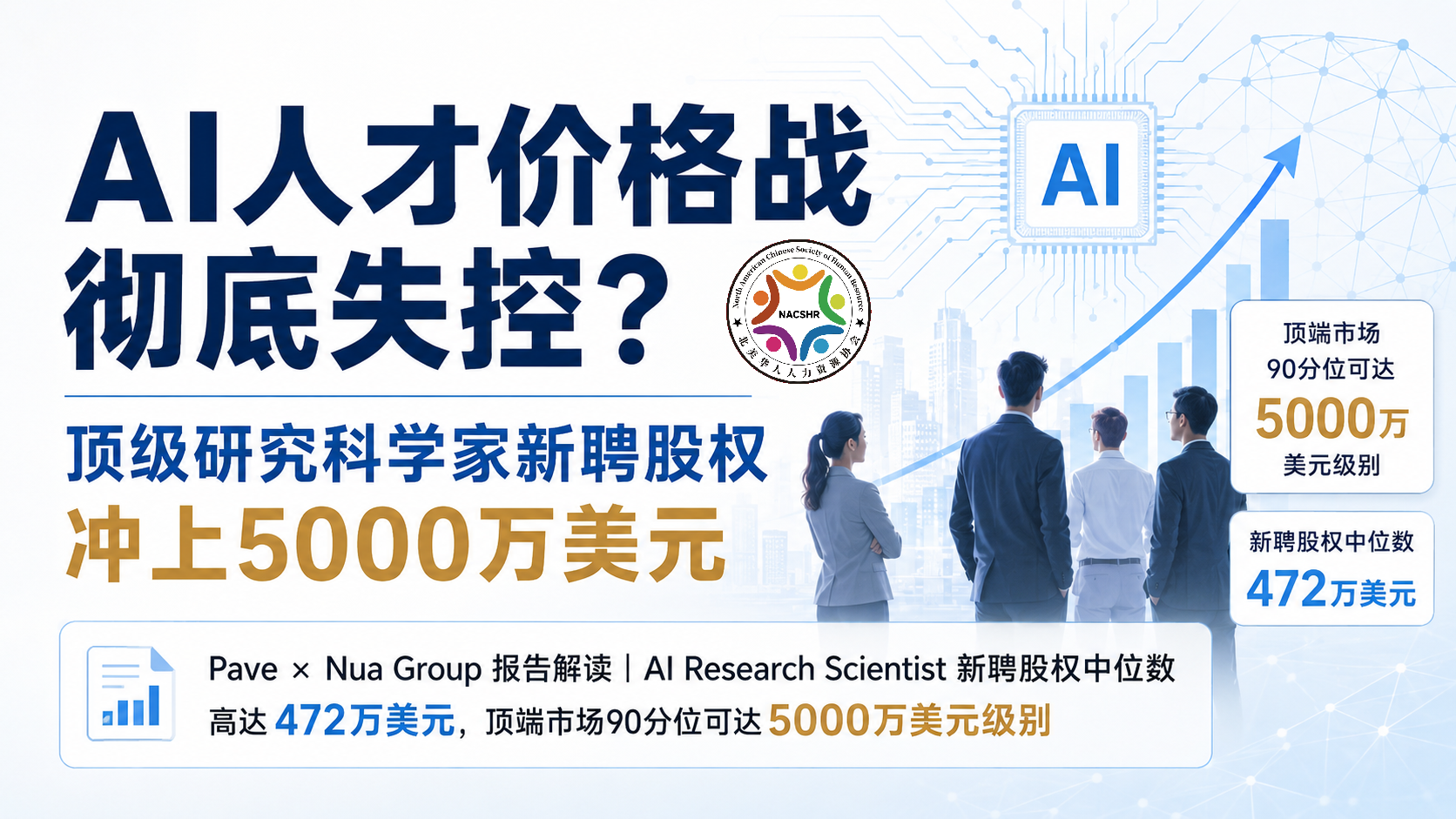
AI人才价格战彻底失控?顶级研究科学家新聘股权冲上5000万美元
NACSHR核心摘要:AI人才真正贵在哪里?可能不是工资,而是股权。Pave × Nua Group 最新报告显示,AI Research Scientist 新聘股权中位数最高已达 472万美元,部分湾区顶级公司的高级人才 P90 股权包甚至达到 4500万–6000万美元。更重要的是,AI Engineer、ML Engineer、Research Scientist 已经形成完全不同的人才市场。做招聘、薪酬和组织设计的HR值得看看这组数据。 当企业还在讨论“AI Engineer到底应该比普通软件工程师多付多少工资”时,AI人才市场本身已经发生了更深层次的变化。 Pave 与 Nua Group 最新发布的《The State of AI Talent: A Compensation & Workforce Report》基于 Pave 覆盖 9,000+ 家企业的实时薪酬数据库,对 15,000+ 名映射至AI和机器学习岗位的员工进行分析。Pave的数据通过企业 HRIS、ATS 和 Equity Management Systems 持续连接,并结合企业融资、规模和上市状态等信息进行分析。 从 NACSHR 的角度看,这份报告最值得关注的并不是“某些AI人才拿到了数千万美元股权”这样吸引眼球的数字,而是一个更重要的变化:AI人才正在从一个笼统的技术标签,演变成多个拥有不同岗位定义、人才供给、薪酬曲线和股权策略的独立人才市场。 AI人才已经不能再放在一个“AI Engineer”岗位里管理 过去几年,很多企业招聘AI人才时,常见做法是在 Software Engineer 基础上增加“AI”标签,然后适当提高薪酬。但 Pave 和 Nua Group 认为,这种方式已经越来越难以准确反映市场。 报告将技术人才从传统软件开发到前沿AI研究划分为五个连续层次:Software Engineer、AI-Capable SWE、AI Engineer、ML Engineer 和 AI Researcher。其中最容易产生混淆的是 Software Engineer 与 AI Engineer 之间的 AI-Capable SWE,这并不是一个已经高度标准化的独立岗位,因此在职位名称和 Level 判断上最容易产生混乱。 AI Engineer 与 ML Engineer 的差异则更加明确。AI Engineer 主要工作在 application layer,将现有模型和算法嵌入产品、API、基础设施和生产系统;ML Engineer 更靠近 model lifecycle,负责模型开发、优化、统计方法以及支撑模型运行的数据和工程管道。 实际人才结构也已经出现明显分层。在 Pave 数据库的AI/ML员工中,ML Engineering 占56.2%,AI Research Scientist占23.4%,AI Engineering占17.0%,Computer Vision Engineering占2.2%,MLOps Engineering占1.2%。 这意味着,对于企业HR而言,“我们要招聘AI人才”已经不是一个足够明确的人才需求。真正的问题应该是:企业究竟需要开发模型的人、优化模型的人,还是把模型转化为产品和业务能力的人? 基本工资并没有失控,真正拉开差距的是股权 AI人才薪酬市场最值得注意的一个现象,是基本工资和股权正在呈现完全不同的走势。 从 Base Salary 看,三个核心AI岗位族之间实际上相对接近。P6级别的中位基本工资中,ML Engineering为 $321K,AI Research Scientist为 $311K,AI Engineering为 $294K;到了M6管理级别,三者分别为 $347K、$340K和$304K。也就是说,在高级岗位上,ML Engineering的基本工资甚至高于AI Research Scientist。 真正出现巨大分化的是 Equity。 AI Research Scientist 的 P6 中位新聘股权达到 $4.09M,M6达到 $4.72M。相同P6级别,AI Engineering为 $1.48M,ML Engineering为 $1.60M;M6则分别约为 $1.12M和$2.02M。AI Research Scientist的股权价值已经超过另外两个岗位族两倍。 需要特别说明的是,这里的数字不是“年薪”。报告定义的是 New Hire Equity(Gross, Intended, Annualized),即新员工股权奖励的预期毛值年化价值。把“$4.72M”直接描述成“AI科学家年薪472万美元”是不准确的。 但这个数据仍然揭示了一个非常重要的趋势:企业争夺顶尖AI人才的主要竞争工具,正在从现金工资转向股权。 5000万美元级别的股权不是普遍行情,但顶端市场确实已经被重新定价 更加惊人的数字出现在报告第18页。 Pave针对一个非常具体的市场进行了筛选:AI Research Scientist、San Francisco Bay Area、私营企业、累计融资$1B–$5B+。在这个高度竞争的人才市场中,P6和M6级别90分位的新聘股权已经进入 $45M–$60M 区间,其中报告特别展示了 $51.4M 的90分位股权价值。 这个数字需要正确理解。 它不是“美国AI Research Scientist普遍可以拿5000万美元”,而是代表在旧金山湾区、融资规模达到数十亿美元、争夺最顶尖AI研究人才的少数私营科技企业中,企业为了赢得某个关键候选人,已经愿意突破传统薪酬体系的边界。 这也是为什么现在市场上不断出现顶级AI研究人员获得巨额 package 的新闻。这些案例不是普通市场价格,却已经成为顶端人才市场的真实价格信号。 人才越高级,AI Research Scientist的溢价越明显 另一个容易被忽略的问题,是三个AI岗位族本身的人才结构并不相同。 AI Engineering明显更加年轻,P1–P2初级人才占 23.97%;ML Engineering这一比例只有 9.13%,AI Research Scientist为 11.26%。相反,AI Research Scientist中P5–P6高级人才占比达到 22.76%,是三个岗位族中最高的。 这意味着AI Research Scientist薪酬更高并不仅仅是因为“Research Scientist”这个Title更值钱,而是因为这个岗位市场本身更集中于高级、稀缺并能够直接影响模型能力的专业人才。 而且股权差异随着Level提升迅速扩大。AI Research Scientist从P4开始明显拉开差距,到P6中位新聘股权达到 $4.09M,大约是其P1水平的20倍。 因此,对企业而言,AI人才成本真正危险的地方往往不是招聘一个普通AI Engineer,而是当业务突然决定需要一位能够改变产品、模型或技术路线的高级AI研究人才时,传统薪酬Band可能瞬间失去参考价值。 企业规模越大,AI岗位体系越开始专业化 AI人才的组织成熟度同样存在明显差异。 只有 12% 的1–99人企业拥有至少一名AI/ML人才,而在3,000人以上企业中,这一比例达到 91%。 管理体系的差距更加明显。在已经拥有AI/ML Individual Contributor的公司中,1–99人企业只有 17% 配备专门的AI/ML Manager,而3,000人以上企业达到 72%。很多中小企业的AI人才仍然由普通Engineering或Data Science负责人管理。 更值得关注的是大型企业正在快速拆分AI岗位。3,001人以上企业中,只拥有一种AI/ML Job Type的比例从2024年的 52.4%下降到2026年的19.0%;同期拥有三种及以上AI/ML Job Types的比例则从 14.3%提高到50.0%。 这反映出的不仅仅是招聘需求增长,而是 AI Job Architecture正在成熟。 过去企业可能只有一个“AI Team”,未来则会逐渐形成 Research、ML Engineering、AI Engineering、MLOps、Computer Vision等不同岗位体系,对应不同Level、Career Path、Compensation Band和Manager结构。 AI人才不仅贵,也更难留 企业面临的第二个挑战是Retention。 Pave数据显示,过去12个月AI/ML Individual Contributor的Turnover为 21.8%,而同一批企业Software Engineering为 16.8%;Manager层面,AI/ML为 22.6%,Software Engineering为 18.9%。报告中的Turnover同时包含主动和非主动离职。 这说明AI人才市场正在形成一个典型循环:外部市场价格快速上涨,新员工以更高价格进入,现有员工发现自己的市场价值变化,随后带来Retention、内部公平和薪酬压缩问题。 对于HR和Total Rewards团队而言,仅仅解决“Offer能不能发出去”已经不够,还需要同时考虑 New Hire Equity、Refresh Grant、Internal Equity以及关键人才Retention。 AI人才竞争仍然高度集中在美国,尤其是California AI人才市场的另一个现实是地域高度集中。 在Pave样本中,California集中了美国49.3%的AI/ML人才,其中大部分位于San Francisco Bay Area。 从全球看,美国拥有 57.3%的AI/ML人才,明显高于美国在全球Software Engineering人才中的44.8%占比。United Kingdom分别为6.3%和4.5%;India的情况正好相反,拥有全球13.2%的Software Engineering人才,却只有5.6%的AI/ML人才。 对于北美企业尤其是希望在湾区之外建立AI团队的公司,这意味着“Remote”并不会自动解决人才供给问题。真正成熟的AI人才池依然高度集中,地域竞争仍然会直接影响招聘周期和薪酬价格。 不是所有企业都应该和OpenAI式公司争夺Research Scientist Nua Group在报告最后提出了一个非常值得企业管理层关注的框架:Know Your AI Lane。 它把企业分成三种类型。 第一类是 AI Innovators。这类企业自己建设基础模型和核心AI基础设施,需要AI Research Scientist、ML Engineer和AI-Capable SWE。对于这类企业,现金薪酬可能直接脱离传统Band,而股权成为争夺核心人才的主要工具。 第二类是 AI Integrators。这类企业不是开发基础模型,而是把AI嵌入自己的产品中。核心岗位通常是AI Engineer,只有在需要深度模型定制时才大量使用ML Engineer,AI Research Scientist通常并不是必要岗位。 第三类是 AI Implementers。这类企业主要利用现有AI提高内部运营效率,往往需要AI Engineer和AI-Capable SWE,把现成模型接入企业流程和系统,而不是自己重新训练基础模型。 对应的薪酬策略也完全不同:AI Innovators往往需要突破标准薪酬Band,并使用大额新聘股权;AI Integrators可以采用标准薪酬Band加结构性AI Premium,并适度提高股权;AI Implementers则更多保持标准Band,只对少数关键岗位给予溢价和股权。 这可能是整份报告对大多数企业最有价值的提醒:不要因为AI很重要,就误以为每家公司都需要最昂贵的AI人才。 NACSHR观察:AI时代,HR首先要解决的不是“付多少钱”,而是“究竟在买什么能力” 过去企业面对人才短缺时,最常见的问题是:“市场P50是多少?我们需要付到P75还是P90?” AI正在改变这个逻辑。 企业首先需要完成Job Architecture:明确AI Engineer、ML Engineer和AI Research Scientist分别承担什么任务,什么情况下需要AI-Capable SWE,什么情况下才真正需要Research Scientist。岗位没有定义清楚,再精准的薪酬Benchmark也没有意义。 其次,HR需要把Cash和Equity作为两套不同的竞争机制管理。Pave的数据已经证明,Base Salary并不是顶级AI人才价格分化最大的部分,真正能够突破传统市场曲线的是Equity。 第三,AI人才Benchmark的更新速度必须高于传统岗位。报告最后建议Compensation Team把AI/ML Pay和Equity Band视为一个“moving target”,保持足够宽度,并比其他Engineering岗位更加频繁地重新审视。 最后,企业必须先回答一个战略问题:我们究竟是一家AI Innovator、AI Integrator,还是AI Implementer? 如果企业只是希望用AI改善客服、销售、HR、财务或内部运营,却按照顶级AI实验室的方式招聘Research Scientist,不仅会大幅增加人才成本,也可能出现“花了最贵的钱,却买错了能力”的情况。 AI人才市场正在进入新的阶段。下一轮企业之间真正的差距,不只是“谁愿意给更高的工资”,而是谁能够更准确地定义工作、识别关键能力、设计岗位体系,并把现金、股权和人才战略放在同一个框架中管理。 对于HR来说,这也意味着AI带来的变化已经从“如何招聘AI人才”,进一步进入了 Job Architecture、Compensation Design、Equity Strategy和Workforce Planning 的核心领域。 来源:Pave + Nua Group,《The State of AI Talent: A Compensation & Workforce Report》,2026年8月。
人工智能
2026年08月24日
人工智能
AI用得更多,却更加悲观:美国年轻劳动力对未来工作的态度正在逆转
美国年轻人正在出现一个值得HR关注的“AI悖论”:用AI最多的一批人,也正在成为最担心AI的一批人。Pew最新调查显示,30岁以下美国成年人中,55%对AI“担忧多于兴奋”,2021年只有31%;73%认为AI未来20年会减少美国工作岗位,2024年还是61%。但与此同时,18—29岁群体已有66%使用AI聊天机器人。 企业只培训员工怎么用ChatGPT、Copilot或Agent已经不够了。员工真正想知道的是:AI用了以后,我的岗位会怎么变?哪些任务消失?哪些能力变得更值钱?我的下一份工作在哪里?AI转型的下一站,可能不是工具,而是工作设计、职业路径与员工信任。 美国年轻人对人工智能的态度正在发生明显变化。 Pew Research Center最新调查显示,在18—29岁的美国成年人中,55%表示自己对AI“担忧多于兴奋”,这一比例在2021年仅为31%;与此同时,73%的年轻人认为,未来20年AI将导致美国工作岗位减少,高于2024年的61%。 值得注意的是,这并不是因为年轻人不会使用AI。另一项Pew调查显示,18—29岁美国成年人中已有66%使用AI聊天机器人。换句话说,最熟悉AI、使用AI最积极的一代,同时也正在成为越来越担心AI影响职业未来的一代。 AI使用率提高,不代表员工更加相信AI 过去两年,很多企业衡量AI转型时,重点关注员工是否使用ChatGPT、Copilot或各类AI Agent,以及AI培训覆盖率、使用频率和效率提升。 但新的问题正在出现:员工可能越来越会使用AI,却并不意味着他们对自己的职业未来更加乐观。 对于刚进入职场的年轻员工而言,这种焦虑尤其容易理解。当企业不断强调“AI可以让一个人完成过去三个人的工作”“AI Agent能够替代大量重复性任务”时,员工自然会进一步追问:减少的岗位究竟是谁?入门级工作是否还会存在?我的职业发展路径在哪里? 因此,AI Adoption并不等于AI Acceptance。企业如果只推动工具落地,却不解释岗位和职业路径的变化,AI越强大,员工的不确定感反而可能越强。 HR需要开始回答“工作将如何改变” 对于企业HR而言,下一阶段AI转型的重点不能只是继续增加AI培训课程,而需要进入更深层次的工作设计。 企业需要逐步讲清楚:哪些任务未来会被AI自动化,哪些工作将由“人+AI”共同完成,哪些能力会因为AI变得更加重要,以及员工应该如何完成能力升级。 尤其是在招聘、绩效、人才管理甚至组织调整开始越来越多使用AI之后,透明度和沟通机制会变得更加重要。如果员工无法理解AI如何参与企业决策,AI很容易从生产力工具变成新的“管理黑箱”。 年轻人的AI焦虑,本质上也是职业安全感问题 目前的数据并不能证明AI已经造成美国大规模直接裁员。Gallup的2026年调查中,在近期因裁员失去工作的受访者里,只有约1%明确将AI或自动化视为主要原因。 但这恰恰说明了另一个值得企业关注的问题:AI对现实岗位的影响,与员工对未来岗位的担忧之间正在形成明显的预期差。 企业不能简单告诉员工“AI不会取代你”,更有效的方式是告诉员工:你的哪些工作会改变,公司准备如何帮助你完成能力迁移,以及新的职业机会在哪里。 从NACSHR的角度来看,未来企业AI转型真正考验的,不只是技术部署能力,而是组织能否重新建立员工对未来工作的信心。 AI时代优秀的企业,不应该只是拥有更多AI工具,而应该让员工清楚看到:AI改变工作的同时,自己仍然拥有清晰的成长路径和新的价值空间。 来源:Pew Research Center、Gallup,2026年相关调查。
人工智能
2026年08月19日
人工智能
当AI不断取代各种职位的时候,HR岗位反而增长约6%,为什么?!
NACSHR核心摘要:AI大规模进入企业之后,HR会不会成为最先消失的部门?Josh Bersin最新分析给出了完全不同的答案。基于Lightcast职位数据,过去约20年HR相关岗位年复合增长约1.2%,而AI发展最迅速的最近24个月,HR岗位反而增长约6%。真正减少的,是HR Assistant、Recruiting Coordinator、Training Administrator等行政和流程型工作;增加价值的,则是HRBP、招聘判断、People Analytics、复杂员工服务和工作设计。美国BLS也预计,2024–2034年全部职业增长约3%,HR Specialists增长6%,L&D Specialists增长11%。 所以AI没有让HR消失,而是在重新划分HR工作的价值:流程被AI接管,人必须向判断、咨询、数据和业务问题上移。你觉得呢 过去两年,几乎所有关于AI与人力资源的讨论,最后都会落到一个问题:当AI能够筛选简历、回答员工问题、生成培训内容、分析人才数据,甚至开始参与绩效管理和组织决策之后,企业还需要这么多HR吗? 从直觉上看,HR似乎应该成为最先被AI压缩的职能之一。但Josh Bersin最近的一组观察,给出了一个看起来有些反常的答案:AI投入越来越多,美国HR岗位不仅没有明显消失,最近24个月反而增长约6%。 这并不意味着AI没有影响HR。恰恰相反,真正发生的变化可能比“裁掉多少HR”更深刻——AI正在重新定义什么样的HR工作值得由人来完成。 HR岗位没有消失,但HR内部的工作正在重新分配 Josh Bersin引用Lightcast招聘数据指出,过去约20年,HR相关职位保持约1.2%的年复合增长;而在生成式AI快速普及的最近24个月,HR岗位增长反而达到约6%。 这与很多人此前的预期完全不同。 过去企业部署HR系统,往往意味着流程自动化;今天部署生成式AI和Agent,更进一步意味着大量知识型、事务型工作也可以被机器处理。因此,一个自然的推论是:HR部门应该需要更少的人。 但Bersin观察到,企业真正做的并不是简单“删除HR岗位”,而是在重新组合工作。 HR Assistant、Recruiting Coordinator、Training Administrator等大量依赖流程、协调和信息处理的角色,确实正在受到自动化影响。但与此同时,企业对员工关系、人才判断、组织设计、技能发展、领导力、数据分析以及业务咨询等能力的需求并没有减少。 所以真正消失的,往往不是整个Job,而是Job里面的一部分Tasks。这可能是理解AI与就业关系最重要的区别之一。 AI首先淘汰的是任务,而不是职业名称 传统讨论经常把问题简化成:“AI会不会取代HR?”,但企业实际上并不是按照职位名称决定哪些工作交给AI。 AI不会首先判断:“这个人是HR,所以我要取代他。” AI取代的是更具体的任务:整理信息、回答标准问题、安排会议、生成文档、总结数据、制作初步报告、匹配简历、生成培训材料。 一个HR岗位可能包含20项不同工作,其中10项可以被AI明显加速,5项可以部分自动化,而另外5项仍然需要人的判断。 于是企业面临的并不是简单的“要不要这个岗位”,而是:剩下来的时间,HR应该拿来做什么? 如果AI让一名招聘人员减少大量简历筛选和面试安排工作,那么他的价值就必须转向人才判断、Candidate Experience、Hiring Manager咨询以及复杂人才市场分析。 如果AI可以自动回答大量福利和政策问题,那么员工服务团队就必须把更多精力放到复杂员工关系、特殊案例和管理者支持。 如果AI可以迅速生成培训课程,那么L&D真正的价值就不再是“制作多少门课”,而是判断企业需要什么能力,以及如何真正推动员工能力改变。 这其实是一场HR工作的价值迁移。 事务型HR正在减少,但专业型HR正在变得更重要 Josh Bersin说传统HR行政和流程型工作可能仍然占到HR岗位的30%—40%。这部分恰恰也是AI最容易产生效率提升的地方。 例如,在Walmart、Standard Chartered等企业,大量基础员工服务、Onboarding和Benefits问答可以通过技术处理,HR人员则可以转向更加复杂的员工绩效、家庭需求和员工关系问题。 在Travelers、Polestar等企业,L&D团队过去可能需要数周甚至数月开发一门课程,现在可以借助AI快速生成视频、Simulation和即时学习支持。 在招聘领域,排期、沟通和初步筛选越来越自动化,但企业同时越来越重视候选人真实性、人才质量、面试判断和面对面互动。 People Analytics同样如此。过去大量时间消耗在Survey、Benchmark和报表制作上,现在HR分析人员必须更直接地回答业务问题:为什么关键人才离职?哪些团队的生产力正在下降?AI正在如何改变岗位技能?企业应该重新配置哪些人才? 所以我们看到的不是HR价值下降,而是低价值HR工作被不断剥离之后,剩余HR工作的价值门槛正在提高。 HRBP可能是这一轮变化最典型的岗位 Josh Bersin特别提到Panasonic、Accenture等企业正在重新定义HRBP。过去很多企业所谓的HRBP,实际上仍然承担大量流程协调、政策解释、员工事务和内部资源对接工作。 AI和HR平台逐渐接管这些基础任务之后,一个真正的HRBP应该越来越像内部管理顾问。 他必须理解业务战略、组织能力、领导团队、人才结构和成本效率,并能够和业务负责人一起回答: 我们为什么招不到这些人才? 哪些岗位应该被AI重新设计? 哪些团队应该增加Headcount,哪些应该减少? 未来两年真正需要什么技能? 组织架构是否仍然适合当前业务? 这类工作并不会因为AI而减少。 相反,企业拥有越多AI工具,管理者面对的组织问题反而可能越复杂。 这也是为什么AI时代一个看似矛盾的现象开始出现:企业越来越自动化,但同时越来越需要能够处理复杂人才和组织问题的人。 AI提高效率,并不必然意味着Headcount同比例下降 这也是Bersin这篇文章最值得企业管理者思考的地方。很多AI商业案例仍然采用一个非常传统的ROI公式: “这套AI工具可以节省多少人工时间,因此可以减少多少人。” 但这种计算方式忽略了一个重要事实。知识工作与流水线生产并不完全一样。 如果AI让HR节省30%的时间,企业不一定会马上减少30%的HR人员。 企业可能选择让HR处理更多复杂问题,提高服务质量,加快招聘,提高管理者效率,推动技能转型,或者承担过去没有能力开展的组织项目。 换句话说:Productivity Gain并不自动等于Headcount Reduction。 它也可能意味着Capability Expansion。 这也是为什么我们会看到AI使用快速增长的同时,部分知识型职业仍然保持就业增长。 技术减少了一部分工作,但同时提高了组织能够解决问题的上限。 对HR而言,真正值得担心的不是岗位消失,而是价值停留在流程层 从NACSHR的角度看,Josh Bersin的观察并不能简单理解为“HR是安全的”。 恰恰相反。 它释放出的职业信号其实非常明确。 如果一个HR的核心价值仍然来自录入数据、安排面试、整理报表、回答标准问题、制作培训材料或者执行固定流程,那么AI对这个岗位的冲击几乎是确定的。 真正有增长空间的,是那些能够把AI转化成更高业务价值的人。 未来HR越来越需要理解业务、判断人才、设计组织、处理复杂员工问题、推动领导力发展、进行Workforce Planning,并重新设计Human + AI共同工作的方式。 换句话说,未来企业衡量HR价值的方式可能会发生变化。 过去是:你完成了多少HR流程? 未来可能是: 你帮助组织解决了什么问题? HR不会消失,但“只会做HR流程”的HR正在失去保护层 “HR岗位最近24个月增长约6%”是一个很容易传播的数据。 但如果只记住这个数字,反而会错过这篇文章真正重要的部分。 Josh Bersin真正描述的并不是“AI无法取代HR”。 而是一个更复杂的现实: AI正在大量取代HR工作中的低复杂度任务,同时把HR推向更复杂、更专业、更接近业务的位置。 Job还存在,但Tasks已经变化。 岗位数量可能增长,但岗位要求也在提高。 HR团队仍然存在,但每一个HR需要创造的价值正在重新被定义。 因此,AI时代真正的问题已经不再是:“未来企业还需不需要HR?” 而是:“当AI可以完成大量传统HR工作之后,企业为什么还需要你?” 能够回答这个问题的人,可能不仅不会被AI淘汰,反而会进入一个价值更高的HR时代。 NACSHR认为,这才是“HR岗位仍在增长”这组数据背后,真正值得全球HR专业人士关注的信号。
人工智能
2026年08月13日
人工智能
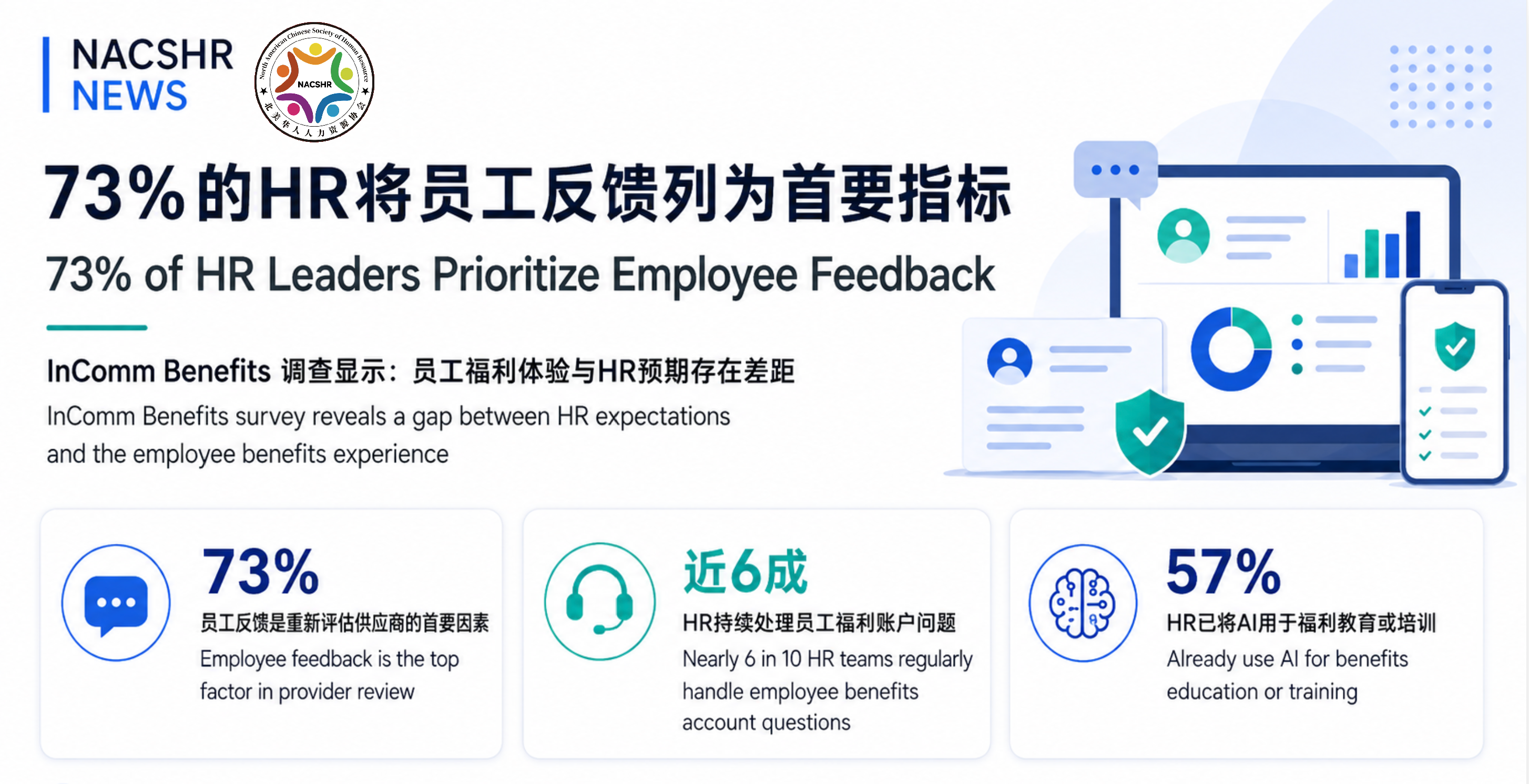
73%的美国HR将员工反馈列为首要指标:企业福利正在从“提供账户”转向“员工真正会用”
NACSHR核心解读:这项调查覆盖300多名负责HSA及福利支出账户的HR专业人士。73%的受访者表示,员工反馈是重新评估福利供应商时最重要的因素。接近六成HR会收到员工关于合资格消费、报销申请、账户使用、截止日期和结转规则的问题。55%的HR希望获得更灵活的福利选项,52%希望供应商提供更简单的员工教育和更好的技术。虽然57%的HR已经在福利培训中使用AI,但很多员工仍然缺乏实际使用账户的信心。 这说明,福利科技的竞争已经从后台账户管理转向员工体验。供应商不仅要管理资金和合规,还要帮助员工在正确时间理解规则、完成操作,并减少HR承担的重复支持工作。 企业为员工提供健康储蓄账户、弹性支出账户和其他福利项目,并不代表员工能够真正理解和使用这些福利。 InComm Benefits近期发布的《The Spending Account Experience Gap》调查显示,北美企业HR对福利供应商的期待,与员工在实际使用福利账户时的体验之间,仍然存在明显差距。调查于2026年4月开展,覆盖300多名负责管理健康储蓄账户及其他福利支出账户的HR专业人士。 报告反映出的核心问题并不是企业没有提供福利,而是福利规则、技术平台和员工教育没有真正转化为简单、清晰、可操作的员工体验。 73%的HR将员工反馈作为重新评估供应商的首要因素 调查显示,73%的受访HR表示,在重新评估福利支出账户供应商时,员工反馈是最重要的考虑因素。“员工体验”也成为HR对现有福利账户供应商最主要的不满之一。 过去,企业评估健康储蓄账户和福利支出账户供应商时,通常更加关注管理费用、系统功能、投资选项、合规能力以及与薪酬或人力资源系统的集成。 但对员工而言,他们最直接的判断标准通常更加具体:账户是否容易使用,报销流程是否清晰,余额和处理状态能否随时查询,遇到问题时能否快速获得准确答复。 这意味着,福利供应商的竞争重点正在发生变化。账户管理和合规能力仍然是基础,但员工实际使用体验正在成为影响企业续约、更换供应商和福利满意度的重要因素。 近六成HR持续处理员工的账户使用问题 调查显示,接近六成受访HR会收到员工关于福利支出账户的问题或担忧。 员工最常提出的问题包括:哪些商品或服务属于符合资格的支出,如何提交报销申请,账户应该如何使用,报销或消费有哪些截止日期,以及未使用余额是否可以结转。 这些问题看起来基础,却会持续占用HR团队的时间。员工遇到不确定情况时,通常不会仔细阅读篇幅较长的福利手册或计划文件,而是直接向HR寻求帮助。 因此,企业即使已经购买了数字化福利管理平台,HR仍然可能成为事实上的福利客服中心。 对于北美企业HR而言,这一问题尤其值得重视。HR团队通常还需要同时负责招聘、入职、薪酬、绩效、员工关系、劳动合规和保险管理。如果大量时间被用于重复回答账户余额、消费资格和报销状态等问题,福利技术就没有真正实现降低行政负担的目标。 员工不是不关心福利,而是不确定如何使用 报告提出了一个值得企业重新思考的问题:员工使用福利的积极性不足,不一定代表员工不重视福利,也可能是员工不知道应该如何使用。 HSA、FSA及其他福利支出账户往往涉及税务规则、合资格支出、收据要求、年度选择、使用期限和余额结转。对于HR和福利专业人士而言,这些概念相对熟悉,但对普通员工而言,理解和操作门槛并不低。 如果员工无法确定一项医疗费用是否符合报销条件,担心操作错误,或者不了解资金的使用期限,他们可能会选择暂时不使用账户,甚至放弃原本可以获得的福利价值。 由此产生的结果是,企业投入了福利预算,员工却没有充分使用;HR不断回答问题,员工仍然认为福利复杂;企业认为已经提供了有竞争力的福利,员工却没有形成相应的价值感知。 灵活性、教育和技术成为三项主要改善方向 调查显示,55%的受访HR认为,更灵活的福利选项有助于改善员工体验;52%的受访者认为,企业和供应商需要提供更加简单的福利教育;另有52%认为,需要通过更好的技术工具改善员工体验。 这三个方向说明,改善福利体验不能只依靠增加预算或者增加更多账户类型。 福利灵活性需要建立在员工能够理解和选择的基础上。过多选项如果缺乏清晰解释,反而可能增加员工的决策负担。 福利教育也不能只集中在Open Enrollment期间。员工在年度注册阶段可能理解了账户的基本概念,但几个月后真正发生医疗支出时,往往已经忘记具体规则。 更有效的方法,是在员工需要采取行动的时间节点提供支持,例如在发生合资格消费时提供提示,在报销申请被拒绝时说明原因,在余额即将到期时提前提醒,并通过移动端或自助服务平台让员工快速找到答案。 技术的价值也不应只体现在后台效率,而应体现在是否能够减少员工操作步骤、降低错误率,并减少HR需要人工介入的次数。 57%的HR已经使用AI开展福利教育 报告显示,55%的受访HR对在人力资源部门使用AI工具持积极态度,57%的受访者已经在福利教育或培训中使用AI。 AI正在逐渐进入福利问答、员工沟通、培训材料制作和自助服务等场景,但调查结果也说明,仅仅部署AI工具,并不会自动解决员工福利体验问题。 如果AI只是将复杂的福利手册转换成聊天问答,员工仍然可能获得笼统、难以执行的回答。真正有价值的福利AI,应当能够结合员工所在的福利计划、账户类型、账户状态和实际问题,提供更加具体的操作指引。 与此同时,福利管理涉及医疗、税务和个人信息。企业在引入AI工具时,还需要关注数据隐私、答案准确性、计划文件优先级,以及复杂问题转交人工支持的机制。 AI可以帮助HR减少重复性咨询,但不能替代正式的福利计划文件、专业保险顾问和必要的人工判断。 北美HR应重新审视福利供应商的评估指标 这份报告对北美HR最直接的启示,是福利供应商的评估标准需要从传统的功能清单,进一步延伸至员工实际体验。 企业在下一次评估或续约福利账户供应商时,可以重点考察员工问题首次解决率、客服响应时间、报销处理周期、自助服务完成率、账户实际使用率、未使用余额情况、员工满意度,以及HR每月处理福利问题所投入的时间。 企业也可以定期收集员工反馈,了解员工在哪些环节最容易遇到困难。员工不使用某项福利,可能是因为福利本身缺乏吸引力,也可能只是因为操作复杂、说明不清或缺少及时提醒。 对于企业而言,真正有效的福利方案,不只是完成账户开设和年度注册,而是让员工清楚地知道自己拥有什么福利、何时可以使用、如何使用,以及遇到问题时可以向谁寻求帮助。 当员工能够独立、顺畅地使用福利时,企业的福利投入才能真正转化为员工满意度、留任能力和雇主品牌价值。 NACSHR保险服务:协助企业重新评估员工福利与商业保险方案 对于正在规划、续保或重新评估员工福利方案的北美企业,NACSHR保险服务可协助企业了解员工健康保险及相关保险需求,包括Medical、Dental、Vision等员工福利,以及Workers’ Compensation和企业商业保险方案。 NACSHR建议企业在续保或计划生效前提前启动评估,不仅比较保费和保险计划,也应综合考察员工实际需求、使用体验、企业预算、保险网络、福利沟通及后续服务能力。 企业HR或管理者如需了解员工福利保险及商业保险方案,可访问NACSHR保险服务网站:insurance.nacshr.org。
人工智能
2026年08月05日
人工智能
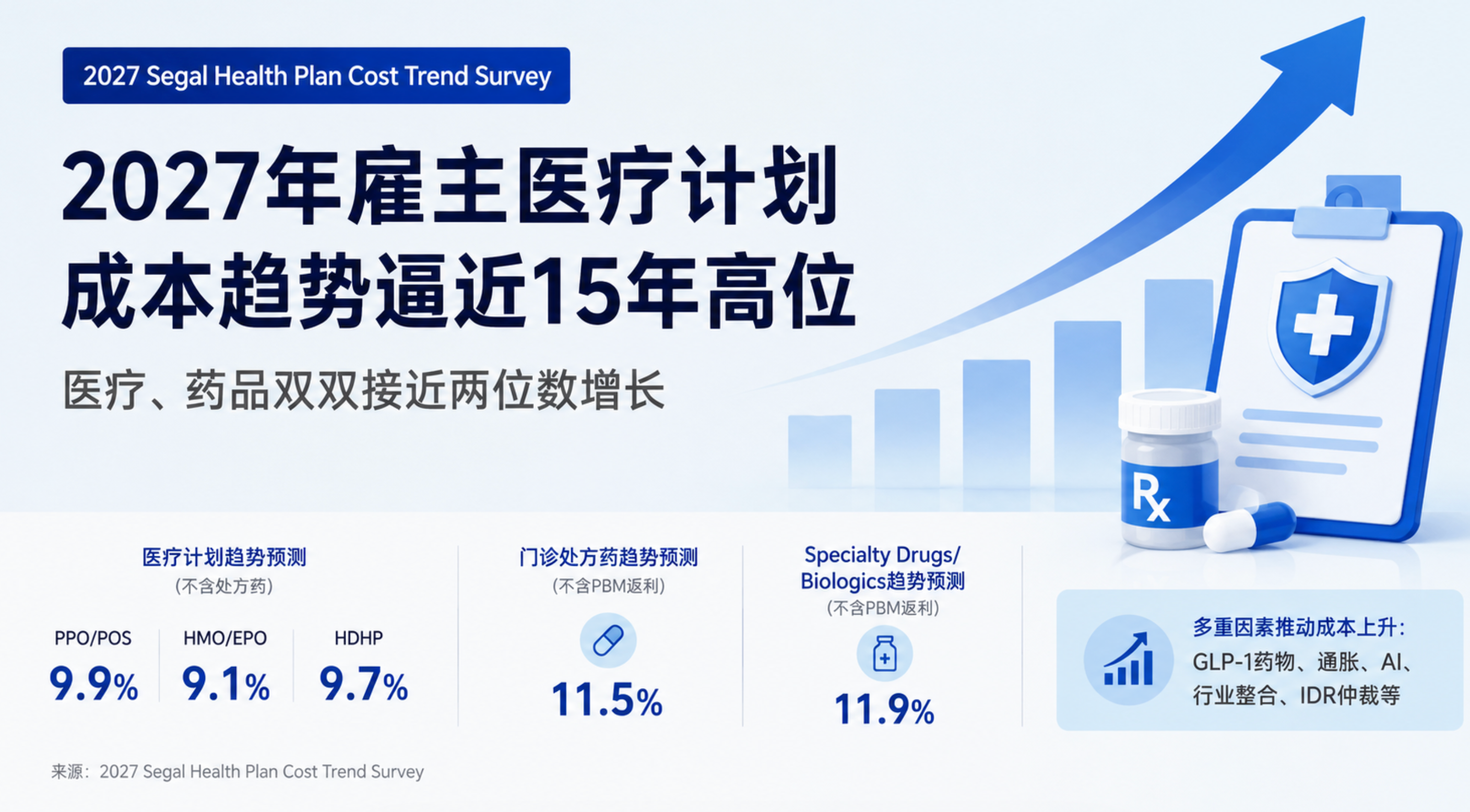
2027年美国雇主医疗成本逼近15年高位:企业需要重新审视员工健康福利策略
核心摘要:美国雇主医疗福利成本可能再次大幅上涨。Segal发布的2027 Health Plan Cost Trend Survey预计,医疗计划成本趋势中位数将达到9.9%,逼近15年高位,处方药成本预计增长11.5%。GLP-1抗肥胖药物、高价专科药、医疗机构整合和通胀仍是主要推手,但报告还指出两个容易被忽略的因素:AI提升医疗编码强度,约占住院成本增长的20%;No Surprises Act争议仲裁中,医疗服务提供者约88%的案件胜诉,自2022年以来估计增加约50亿美元系统成本。对企业HR而言,仅靠提高员工自付比例已难以解决问题。窄网络、直接签约、透明PBM合同、就医场所引导和持续理赔分析,将成为2027年福利成本管理的核心工具。医疗福利正在从年度续保工作,转变为一项长期的数据与供应商治理能力。 美国雇主医疗福利正在进入新一轮高成本周期。 Segal发布的《2027 Segal Health Plan Cost Trend Survey》显示,2027年美国雇主赞助医疗计划的成本趋势预计继续接近两位数。其中,PPO/POS计划预计增长9.9%,HMO/EPO计划预计增长9.1%,高免赔额健康计划HDHP预计增长9.7%;门诊处方药成本趋势预计达到11.5%,门诊Specialty Drugs/Biologics预计达到11.9%。这是医疗和处方药成本预测接近15年来最高水平的一年。 对于美国企业,尤其是正处于团队扩张、跨州招聘或美国业务快速发展阶段的华人企业而言,这并不仅意味着下一次保险续保可能更贵。更重要的是,医疗福利成本正在从一个年度采购问题,演变为涉及预算、人才竞争、员工体验、药品管理和供应商治理的长期经营问题。 医疗成本趋势接近10%,但不等于保费一定上涨10% 首先需要区分“health plan cost trend”和企业最终收到的续保涨幅。 Segal将健康计划成本趋势定义为人均允许理赔成本的变化,即符合保险条件的医疗收费扣除医疗网络折扣后的金额。趋势预测是保险公司、承保人员和精算师测算未来医疗成本的重要依据,但不等同于一家企业最终的保费涨幅。 企业实际续保结果还会受到员工年龄结构、家庭参保比例、所在地区、历史理赔、高额索赔、计划设计、保险公司管理费用、员工缴费比例和供应商合同谈判等因素影响。对于自保计划,趋势会更直接地反映在企业承担的理赔成本中;对于全保险计划,保险公司还会结合企业自身经验和市场费率确定最终报价。 因此,9.9%不应被简单理解为“所有企业的医疗保险都会上涨9.9%”,但它明确反映出整个市场的承保和定价环境仍然承受较大压力。 医院价格与门诊利用率同时上升 本轮医疗成本上涨并不是由单一因素造成的。 Segal发现,医院服务成本主要由价格通胀推动。医院端价格因素对趋势的贡献达到6.7%,利用率因素贡献3.5%。工资上涨、临床人员短缺、药品和医疗用品成本、医院整合以及运营效率问题,都在持续抬高每次住院和门诊服务的价格。 医院劳动力成本约占其总成本的60%。随着临床人员短缺持续存在,医院需要支付更高工资,同时患者病情复杂度和临床严重程度上升,也意味着每次住院需要投入更多人员、监测和专业护理资源。 医生服务则呈现不同特征。医生服务的价格因素贡献约2.4%,利用率因素贡献约4.0%。行为健康需求、人口老龄化、慢性病增加以及患者病情复杂程度上升,都在推动医生、门诊和后续诊疗服务使用量增加。 这意味着企业仅通过与保险公司重新谈判费率,很难完全解决成本问题。医疗机构本身的价格上涨和员工使用医疗服务数量的增加,正在同时推动计划成本上升。 AI既可能提升效率,也可能推高医疗账单 人工智能正在成为美国医疗成本结构中的一个新变量。 医疗机构越来越多地使用AI进行医疗记录、诊断编码和revenue-cycle management。更精细的documentation和coding可以帮助医疗机构完整记录患者的诊断和并发症,但也可能在患者实际接受的治疗没有明显变化时,提高账单中的病情复杂度和报销金额。 报告援引相关研究指出,在住院成本整体增长9%的情况下,约20%的成本增长由coding intensity推动,而不是来自患者接受了更多医疗服务。 这并不意味着AI本身必然增加医疗成本。AI同样可以被保险计划和雇主用于payment integrity、欺诈检测、理赔审核、异常编码识别和员工医疗导航。真正的问题是,AI究竟被用于改善临床结果和减少浪费,还是主要被用于提高医疗机构的收入获取能力。 对于雇主和HR而言,未来评估医疗福利供应商时,不能只关注其是否使用AI,还需要进一步了解AI具体解决什么问题、节省如何计算、是否提供可验证的数据,以及节省是否真正回到企业和员工。 GLP-1正在重塑企业处方药预算 处方药是2027年健康福利成本中压力最明显的部分。 Segal预计,2027年门诊处方药趋势将达到11.5%,Specialty Drugs/Biologics趋势达到11.9%。报告指出,药品组合变化是推动处方药成本上涨的首要原因。越来越多高价、单一来源的新药和专科药进入市场,并被用于癌症、免疫性疾病、罕见病、细胞与基因治疗以及慢性病管理。 GLP-1类药物尤其值得企业关注。这类药物已经从糖尿病治疗扩展到肥胖、心血管风险、睡眠呼吸暂停等适应症,未来还可能用于更多疾病。适用人群扩大、治疗周期延长以及员工需求上升,使GLP-1成为药品支出增长的重要来源。 Segal的SHAPE数据表明,2025年覆盖抗肥胖GLP-1药物的计划,处方药成本趋势达到18.3%,其中8.8个百分点来自GLP-1;不覆盖抗肥胖GLP-1、主要覆盖糖尿病用途的计划,处方药趋势为10.5%,其中1.2个百分点来自GLP-1。 两类计划之间存在7.8个百分点的差距。这个数据说明,是否覆盖GLP-1并不是简单的“覆盖”或“不覆盖”问题,覆盖条件、BMI标准、prior authorization、step therapy、持续用药要求以及生活方式管理项目,都会直接影响企业最终成本。 对于HR而言,完全排除抗肥胖药物可能影响员工体验和健康公平性;无限制覆盖则可能给企业预算带来难以持续的压力。更加可行的做法是结合企业规模、员工需求、预算能力和临床标准设计有条件的覆盖方案。 No Surprises Act仲裁正在形成新的系统性成本 No Surprises Act原本旨在减少员工遭遇意外医疗账单的风险,但其Independent Dispute Resolution仲裁机制正在产生新的成本压力。 报告指出,医疗服务提供方在相关争议中的胜诉率达到88%,部分仲裁结果的支付金额是正常网络内费率的3至4倍。自2022年以来,IDR机制估计已经为医疗系统增加约50亿美元成本,包括更高的医疗服务支付和行政处理费用。 更值得注意的是,IDR还可能影响网络内合同谈判。当医疗服务提供方认为通过退出网络并进入仲裁可以获得更高支付时,其与保险公司谈判网络价格的能力也会增强。最终,这些成本会通过保险费率和自保理赔成本传导给企业和员工。 新药而非旧药涨价,正在成为处方药成本的主要来源 完整报告中的实际理赔数据进一步说明了药品成本结构的变化。 Segal数据显示,2025年实际处方药趋势达到12.4%,高于2024年的10.4%。过去五年内上市的新药贡献了7.0个百分点,占2025年处方药成本趋势的接近60%。 这意味着当前药品支出增长并不只是现有药物价格上涨,而是越来越多价格更高的新治疗方案快速进入市场,并在临床中被更早、更广泛地使用。 皮肤疾病、偏头痛和银屑病等治疗领域的药品成本增长也十分明显。生物制剂和靶向药物在多个适应症中扩大使用,使企业药品预算面临更加分散、更加复杂的成本来源。 对企业而言,仅依靠PBM提供的总体折扣或返利数字,已经不足以判断药品计划是否具有成本竞争力。HR和财务团队需要进一步分析药品组合、专科药渠道、formulary、biosimilar采用率、prior authorization规则以及PBM关联机构的费用结构。 PBM返利不能代表企业真正节省了成本 Segal报告中的11.5%处方药趋势是在PBM rebates之前计算的。在提供相关数据的受访机构中,返利中位数约占2027年预计处方药allowed costs的30%。 较高返利看似可以抵消一部分药品成本,但企业不能只以返利金额判断PBM合同价值。部分高返利药物同时具有较高的标价,PBM也可能通过管理费、专科药房收费、临床项目收费和关联公司安排获得其他收入。 因此,企业需要从“返利最大化”转向“净成本最小化”,重点审查: PBM是否100%传递制造商返利;企业是否拥有完整审计权;专科药是否被导向PBM关联药房;合同中的spread pricing、administrative fees和clinical program fees是否透明;低WAC biosimilars是否获得合理的formulary位置。 真正重要的不是PBM承诺返还多少资金,而是企业支付的最终净药品成本是否具有竞争力。 企业健康福利需要从年度续保转向全年管理 Segal调查显示,采用多种成本管理策略的企业,其计划成本趋势通常低于相对被动的计划发起人。 医疗福利方面,企业正在重点采用digital health solutions、高额理赔人员管理、AI理赔与支付审核、窄网络以及site-of-care steerage。药品福利方面,主要策略包括GLP-1管理、专科药管理、biosimilar策略、prior authorization、step therapy和custom formulary。 企业可以从以下几个方向入手。 第一,提前启动续保准备。不要等到保险公司正式提供续保报价后才开始比较。企业应提前90至120天整理员工人口、参保结构、计划使用率、重大理赔和员工反馈。 第二,重新评估计划设计。不同免赔额、copay、coinsurance、HSA和员工缴费结构,会影响企业成本和员工实际负担。降低企业保费不应简单等同于提高员工自付。 第三,审查网络和就医场景。通过Centers of Excellence、窄网络和site-of-care steerage,将适合的手术、输液和检查转移至ASC、独立门诊或居家场景。 第四,建立GLP-1和专科药管理规则。覆盖政策应包括临床资格、prior authorization、持续治疗标准和用药效果评估。 第五,审查PBM及保险供应商合同。企业需要关注总净成本、数据访问权、审计权、费用定义和绩效保证,而不只是表面上的折扣和返利。 对在美华人企业而言,保险策略需要更早进入经营规划 许多在美华人企业在发展初期,会把员工健康保险视为招聘完成之后再处理的行政事项。但随着团队人数增加、跨州招聘、员工家庭参保和管理层福利需求变化,健康保险会迅速成为一项重要经营成本。 特别是进入续保阶段后,企业可能同时面临保费上涨、员工对福利升级的要求、不同州网络覆盖差异,以及财务预算压力。此时,仅比较不同保险公司的一张报价表,通常不足以支持决策。 NACSHR长期关注北美华人企业的人力资源管理、员工福利和用工实践。基于企业在实际运营中遇到的需求,NACSHR也在持续完善保险与员工福利相关服务,希望帮助企业更系统地评估健康保险方案,而不是只在续保最后阶段被动接受涨价。 NACSHR保险服务可围绕企业员工健康福利需求,协助企业进行现有计划review、续保报价比较、员工与家庭参保结构分析、计划设计评估,以及医疗、牙科、视力等福利方案的综合讨论。对于团队扩张或首次建立员工福利的企业,也可以结合员工人数、所在地、预算和招聘需求,梳理适合的保险实施路径。 保险产品最终是否适合一家企业,取决于企业所在地、员工人数、参保条件、保险公司承保要求和具体保单条款。任何方案都不应只依据市场平均趋势作出决定,而应建立在企业自身数据和实际需求之上。 最后的话 2027年的美国雇主医疗福利市场,正在同时受到医院价格、医疗服务利用率、GLP-1、高价新药、AI编码、行业整合和仲裁机制的推动。 对企业而言,真正的挑战并不是一次9%或10%的续保涨幅,而是医疗成本可能长期保持在较高水平。健康福利管理也因此不能继续停留在“每年比较一次报价”的阶段。 未来更有效的福利策略,需要HR、财务、管理层、保险顾问和供应商共同参与,通过数据分析、计划设计、药品管理、合同治理和员工沟通,在成本可持续性与人才吸引力之间建立新的平衡。 NACSHR将继续关注美国员工福利市场变化,为华人企业和HR专业人士提供更贴近实际经营场景的趋势解读、专业交流与保险服务支持。 有员工健康保险续保、首次建保或计划review需求的企业,可与NACSHR联系 ( https://insurance.nacshr.org/ ),提前评估现有福利结构与2027年成本风险。 本文根据《2027 Segal Health Plan Cost Trend Survey》整理,内容仅用于行业信息交流,不构成法律、税务、保险或投资建议。具体保险方案及承保条件以保险公司、保单文件和适用法规为准。
人工智能
2026年07月27日
1
2
3
》
订阅NACSHR周报
HR Jobs
Seyond is hiring HR Generalist & Office Administrator in Sun
2026年09月06日
外企德科(FESCO Adecco)寻找 Part Time 猎头合伙人 合作性质:纯佣金远程兼职,非全职雇佣,Fr
2026年08月10日
Sales Assistant/Warehouse Assistant(销售支持) About Us When we
2026年07月24日
您好,我是 HiTHIUM(海辰储能) HR Kristina。我们目前在 Dallas(Mesquite) 招聘一位
2026年07月13日
最近文章
不到一年第二次站上联邦陪审团法庭:SHRM这次因“服务犬+撤回Offer”被告
2026年10月07日
全球劳动力报告深度解读:AI时代最大的挑战,不是裁员,而是员工的工作已经改变,组织却还没有跟上
2026年10月06日
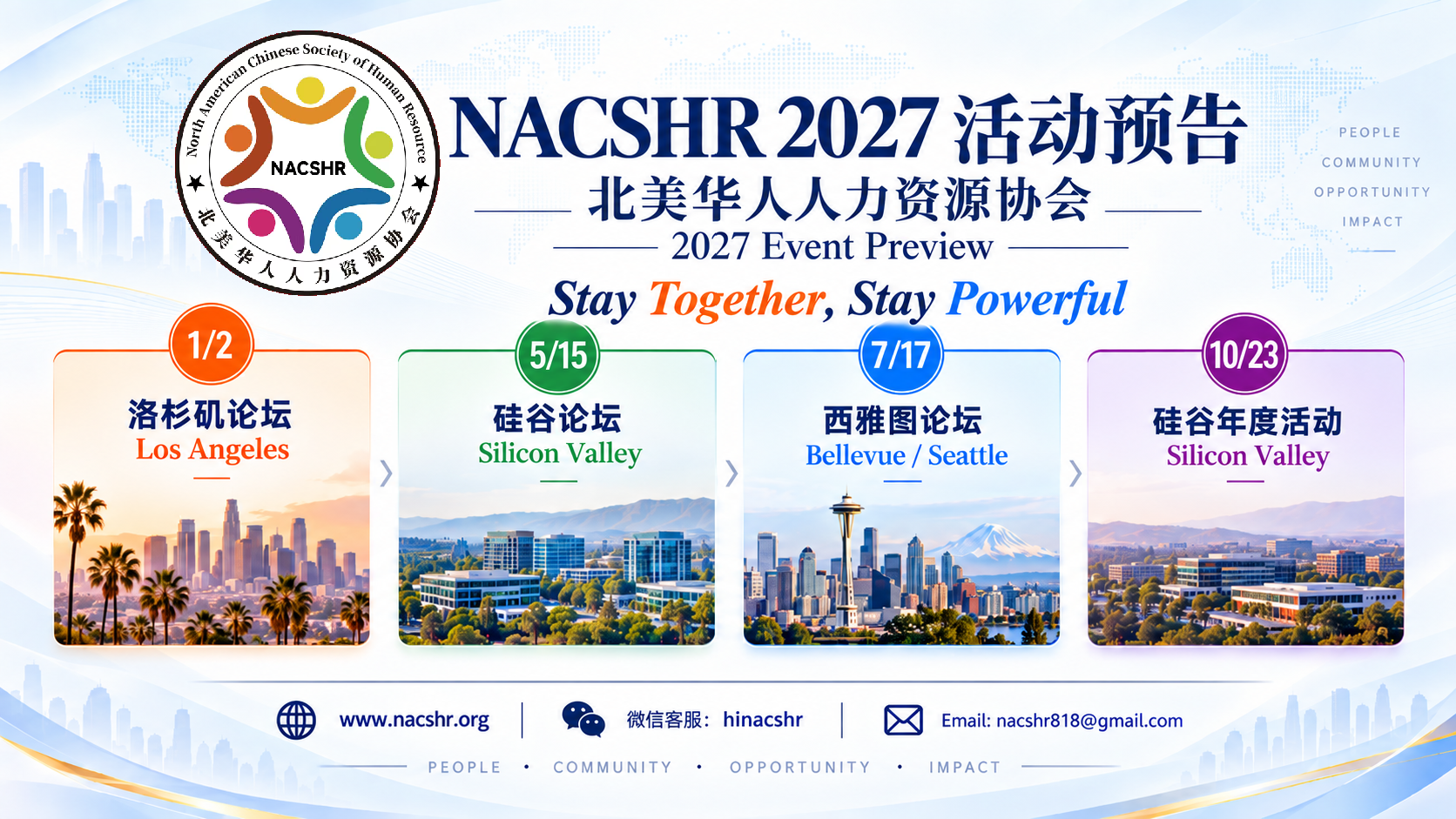
NACSHR发布2027年度活动计划:洛杉矶、硅谷、西雅图全年四场论坛
2026年10月01日
2027年CHRO信心继续降温:北美华人HR需要看到的,不只是招聘变化
2026年10月01日
精彩回顾:2026 NACSHR北美华人人力资源年度论坛硅谷举行:AI重构工作与组织,判断力成为新的稀缺能力
2026年09月28日
热门文章
扫一扫 添加客服
NACSHR招聘平台用户协议 & 免责声明
|
订阅NACSHR月报
|
NACSHR2024年度活动计划
|
NACSHR6月夏季论坛启动
|
Become a Speaker
|
北美HR需求指南-征集中
|
2024北美华人人力资源年度峰会
|
北美HR招聘平台-企业直招,内推
|
我有需求,想咨询
|
北美华人人力资源服务图谱
|
北美人力资源服务图谱
|
NACSHR在北美HR图谱
|
洛杉矶·NACSHR论坛
|
2025洛杉矶·华人HR年度论坛
|
NACSHR会员服务
|
NACSHR重磅发布企业高管签证与移民优选服务平台
|
官方邮箱:nacshr818@gmail.com
|
2026团体健康险报价开放中
|
免费发布北美HR职位
|
在线留言
|
联系我们
|
2026NACSHR夏季论坛·硅谷
|
付费方式
|
EPLI (雇主责任险)自主询价
|
福利保险
|
美国高官签证优选平台- L1、EB-1A等
|
2026NACSHR年度论坛9月26日
|
北美企业保险咨询
|
加州合规检测,仅需199一次
|
加州小企业医疗保险全指南
|
加州SB553
|
赞助合作
|
高管签证和移民优选服务
|
企业进入美国,HR 必须收藏的 30 个官方网站
|
30秒生成合规路线图
|
2026NACSHR年度论坛精彩回顾
|
2027年北美华人人力资源论坛计划安排
Email:
hi@nacshr.org
Copyright © 2026 NACSHR.org All Rights Reserved.
×
登录
用户注册
Email
密码
保持登录
忘记密码
登录

 人工智能
人工智能
 人工智能
人工智能
 人工智能
人工智能
 人工智能
人工智能
 人工智能
人工智能
 人工智能
人工智能
 人工智能
人工智能
 人工智能
人工智能
 人工智能
人工智能
 人工智能
人工智能


 扫一扫
添加客服
扫一扫
添加客服


