David Green : The best HR & People Analytics articles of April 2024
My highlight for April, and indeed of the year so far, was the People Analytics Worldconference in London. I first chaired the event in 2014, and over the last decade People Analytics World has established itself as the go-to event in Europe for the field.
The 2024 edition was sold out with close to 400 people attending across the two days (4x compared to 2014!). I had the privilege of co-chairing, along with Cole Napper and Michael M. Moon, PhD and also delivering the opening keynote on how leading companies deliver value with people analytics, based on our research at Insight222.
You can find the slides I shared in the keynote below. These include the results of three polls I ran with attendees at People Analytics World on (1) the current state of people analytics in their organisation, (2) the financial impact of people analytics in the last 12 months, and (3) the data literacy of HR professionals. Additionally, you can also access the Insight222 research I shared here.
The conference only ended a few days ago, but already many of the attendees have shared some of their key takeaways and learnings. Do check out the ones from Patrick Coolen (here), Giovanna Constant (here), Sebastian Knepper (here), Mariana Rossi Campos (here), Fatma Hedeya (here), Pietro Mazzoleni (here), Maria Manso Garcia (here), Ekkehard Ernst (here), Marcela Mury (here) and Jaejin Lee (here).
Finally on People Analytics World, congratulations to Barry Swales and the Tucana team for organising such a successful event, thank you to all those who attended the Insight222 dinner, visited the Insight222 stand and who took the time to interact with me over the two days. Lastly, thank you to all of the brilliant speakers and panellists in the Plenary sessions and Strategy track that I moderated: Richard Rosenow Ian Cook Sue Lam Rob Briner Peter Cheese Aizhan Tursunbayeva, PhD, GRP Abigail Gilbert Alexis Saussinan Michael Cox Gemma McNair David Shontz Amit Mohindra Clare Moncrieff Jo Thackray Lucie Vottova Andrew Elston Rob Etheridge Isabel Naidoo James Fenlon and Ekkehard Ernst.
People Analytics World 2024 | London
Share the love!
Enjoy reading the collection of resources for April and, if you do, please share some data driven HR love with your colleagues and networks. Thanks to the many of you who liked, shared and/or commented on March’s compendium (including those in the Thank You section below).
If you enjoy a weekly dose of curated learning (and the Digital HR Leaders podcast), the Insight222 newsletter: Digital HR Leaders newsletter is published every Tuesday – subscribe here.
HYBRID, GENERATIVE AI AND THE FUTURE OF WORK
DIANE GHERSON AND LYNDA GRATTON - Highly Skilled Professionals Want Your Work But Not Your Job
Without question, there has been a huge shift. Many of the individuals we’re looking to attract—in technology, data sciences, machine learning, blockchain, and the internet of things—have a different mindset now. They want more-flexible working arrangements.
This quote from Peter Fasolo, Ph.D. chief human resources officer at Johnson & Johnson, perfectly captures the challenge that Diane Gherson and Lynda Grattonhighlight in their article for Harvard Business Review: more and more workers want to work as freelancers. As the article highlights, Gartner predict that independent workers will make up 35% to 40% of the global workforce by 2025. Moreover, one-third earn more than $150,000 per year, and just over half were providing knowledge services—such as computer programming, marketing, IT, and business consulting. Integrating and managing what this ‘blended workforce’ will be one of the main managerial challenges in the years ahead. Based on their interviews with executives at leading companies that are experimenting with how best to bring freelancers into their organisations, Diane and Lynda set out some guidance and highlight emerging management practices that forward-looking companies are embracing. These include: (1) Helping freelancers understand and embrace company culture. (2) Following rigorous practices to retain institutional knowledge. (3) Adopting a ‘sponsor’ mindset to guide freelancers’ performance. (4) Leveraging digital workflows and building trust to manage changes in project needs.
FIG 1: The Emerging Blended Workforce (Source: Diane Gherson and Lynda Gratton)
LEILA HOTEIT, ANTON STEPANENKO, PAVEL LUKSHA, SAGAR GOEL, AND LEONID GORENBURG - The Next 50 Years of Work
Contrary to popular fears that the future will offer fewer work opportunities for people, most experts anticipate that rewarding work options will be plentiful.
The key finding of a recent BCG study is that workforce experts anticipate that jobs will flourish over the next fifty years, with four boundaries framing the future growth of the economy (see FIG 2). The study, authored by Leila Hoteit Anton Stepanenko Pavel Luksha Sagar Goel and Leonid Gorenburgalso highlights bionic skills (e.g. tech literacy, data-driven decision making, AI-enhanced creativity, and ease with human-machine collaboration) and creativity as the skills that will be in highest demand. But to complement these skills, workers should also cultivate adaptability and the ability to take initiative.
FIG 2: The four boundaries within which the future economy will grow (Source: BCG)
ETHAN MOLLICK - Reinventing the Organization for GenAI and LLMs
Consider this an early eulogy for the traditional organizational structure, which began in 1855 with the first modern organizational chart and thrived, more or less successfully, until the 2020s, when it succumbed to a new technology, the large language model (LLM).
That’s the bold claim by Ethan Mollick in his compulsive article in MIT Sloan Management Review. While he concedes that previous waves of technology have ushered in innovations that have strengthened traditional organisational structures, Mollick makes the case that GenAI and LLMs are different. He then outlines three principles for reorganising work around AI: (1) Identify and enlist your current AI users. (2) Let teams develop their own methods. (3) Build for the not-so-distant future. If you enjoy this article, I recommend subscribing to Mollick’s One Useful Thing blog.
BCG - What GenAI’s Top Performers Do Differently
The top GenAI performers have the biggest lead across five main capabilities: a clear link to business performance, modern technology infrastructure, strong data capabilities, leadership support, and a grounding in responsible AI.
While GenAI is becoming an integral part of business ecosystems, only 10% of companies have mastered scaling GenAI to create value and secure other benefits from this transformative technology (see FIG 3). That’s according to recent research by BCG, which finds that 10% of companies lead in five key areas: (1) a clear link to business performance, (2) modern technology infrastructure, (3) strong data capabilities, (4) leadership support, and (5) a grounding in responsible AI. A helpful read for HR leaders as they think how HR can lead organisational transformation in the age of AI as well as incorporate the technology into HR programs too. (Authors: Amanda Luther Romain de Laubier Nicolas de Bellefonds Tauseef Charanya Suraj Shah Kevin Nnaemeka Ifiora and Patrick Forth)
FIG 3: Three categories of companies in relation to GenAI adoption (Source: BCG)
PEOPLE ANALYTICS
PATRICK COOLEN - The 10 golden rules for establishing a people analytics practice
A successful people analytics practice starts with the right people analytics leader
Patrick Coolen’s first iteration of his ’10 golden rules for people analytics’ (one prescient ‘rule’ was to combine strategic workforce planning and analytics) was published in 2014 when he was in the early stages of building the function at ABN Amro. A decade on, Patrick updates his seminal article, with insights from his own career journey, Ph.D research, and the evolution of the field itself. As ever, Patrick is right on the mark with his ten selections including these three: (1) The people analytics leader can make the difference, (2) Create a clear people analytics operating model, and (3) Upskill HR in data-driven decision making.
PIETRO MAZZOLENI - Mastering data governance for effective people data platforms: lessons from what we did at IBM
Data Governance is the process that ensures the availability, usability, integrity, and security of data in enterprise systems
Pietro Mazzoleni shares the three key elements related to ‘governance-by-design’ that together provided the fundamental principles underlying the design and implementation of Workforce360, IBM’s people data platform. In the article, Pietro presents the three elements – trust, transparency and compliance (see FIG 4) – and provides a detailed description of each.
FIG 4: Key governance questions to consider when designing a people data platform (Source: Pietro Mazzoleni)
JASDEEP KAREER - The Importance of Data and Upskilling in Driving Growth
Jasdeep Kareer, PhD (née Bhambra) shares key learnings from the recent Peer Meeting for North American member companies of the Insight222 People Analytics Program, which was hosted by Colgate-Palmolive in their global headquarters in New York. The Peer Meeting, which was attended by more than 60 people analytics leaders and practitioners from more than 40 companies was framed on the key findings from the Insight222 People Analytics Trends study for 2023. In her article, Jas highlights five themes from the Peer Meeting: (1) The importance of data and upskilling in driving growth (with insights from Sally Massey). (2) How strategic partnerships and data governance pave the way for successful People Analytics initiatives (with insights from Courtney McMahon Pavel Nouel and Nayana Pai). (3) How insights-driven decision-making and storytelling can drive impactful outcomes in People Analytics (with insights from Durrell Blake Robinson and Mona Routray). (4) Factors influencing the adoption of people analytics (with insights from Patrick Coolen and Brydie Lear). (5) Influencing senior stakeholders with people analytics (with insights from Piyush Mathur). If you would like to learn more about our People Analytics Program, contact us today.
FIG 5: 8 Characteristics of Leading Companies. (Source: Insight222 People Analytics Trends Report 2023)
BURAK BAKKALOGLU – Deploying GenAI in HR | KEITH MCNULTY – How I Created an AI Version of Myself | KATE GUARINO - How to Turn ChatGPT into Your Personal Consultant: A 5-Step Approach | NATALIA GORMANN - Improving Employee Experience with a Solid Data Strategy | PATRICK GALLAGHER - Is It Time to Stop Measuring Employee Engagement?
In recent editions of the Data Driven HR Monthly, I’ve been featuring a collection of articles by current and recent people analytics leaders. These act as a spur and inspiration to the field. Five are highlighted here. (1) Burak Bakkaloglu dedicates an edition of his If Interested blog to the topic of GenAI including breaking down three layers of GenAI for HR (see FIG 6). (2) Keith McNulty provides a tutorial (including code) on how he built a 'Keith-bot' to answer questions on statistics based on the content of his regression textbook, using a Retrieval Augmented Generation (RAG) architecture. (3) Katie Guarino also provides a practical framework on how to use ChatGPT as your personal consultant and coach on any topic, regardless of your expertise in it. (4) Natalia Gormann discusses challenges for people teams to build partnerships with finance before guidance on how to build an effective data strategy to support employee experience strategies. (5) Patrick Gallagher looks at the case for and against measuring employee engagement, concluding that organisations with mature employee listening and PA functions just don’t need it anymore.
FIG 6: Three layers of GenAI in HR (Source: Burak Bakkaloglu)
THE EVOLUTION OF HR, LEARNING, AND DATA DRIVEN CULTURE
VINCENT BÉRUBÉ, BEN FOGARTY, NEEL GANDHI, RAHUL MATHEW, MARINO MUGYAR-BALDOCCHI, AND CHARLOTTE SEILEROUTLINE - Increasing your return on talent: The moves and metrics that matter
An organization that views its employees as its most important resource can maximize its return on talent by following a holistic strategy—with HR in the driver’s seat.
Drawing on McKinsey research that finds companies that put talent at the centre of their business strategy realise higher total shareholder returns than their competitors, Vincent Bérubé Ben Fogarty Neel Gandhi Rahul Mathew Marino Mugayar-Baldocchi and Charlotte Seiler outline five actions organisations can take to maximise their return on talent. The five actions are: (1) Build a skills-based strategic workforce planning capability. (2) Create a hiring engine that brings in the right talent to fill critical roles. (3) Invest in learning and development. ((4) Establish a stellar performance-oriented culture. (5) Elevate HR’s operating model to become a true talent steward.
FIG 7: Factors that drag down employee and organisational productivity (Source: McKinsey)
PETER CAPPELLI AND RANYA NEHMEH – HR’s New Role
If leaders realized that the true cost of turnover is often a multiple of an employee’s annual salary, they would immediately demand changes.
In their thoughtful article for Harvard Business Review, Peter Cappelli and Ranya Nehmeh set out the case for the HR function to return to its roots as employee advocates. They argue that in a period of low unemployment and labour supply shortages, focusing on cost-cutting and restructuring is counterproductive and the onus should instead be on retention and preventing burnout. To realise this, HR needs to change outdated policies on compensation, training and development, layoffs, vacancies, outsourcing, and restructuring. Cappelli and Nehmeh recommend the first step should be for HR to create dashboards with metrics on the true costs of turnover, absenteeism, reasons for quitting, illness rates, and employee engagement. They contend that: “If leaders realized that the true cost of turnover is often a multiple of an employee’s annual salary, they would immediately demand changes." They also outline guidance on why and how to measure employee stress – particularly with regards to AI and restructuring. The article also provides examples of companies with HR functions that are moving to an employee advocacy approach. These include the likes of Walmart and Neiman Marcus (both on compensation and reward), as well as IBM and Unilever (both internal talent mobility).
DAVE ULRICH - Upgrading HR Professionals: How to Develop HR Professionals so They Rise to Their Opportunity
HR matters. Now more than ever.
In a recent article from his Human Capability Impact LinkedIn newsletter, Dave Ulrich explains why HR functions and professionals are rising in importance, and then lays out a playbook, process and assessment designed to develop HR professionals so they can fulfil expectations and rise to the opportunity (see FIG 8).
FIG 8: Summary and assessment of ways to upgrade HR professionals (Source: Dave Ulrich)
WORKFORCE PLANNING, ORG DESIGN, AND SKILLS-BASED ORGANISATIONS
NICK VAN DER MEULEN, OLGERTA TONA, AND DOROTHY E. LEIDNER – Resolving Workforce Skills Gaps with AI-Powered Insights
As Christina Norris-Watts and Doug Shagam shared with me in an episode of the Digital HR Leaders podcast, Johnson & Johnson has used AI-driven skills inference as part of their skills transformation (see: How Johnson & Johnson are Scaling Their Skills-Based Approach to Talent). In their paper for MIT, Nick van der Meulen Olgerta Tona and Dorothy Leidner provide an in-depth case study on Johnson & Johnson to demonstrate how skills inference can provide detailed insight into workforce skills gaps and thereby guide employees’ career development and leaders’ strategic workforce planning. The paper includes a detailed description of the three steps of the skills inference process (see FIG 9). The sections in the paper on employee trust, privacy and use cases are particularly instructional for companies looking to emulate this work in their organisations.
FIG 9: The three steps of the skills inference process (Source: MIT Center for Information Systems Research)
JORDAN PETTMAN - Workforce Planning: A Beginner's Guide to Strategic Success
Jordan Pettman, one of my many talented colleagues at Insight222, shares some tips and guidance for practitioners looking to start or accelerate their workforce planning efforts. He highlights the Nine Dimensions for Excellence in Strategic Workforce Planning model we use with clients at Insight222 (see FIG 10), explaining that you need to consider each of the decision points that the model presents in terms of getting the foundations right, ensuring your resources are fit for purpose and that you deliver value out of the cycle for the business and employees. Jordan also shares insights from the likes of Jonas Ottiger and Gergo Safar as part of his guidance on two key elements: workforce planning essentials and building skills-based workforce planning.
FIG 10: Nine Dimensions for Excellence in Stategic Workforce Planning (Source: Insight222)
EMPLOYEE LISTENING, EMPLOYEE EXPERIENCE, AND EMPLOYEE WELLBEING
EMILY KILLHAM - From Insight to Action: New Data on the State of Employee Listening (Article) | The State of Employee Listening 2024 (Report)
(Leading firms ensure) listening efforts are aimed at the most important business and talent priorities facing their organizations today.
Emily Killham highlights the key findings from Perceptyx’s third annual State of Employee Listening report, which is informed by survey of more than 750 senior HR leaders from global firms with at least 1,000 employees. These include: (1) 78% of firms surveyed conduct some kind of listening event at least once a quarter, compared to 70% in 2023 and 60% in 2022. (2) Nearly 40% of organisations can share listening data with managers within two weeks. (3) When compared with their peers, the most mature listening organisations are 6x more likely to exceed financial targets, 9x more likely to achieve high levels of customer satisfaction, 4x more likely to retain talent, even during times of high attrition, 7x more likely to adapt well to change, and 7x more likely to innovate effectively.
FIG 11: Employee Listening Maturity (Source: Perceptyx)
NICK LYNN - Trust and Distrust: Why and how you may need to tackle both
Building trust is not always sufficient, you may also need to tackle the causes of distrust. The problems are not always the same. They may sometimes require different solutions.
Nick Lynn constructs a wonderful treatise on ‘trust’ and ‘distrust’ in organisations and offers potential solutions to build the former and tackle the latter. Through analysing four models to build trust, Nick identifies some common ingredients including: communication, consistency, integrity, fairness, empathy, and psychological safety. When it comes to tackling distrust, he assembles four elements of organisational health: work, total rewards, people, and purpose into a framework of employee experience leadership (see FIG 12).
FIG 12: Driving employee experience through connection and contribution (Source: Nick Lynn)
STEPHANIE DENINO, TIMO TISCHER, AND DAVID GREEN - Moving Towards Excellence in EX Management
In the January edition of Data-Driven HR Monthly, I highlighted the fascinating report State of EX 2023-24 study, published by The EXchange, Inc, TI PEOPLE and FOUNT Global, Inc. In this article, for myHRfuture, I interview Stephanie Denino and Timo Tischer, two of the contributors to the study. We dig into what constitutes ‘excellence’ in EX management, the barriers and how to overcome them, and the priorities for EX teams in 2024 (see FIG 13). Stephanie and Timo also provide tips for organisations looking to manage EX more deliberately, which includes: (1) Identifying the moments that matter, (2) Measuring and listening continuously to people’s experiences across these moments, and (3) Clarifying responsibilities (who ‘owns’ which journeys, moments and/or touchpoints) to ensure accountability, and improving high importance / low satisfaction moments.
FIG 13: Top five priorities for EX teams in 2024 (Source: State of EX 2023-24 study)
LEADERSHIP, CULTURE, AND INCLUSION
ANNA BINDER - Build Your Culture Like a Product
Anna Binder, Asana's Head of People, shares her step-by-step guide to intentionally building the company culture, which has helped Asana scale from 100 to over 2,000 employees during the last eight years. The article includes tips on building a people strategy from the ground-up, constructing a culture pyramid to supercharge your organisation (see FIG 14), how to bring conscious leadership to the executive suite, and building trust. A highly insightful and practical guide.
FIG 14: The pyramid of company culture (Source: Anna Binder)
ARNAUD CHEVALLIER, FRÉDÉRIC DALSACE, AND JEAN-LOUIS BARSOUX - The Art of Asking Smarter Questions
Advances in AI have caused a seismic shift from a world in which answers were crucial to one in which questions are. The big differentiator is the ability to craft smart prompts.
The ability to ask great questions is a powerful skill for unlocking value – especially in the age of AI. As such, the cover article of the current edition of the Harvard Business Review by Arnaud Chevallier Frédéric Dalsace and Jean-Louis Barsoux of IMD Business School is well worth digging into. The authors provide a typology of five topics of questions to ask during strategic decision making: (1) investigative, (2) speculative, (3) productive, (4) interpretive, and (5) subjective (see FIG 15). The article also includes a self-assessment that enables readers to evaluate the types of questions that are their strong and weak points, and then provides guidance to help you improve. From completing the assessment myself, it seems I need to work on my subjective questioning technique.
FIG 15: What’s your question mix? (Source: Chevallier et al)
CHRISTIAN HAUDE, IVO BLOHM, AND XAVIER LAGARDÈRE - How Lufthansa Shapes Data-Driven Transformation Leaders
Effective data leaders bridge a crucial gap that still exists in too many organizations. These leaders play a key role in transforming organizations that are leveraging data and AI to increase business value.
An excellent example from Lufthansa on how they created a program to educate leaders on data leadership, and how it provided insights on the roles that people play in data-driven change. In their article, Christian Haude Ivo Blohm and Xavier Lagardere outline the challenge the program was designed to solve, the six different roles for data leaders that were defined (see FIG 16), details of the three training modules: Spark, Inspire and Activate, and four key strategies for success.
FIG 16: Data Leadership: Six key roles (Source: Haude et al)
SHARNA WIBLEN AND DAVID GREEN - Rethinking Talent Decisions and Navigating Subjectivity in HR
Accumulating deliberate, intentional, and informed decisions can unleash exponential returns.
In her book, Rethinking Talent Decisions, Sharna Wiblen highlights an uncomfortable truth: Talent decisions are always subjective. As such, I was delighted to explore this in more depth with Sharna in an article for myHRfuture. In the article, Sharna, an Assistant Professor and Senior Lecturer at Sydney Business School, University of Wollongong, unpacks the nuanced role of subjectivity in talent decisions and the symbiotic relationship between technology and human judgment in the workplace. The uncomfortable truth is that decisions about talent are invariably coloured by personal perceptions, and instead of shying away, Sharna argues that we should lean into this discomfort to emerge with more informed and nuanced strategies.
HR TECH VOICES
Much of the innovation in the field continues to be driven by the vendor community, and I’ve picked out a few resources from April that I recommend readers delve into:
FRANZ GILBERT, MATTHEW SHANNON, AND ERIN SPENCER - 2024 HR tech predictions: Headless platforms place HR tech in the flow of work – The Deloitte Human Capital Forward team of Franz Gilbert Matthew Shannon and Erin Spencer outline the key HR technology trends they believe will drive innovation in the field in 2024 (see FIG 17).
FIG 17: HR technology trends primed to innovate further in 2024 (Source: Deloitte)
JARED SPATARO, KATHLEEN HOGAN, AND CHRIS FERNANDEZ - Our Year with Copilot: What Microsoft Has Learned About AI at Work - Senior leaders at Microsoft, including Jared Spataro Kathleen Hogan and Christopher J. Fernandezshare insights, learnings and guidance from their experience of using Copilot. For example, Hogan reveals:
Our HR service professionals are able to handle employee inquiries more efficiently. So far we are seeing a 26 percent reduction in initial response time thanks to Copilot.
CATHERINE COPPINGER - Manager Effectiveness: It’s Time for a New Playbook – Catherine Coppinger shares Worklytics research on how companies can understand and improve manager effectiveness. Insights include the impact of isolation on ‘quiet quitting’ and how low manager engagement is a big predictor of isolation (see FIG 18). For more, please listen to Catherine’s discussion with me on the Digital HR Leaders podcast: How to enhance manager effectiveness.
FIG 18: Source - Worklytics
FRANCISCO MARIN - The Role of AI-Powered Passive Organizational Network Analysis (ONA) in Mitigating Burnout, Absenteeism, and Turnover Risk – Francisco Marin of Cognitive Talent Solutions explains how ONA has emerged as a critical tool in identifying and mitigating the risks of burnout, absenteeism, and turnover.
ANDREW PITTS AND CHAD MITCHELL - Mapping and Understanding the Connections Between SIOP 2024 Conference Presenters – Andrew Pitts and Chad Mitchell provide a practical example of ONA by utilising Polinode to understand and map the connections of the presenters at the recent Society for Industrial and Organizational Psychology (SIOP) 2024 conference in Chicago.
PODCASTS OF THE MONTH
In another month of high-quality podcasts, I’ve selected four gems for your aural pleasure: (you can also check out the latest episodes of the Digital HR Leaders Podcast – see ‘From My Desk’ below):
ANDREW STRAUSS AND MATT ALDER - Talent Lessons From Elite Sport – I’ll happily admit to some green-eyed envy towards Matt Alder for the coup of getting former England cricket captain Andrew Strauss onto his Recruiting Future podcast to discuss what elite sports can teach business about leadership.
JOHANNES SUNDLO AND LARS SCHMIDT - Practical Use Cases for Generative AI in Human Resources – Johannes Sundlo joins Lars Schmidt on his Redefining Work podcast to dig into use cases for GenAI in HR including in learning and compensation.
MALISSA CLARK AND CURT NICKISCH - Companies Can Win by Reducing Overwork - Malissa Clark, associate professor and head of the Healthy Work Lab at the University of Georgia, joins Curt Nickisch on HBR IdeaCast to explain how companies unwittingly create a workaholic culture, and what they can do to change this.
ALAN COLQUITT, COLE NAPPER AND SCOTT HINES - Is Performance Management Fine, Or Rotten To The Core? – An interesting discussion ensues as Alan Colquitt, Ph.D. joins hosts Cole Napper and Scott Hines, PhD to discuss the pros and cons of performance management.
BOOK OF THE MONTH
ANNA TAVIS AND WOODY WOODWARD - The Digital Coaching Revolution: How to Support Employee Development with Coaching Tech
According to Anna A. Tavis, PhD, and Dr. Woody Woodward, PhD, PCC: “Digital coaching is transforming employee experience and the future of work as we know it.” In their book, The Digital Coaching Revolution, they provide guidance on how to scale digital coaching in your organisation – whether the C-suite is already on board or not. The book features case studies from the likes of Visa, CVS, and Hilton, and is a recommended resource for HR, EX, and L&D professionals looking to understand and/or roll digital coaching within their companies.
RESEARCH REPORT OF THE MONTH
ROB BRINER – Evidence-Based HR: A New Paradigm
Evidence-based HR (EBHR) is a process which delivers more informed and hence more accurate answers to two fundamental questions: first, which are the most important problems (or opportunities) facing the organisation which are relevant to HR? Second, which solutions (or interventions) are most likely to help?
These are the opening words to a recently published report from the Corporate Research Forum (CRF), authored by Rob Briner, on Evidence-Based HR (EBHR). The report tackles, the why, what, and how of EBHR, explains why it is not the same as people analytics, provides case studies from Thales, Uber and the Financial Conduct Authority, and provides a practical toolkit for practitioners on the EBHR process (see FIG 19). For more, have a listen to Rob speaking to me in a recent episode of the Digital HR Leaders podcast: What is evidence-based HR and why is it important?
FIG 19: The Evidence-Based HR Process (Source: Rob Briner, Corporate Research Forum)
FROM MY DESK
April saw three episodes from Series 38 of the Digital HR Leaders podcast, sponsored by our friends at Worklytics - thank you to Philip Arkcoll and Laura Morris, as well as a round-up of series 37:
NICKLE LAMOREAUX - How IBM Uses AI to Transform Their HR Strategies – Nickle LaMoreaux, CHRO at IBM, joins me to share how IBM is harnessing AI to transform HR practices, drive business outcomes, and elevate employee experience. One of the examples Nickle shares is IBM’s digital worker, HiRo, which takes on the manual, repetitive tasks of data gathering during our quarterly promotions process and in 2023 saved IBM managers 50,000 hours.
COLE NUSSBAUMER-KNAFLIC - How HR Professionals can Master Storytelling with Data - Cole Nussbaumer Knaflic joins me for a deeply insightful conversation on the transformative power of storytelling in the context of people data and analytics.
CATHERINE COPPINGER – How to Use Passive Data to Enhance Manager Effectiveness - Catherine Coppinger, Head of Customer Insight at Worklytics joins me to discuss her recent research on manager effectiveness, which includes discussion on the impact of network density, team size, and span of control on team and manager effectiveness.
DAVID GREEN - How can HR help create a thriving organisational culture? - A round-up of series 37 of the Digital HR Leaders podcast, with insights from episodes featuring Rebecca Thielen Dorie Clark Didier Elzinga Rob Briner Louise Millar and Olivia Edwards.
LOOKING FOR A NEW ROLE IN PEOPLE ANALYTICS OR HR TECH?
’d like to highlight once again the wonderful resource created by Richard Rosenow and the One Model team of open roles in people analytics and HR technology, which now numbers over 550 roles.
THANK YOU
Reem Janho, JD Michael Griffiths Obed Garcia-Colato Kim Eberbach and the rest of the Deloitte team for inviting me to speak at their Workforce Innovation Forumat the Deloitte University in Texas.
Olimpiusz Papiez for sharing his key learnings on advancing your career in people analytics (with insights from the Digital HR Leaders podcast episode with Serena H. Huang, Ph.D.), on how to quantify the impact of a thriving company culture (with insights from the episode with Didier Elzinga), and on IBM’s HiRo digital assistant (with inisghts from the episode with Nickle LaMoreaux)
Luis Miguel González Soriano for posting about Excellence in People Analytics.
Juliette Matharan for writing about Excellence in People Analytics, and Arnaud COULON for recommending the book to Juliette.
Ancile Digital for including my quote on how HR can harness AI in its post on the best advice for HR professionals.
Mirro.io for featuring me as one of their top HR thought leaders to follow in 2024.
Employ.com for also featuring me as one of their top 16 HR influencers to follow on LinkedIn.
Ganesh Iyer for including the Digital HR Leaders podcast in his list of 25 HR leadership podcasts to subscribe to.
Thomas Otter for endorsing the Digital HR Leaders podcast here.
Kevin Green for recommending series 37 of the Digital HR Leaders podcast.
Thomas Kohler for including the March edition of Data Driven HR in his round-up of recommended HR resources.
Yen Dang for including the Data-Driven HR Monthly in her top 3 newsletters for HR professionals.
Neha Asthana for including me in her group of HR thought leaders and influencers.
Caroline Arora and JooBee Yeow, PhD for recommending me on Mark Shortall’s list of content creators in the people and talent space.
Lars Schmidt for also the Data-Driven HR Monthly (this newsletter!) in his excellent list of HR newsletters to subscribe to.
To the following people who sharing the March edition of Data Driven HR Monthly. It's much appreciated: David Simmonds FCIPD Hafiz Adam Hanafi Reshma Mawji Hakki Ozdenoren Jo Iwasaki Aravind Warrier Katrina A. Stevens, CHRE Muhammad Firdaus Chrechen Jeja Kouros Behzad Arin Buawatthana Abid Hamid Robert Rogowski Terri Horton, EdD, MBA, MA, SHRM-CP, PHR Anvita Patnaik Paola Valerin Francisca Solano Beneitez Beverly Tarulli, Ph.D. Nicola Vogel Alexander S. Locher Kingsley Taylor Jacqui Brassey, PhD, MA, MAfN (née Schouten) Ralf Buechsenschuss Aysegul Tigli Philipe Ferreira Jane Datta Malgorzata (GOSIA) LANGLOIS Karen Edelman Indre Radzeviciute Hallie Bregman, PhD Adam McKinnon, PhD. Amanda Painter Adam Tombor (Wojciechowski) Chris Lovato Nabil Dewsi Tatu Westling Kristina Schoemmel Janeen Rabinowitz Susan Knolla Dan George Catriona Lindsay Patricia Carmona Ulrich E. Basler Caitie Jacobson Warren Howlett Jackson C. Trent Melissa Hopper Fritz Ankit Saxena, MBA Martha Curioni Anna Nord ?? Amardeep Singh, MBA Irada Sadykhova Christina Bui Higor Gomes Tanya Pastor Danielle Bushen Nicole Lettich Ken Clar Kerrian Soong Laurent Reich Stephen Hickey Olivier Bougarel Jana Glogowski Marcela Mury Tina Peeters, PhD Aimee Wilkinson Ludek Stehlik, Ph.D. Phil Inskip Adam Gibson Daniel Bosman Todd Tauber Violeta Lennon Soojeong Bae Aurélie Crégut.
UNLOCK THE POTENTIAL OF YOUR PEOPLE ANALYTICS FUNCTION THROUGH THE INSIGHT222 PEOPLE ANALYTICS PROGRAM
At Insight222, our mission is to make organisations better by putting people analytics at the centre of business and upskilling the HR profession The Insight222 People Analytics Program® is your gateway to a world of knowledge, networking, and growth. Developed exclusively for people analytics leaders and their teams, the program equips you with the frameworks, guidance, learnings, and connections you need to create greater impact.
As the landscape of people analytics becomes increasingly complex, with data, technology, and ethical considerations at the forefront, our program brings together over one hundred organisations to collectively address these shared challenges.
Insight222 Peer Meetings, like this event in London, are a core component of the Insight222 People Analytics Program®. They allow participants to learn, network and co-create solutions together with the purpose of ultimately growing the business value that people analytics can deliver to their organisations. If you would like to learn more, contact us today.
ABOUT THE AUTHOR
David Green ?? is a globally respected author, speaker, conference chair, and executive consultant on people analytics, data-driven HR and the future of work. As Managing Partner and Executive Director at Insight222, he has overall responsibility for the delivery of the Insight222 People Analytics Program, which supports the advancement of people analytics in over 90 global organisations. Prior to co-founding Insight222, David accumulated over 20 years experience in the human resources and people analytics fields, including as Global Director of People Analytics Solutions at IBM. As such, David has extensive experience in helping organisations increase value, impact and focus from the wise and ethical use of people analytics. David also hosts the Digital HR Leaders Podcast and is an instructor for Insight222's myHRfuture Academy. His book, co-authored with Jonathan Ferrar, Excellence in People Analytics: How to use Workforce Data to Create Business Value was published in the summer of 2021.
SEE ME AT THESE EVENTS
I'll be speaking about people analytics, the future of work, and data driven HR at a number of upcoming events in 2024:
June 4-5 - Insight222 European Peer Meeting (hosted by Nestlé in Vevey, Switzerland) - exclusively for member organisations of the Insight222 People Analytics Program
June 25-26 - Insight222 North American Peer Meeting (Minneapolis, US) - exclusively for member organisations of the Insight222 People Analytics Program
September 16-19 - Workday Rising (Las Vegas)
September 24-26 - Insight222 Global Executive Retreat (Colorado, US) - exclusively for member organisations of the Insight222 People Analytics Program
October 16-17 - UNLEASH World (Paris)
October 22-23 - Insight222 North American Peer Meeting (hosted by Workday in Pleasanton, CA) - exclusively for member organisations of the Insight222 People Analytics Program
November 12-14 - Workday Rising EMEA (London)
November 19-20 - Insight222 European Peer Meeting (hosted by Merck in Darmstadt, Germany) - exclusively for member organisations of the Insight222 People Analytics Program
More events will be added as they are confirmed.
观点
2024年05月02日
观点
是时候重塑人才招聘了 -Research Shows It’s Time To Reinvent Talent AcquisitionJosh Bersin 的文章 "研究表明,是时候重塑人才招聘了 "强调了人才招聘亟需进行的变革。由于只有 32% 的人力资源高管参与战略规划,而且许多人觉得自己只是个接单员,因此这篇文章呼吁进行战略改革。在劳动力短缺和急需技能型招聘的情况下,目前削减成本和减少招聘力度的方法与对技能型专业人才日益增长的需求相矛盾。文章敦促企业将人才招聘作为一项重要的战略职能,利用现代技术并将其与学习和发展相结合,以提高效率并关注内部人才流动。
原文如下:
This week we published a disappointing research study, Talent Acquisition at a Crossroads. The study, conducted in partnership with AMS, points out that talent acquisition leaders (this is a senior position) are largely left out of their company’s strategic planning process and many feel they operate as “order takers.”
In today’s world of labor and skills shortages, this is a wakeup call for change.
Here’s the data:
Among these 130+ HR executives only 32% are involved in any form of strategic workforce planning, 42% believe their company has no workforce plan at all, and 46% say “they’re running around to keep up.” And when layoffs do occur, often the recruiters go first. (Witness Tesla this week.)
All this is happening in a world where 58% of companies feel skills shortages are significantly impacting their business plans, more than three-quarters believe they must transform their talent practices to grow, and “skills-based hiring” is a top priority yet difficult to implement.
Here’s the paradox: companies are cutting their talent acquisition spending at the same time CEOs feel that skills shortages are getting worse. What’s going on?
Talent Acquisition Needs A Reinvention
Let’s just face it: recruiting as a business function has to change. Once considered the “staffing department,” where companies posted jobs and scanned resumes, talent acquisition has become highly strategic operation. What skills do we need? How do we find people who will fit our culture? What internal candidates should fill our key positions? Who are the right leaders for us to hire?
Unfortunately, almost 80% of talent acquisition functions are quite tactical. PwC’s CEO survey found that CEOs rate “hiring” as the third most bureaucratic process in their companies, tied with “too many emails” and “too many meetings” as a time-wasting process. And that explains why two-thirds of TA leaders are being asked to cut costs.
I had a conversation last week with a former TA leader for one of the Big Three automakers. He told me that in the fervor to hire staff for EV engineering he was asked to hire “any engineer he could find, regardless of skill,” because the company was in such a hurry. No time for skills assessment, competitive planning, or even location analysis. Just “go out there and hire engineers.”
We have been studying the auto industry as part of our GWI study and found that important EV roles (reliability engineer or power plant engineer, for example), are quite specialized and hard to find. Strategic recruiting departments need to understand these roles and source these individuals carefully. Just hiring engineering grads from a local community college is not going to move this needle.
(Consider the data by Draup on what these roles are. Talent Acquisition teams with talent intelligence skills can pinpoint who to hire.)
And it gets worse. In our Dynamic Organization research we found that high performing companies focus heavily on internal hiring, talent intelligence tools to find hidden talent, and continuous internal development to fill skills gaps. We can’t simply throw job requisitions over to the recruiting function any more: the people we need may be buried inside the company.
This week Tesla announced a layoff of 10% of their workforce. Was their time to balance and redeploy talent internally? Absolutely not. According to my sources every business unit had to let 10% go, and and many of the people being fired were talent acquisition leaders, the very people who help with these issues.
We talk with many HR executives and there is an enlightened group. Companies that understand this issue (about one in eight) have elevated Talent Acquisition to a strategic function, they merge or integrate TA with L&D, and they redefine their recruiters as “talent advisors.” Mastercard, as a leader, just renamed their recruiters as “Career Coaches,” demonstrating their role in helping people find the right jobs.
Despite the onslaught of AI, this role is becoming even more human-centric. High-powered recruiting teams source internal candidates, understand company culture, and have a deep knowledge of jobs, roles, and organizational dynamics. When well supported and trained, these professionals are strategic advisors, not just “recruiters.” And companies that understand this often outsource or automate much of the administration in recruiting.
Technology plays a major role in this reinvention. Most large companies have dozens of legacy systems, many of which make the candidate experience difficult. When organizations focus on modernizing and streamlining their technology, talent acquisition can become 10-100X more efficient. This, in turn, gives recruiters and talent advisors the time to search for the right skills, carefully select the best candidates, and focus on internal hiring and development as a strategy.
Technology Is Here But Not The Entire Answer
Of all the HR technology markets, recruiting is the most innovative of all. New AI-powered systems like HiredScore (just acquired by Workday), Paradox (leader in conversational AI), Eightfold, Gloat, Draup, and Lightcast (pioneers in talent intelligence), and many others can reduce time to hire from months to weeks and weeks to days. But none of this technology works if the Talent Acquisition team is left on an island.
In the last year I have met with more than 50 heads of talent acquisition and once the door is closed and we talk honestly, they always tell me the same thing. “We are not treated as a strategic function, we are being asked to cut costs, and we are constantly running from fire to fire to keep executives happy.” This type of “service-delivery” focus simply will not work in the new economy.
What should companies do? As part of our Systemic HR initiative, we help companies evolve their TA Function to operate in a more strategic way. Organizations like Bayer, Verizon, and many others have elevated the role of recruiter to talent advisor, they’re building skills in talent intelligence, and they’re integrating the recruiting function with L&D, career management, and employee engagement.
I’ve always felt that recruiting is the most important things HR professionals do. If we can’t get the “right” people into the company, no amount of management can recover. But what does “right” mean? And how can we source, locate, and attract these particular people?
This is a highly strategic operation, and one that must integrate with internal mobility, culture, and employee experience. I encourage you to read our Systemic HR research, join our Academy, or reach out to us or AMS for advice. In this new era of talent and skills shortages, we simply cannot run recruiting in this tactical way any longer.
观点
2024年04月24日
观点
Josh Bersin 谈Workday的创新论坛:Why I’m Bullish On Workday Again: The Innovation Summit本周Workday创新峰会揭示了公司由产品主导向市场主导的战略转型。Workday一直以云技术为核心,自主开发了面向对象的数据系统和全球安全架构。然而,随着市场的演进和竞争的加剧,公司在新任CEO Carl Eschenbach的领导下,开始转向市场导向的商业模式。
在这次转型中,Workday开始拓宽其业务模型,更加开放地与合作伙伴合作。公司不再限制API的使用和合作伙伴的接入,而是致力于构建一个像苹果iPhone那样的开放平台,允许更多的行业应用集成到其系统中。这一策略旨在提供更加灵活和综合的企业解决方案,以适应不同行业的需求。
同时,Workday也大力投入到人工智能技术的开发中,推出了基于企业自有数据的微型机器学习模型(micro-LLMs),并在全球范围内调整这些模型以满足本地客户的需求。此外,Workday正在将其人才智能市场向外扩展,通过与多个行业解决方案提供商的合作,强化其在健康护理和金融等领域的业务。
AI技术的应用不仅仅限于技术层面的改进,Workday还通过这些技术优化了用户体验,使得各种任务的完成变得更加便捷。例如,在Workday平台上,用户可以看到AI图标,通过点击即可获得智能辅助完成工作。
在人才管理方面,Workday引入了许多新功能,如智能工作架构中心(Intelligent Job Architecture Hub)以及加强的Workday人才市场,这些都是为了帮助企业简化和改进职位描述和技能需求。
此外,Workday的领导层也展现出了更开放和实用的态度,这对公司未来的发展是一个积极的信号。总的来说,Workday的这一系列战略调整,旨在更好地适应快速变化的市场需求,提高公司的竞争力和市场份额。
Josh Bersin 写了这篇文章,强烈推荐给大家了解下:以下是中英文的供参考
This week I attended the Workday Innovation Summit and there’s a lot to discuss. Having just celebrated its 19th birthday, the company is embarking on a major transformation . And it’s not just product innovation that’s happening, the company is greatly expanding its business model.
Workday Has Been A Product Led Company
Much of Workday’s success goes back to its focus on being “born for the cloud.” Rather than build business apps in a typical database-centric architecture, Workday developed its own object-oriented data system, integrated workflow system, and global security architecture from scratch. Nobody knew the cloud would be so big nor that we’d have “superscalers” like Google, Microsoft, and Amazon as platforms. Nor could we predict the advent of global data governance, AI, or data and apps distributed across thousands of servers.
Well Workday, led by Aneel Bhusri, pulled this off. And not only did they sell architecture, they sold “the Power of One.” In Workday, unlike other ERP business systems, all the applications were designed to work together. No acquisitions, no integrations, no open systems: just a beautifully designed, easy-to-use, scalable enterprise application. (I noted that it reminded me of the i-Phone at the time: beautiful, easy to use, and closed.)
This “beautiful walled garden” served Workday well. While Oracle, SAP, and other vendors struggled to redesign their client-server apps and acquire missing pieces, Workday grew like wildfire and is now a global ERP vendor with more than $7.3 Billion in recurring revenue, 10,000+ enterprise and mid-market customers, and a brand known for trust, customer focus, and quality. And all this happened with a founding team that was largely still in place.
Last year Workday’s co-founder and CEO Aneel Bhusri decided it was time to step back and the company brought in Carl Eschenbach to be CEO. And now things are starting to change. The company is becoming a “markets-led” business.
The “product-led” focus for Workday was both good and bad. Workday was not easy to integrate, there were few APIs for developers, and the company limited its partners. As part of its mission to be pure, Workday prevented many vendors from “partnering” and forced integrators to pay large fees and certify dedicated teams. This “scarcity” strategy created high demand and high prices, and customers actually appreciated it.
All was good, until things started to change. Today, with many competing vendors at all levels of the ERP stack, Workday is becoming more pragmatic. And as I’ll explain below, they’re changing their message from “The Power of One” to “Workday is a Platform.”
Workday Is Becoming A Markets-Led Company
The HCM and Financials market is complex. There are dozens of sub-markets, application areas, and industry solutions to address. An HR system designed for a large hospital system is unlikely to need the same features as a system for a global insurance company. So Workday started to realize its system, while integrated and highly functional, couldn’t keep up.
And within HR itself there are hundreds of vendors who sell recruiting tools, career systems, learning platforms, engagement tools, mobile apps, benefits, and data analytics systems. And each of these sub-markets are being transformed by AI. (Our upcoming research on Talent Intelligence, for example, will show you how fragmented this is.)
Workday was having a hard time keeping up. The company embarked on a series of acquisitions (Platfora, Mediacore, Adaptive Insights, VNDLY, Peakon, HiredScore, and others). This forced the product teams to focus on user interface and architectural integration, somewhat slowing the feature expansion. And many partners who wanted to integrate with Workday (which customers demand) were ignored.
Well under Carl’s leadership, all this is changing. Workday is now fully open to partners, ISV’s, resellers, and industry solutions. Almost 25% of the entire Innovation Summit was focused on Workday’s open partner strategy. And the big message was this: Workday is not a “system,” it’s a “platform.”
What does this mean? It means that if you buy Workday you’re buying a platform like the i-Phone. It works amazingly well, it’s safe, and will sport a family of industry apps to help you build a total solution. This worked for Apple and Salesforce and it’s likely to work well for Workday. SAP has a similar offering, but its level of integration is far more complex. This lets Workday move deeply into new domains and sub markets. (Workday highlighted its new integrations with Shiftwizard in healthcare, Auditoria and Kyriba in finance, and many others. These are not just ISV relationships: Workday is reselling these products.
But there’s much more.
Workday Unveils Its AI Strategy
At last year’s event Workday really waffled about AI. They gave us a lot of arm waving discussions of “Workday AI” but it didn’t make a lot of sense. Well they’ve figured it out, so let me briefly explain.
Enterprises don’t want AI for its own sake and they definitely don’t want crowdsourced data which creates legal risk. They want AI solutions that work on their own data.
Well Workday has now embarked on a wide variety of AI features, each delivered through its own “micro-LLMs” trained on a company’s own data. (Very similar to how we implement Galileo, our AI HR expert assistant.) And for larger AI capabilities they use a global LLM with local weights and biases for each client. (This is similar to how the Microsoft Copilot works.) So your enterprise data trains your “version” of Workday without sharing any data with others.
In some cases (the Skills Cloud, for example), customers can opt to share data anonymously. This lets Workday build a “global skills database” which everyone can share. Vendors like Eightfold, Lightcast, and Draup do this at a massive scale (far beyond what Workday does today), so Workday is now moving into this “talent intelligence” market. (Lightcast is now a Workday Skills Cloud partner.)
Many of these features are simple (rewriting a job description or matching invoices to purchase orders) but powerful. All over Workday you now see a little AI icon to help you complete a task. In fact Workday has already re-engineered about 280 different tasks and is working on around 2,000 in total.
Customers constantly tell me Workday is difficult to use, and it’s largely just because the system is quite complex. These AI-enhanced experiences are slowly going to make the system more and more “I-Phone like.”
Many New Talent Features
Now that the product teams have a strong underlying architecture, they’re going crazy with features. Workday is introducing a new “Intelligent Job Architecture Hub,” for example, to help companies simplify and improve job names, levels, descriptions, and skills. (It also shows trending skills in the external market.) Everyone is going to use this.
The Workday Talent Marketplace, which is not widely used yet, is being enhanced through HiredScore: employees will get Teams or Slack messages recommending jobs. This is an example of “orchestration,” a new buzz-word among AI systems. (Imagine AI booking your trip including hotels, air, car, etc.)
The Workday Manager Hub now shows managers detailed employee engagement data (Peakon has more than 18 billion responses now) and will gives managers “Conversation Starters” to help them start performance coaching, all based on feedback from other employees.
There is a major focus on contingent, gig, and contract workers. For the first time I believe Workday can handle most professional services businesses (including pricing projects based on staff pricing), healthcare and retail (AI-powered scheduling and shift management), and many deskless worker needs. It turns out that healthcare and retail are two of Workday’s biggest industries, so these talent-constrained industries are now a good market.
Let me talk briefly about HiredScore. This company built an in-line “talent orchestration system” that uses AI to show recruiters who is most suited for a job, explain why it made its decisions, and use this data to find and source internal candidates automatically. While this type of technology is widely used in systems like Eightfold, Beamery, Phenom, and others, the HiredScore system is workflow-oriented. Recruiters love it and it greatly improves hiring speed, quality, and internal mobility.
And by the way, despite lots of complaints from users, Workday Recruiting is starting to dominate the ATS market. With more than 4,000 customers it’s becoming a more “safe buy” as companies rationalize their old ATS systems.
As David Somers (head of product) put it, HiredScore is the acquisition that “keeps on giving.” In other words the AI team at HiredScore is now going to work with Workday’s Skills Cloud team to evolve and improve that system. The Skills Cloud, while beautifully visioned and named, has had limited success. With HiredScore’s help (and the leadership of Athena Karp, founder and CEO), this system will get more attention. (That includes more content partnerships and a broader set of tools.)
This means Workday’s recruiting system (which is one of the most critical business systems in today’s talent shortages) is now highly coupled with the internal mobility and job architecture system, something customers desperately want. I still believe systems like Eightfold and Gloat are far more advanced, but Workday is catching up.
Management Culture And Trust
And then there’s the biggest issue of all: Workday’s leadership. I spent some time chatting with Carl Eschenbach and he has a very different persona than Aneel Bhusri. Carl clearly wants Workday to go after new markets: new geographies (EMEA, Asia, Japan), new industries (healthcare, pharma, retail), the mid-market segment, and channel partners. Workday is now actively searching for resellers, mid-market integrators, and ISVs to round out the solution.
As always, the leadership team at Workday is highly aligned and much more pragmatic. Many times I would attend a Workday event and feel a slight sense of arrogance at the top. As with all successful software companies, it’s easy to think you’re always right when things are going well.
I believe this has changed. I actually found Workday to be humble, attentive to new issues, and open-minded to new ideas, new partners, and self-inspection. This, to me, is a bullish sign. And from top to bottom the company is focused on trust, AI safety, and customer service.
One more thing I want to point out: the “Workday as a Platform” idea. The company now realizes that this highly proprietary, business-optimized system can no longer be sold as a beautifully walled garden. The company is building a massive set of easy to use development tools, expanded APIs, and programs to attract software developers, partners, and integrators. Now, when customers ass for functionality Workday can look for a partner to resell or embed. The company is losing its “if we didn’t build it we don’t trust it” mentality.
I also believe this leadership team really likes each other. As many of you know, team culture is massively important in the tech space. Things change so fast and there are so many competitors the company has to stay aligned. I sense everyone really understands what’s going on.
Growth Potential
Will Workday accelerate its growth above its respectable 17% per year? Well the company has challenges. Many of its legacy clients have found a plethora of advanced tools around Workday and I know large companies that are switching back to SAP. And despite all the new features, Workday is an older, complicated, rigid system.
That all said, I think the company is managing its transformation well. Let’s watch to see how all this plays out.
本周我参加了Workday创新峰会,有很多内容值得讨论。在刚刚庆祝了其成立19周年之际,该公司正在进行重大转型。而且,不仅仅是产品创新在进行,公司的业务模式也在大幅扩展。
Workday一直是一家以产品为导向的公司
Workday的成功很大程度上归功于其专注于“为云而生”。Workday没有采用典型的以数据库为中心的架构来构建商业应用程序,而是从零开始开发了自己的面向对象的数据系统、集成的工作流系统和全球安全架构。没有人知道云计算会如此重要,也没有人预料到我们会有像Google、Microsoft和Amazon这样的“超级计算”平台。我们也无法预测全球数据治理、AI或者跨数千服务器分布的数据和应用程序的出现。
在Aneel Bhusri的领导下,Workday做到了这一点。他们不仅销售架构,还销售了“一体化的力量”。在Workday中,不同于其他ERP商业系统,所有应用程序都被设计为可以协同工作。没有收购,没有集成,没有开放系统:只有一个设计精美、易于使用、可扩展的企业应用程序。(我注意到这让我想起了当时的iPhone:美观、易用且封闭。)
这个“美丽的围墙花园”为Workday服务良好。而Oracle、SAP和其他供应商在重新设计其客户端-服务器应用程序和获取缺失部分时挣扎,Workday却如野火般成长,现在已成为一家全球ERP供应商,拥有超过73亿美元的经常性收入、超过10,000个企业和中端市场客户,以及以信任、客户关注和质量而闻名的品牌。而且,这一切都是在创始团队基本上仍在位的情况下发生的。
去年,Workday的联合创始人兼CEO Aneel Bhusri认为是时候退居幕后了,公司聘请了Carl Eschenbach担任CEO。现在,事情开始改变。该公司正在成为一家“以市场为导向”的企业。
Workday的“以产品为导向”的重点既有好处也有坏处。Workday不容易集成,开发者可用的API很少,公司也限制了其合作伙伴。作为其保持纯净使命的一部分,Workday阻止了许多供应商的“合作”,并迫使集成商支付高额费用并认证专门团队。这种“稀缺”策略创造了高需求和高价格,而客户实际上对此感到满意。
一切都很好,直到情况开始改变。如今,随着ERP堆栈各层面的竞争供应商越来越多,Workday正在变得更加务实。正如我将在下文中解释的那样,他们正在将信息从“一体化的力量”变为“Workday是一个平台”。
Workday正在成为一家以市场为导向的公司
人力资源管理(HCM)和财务市场非常复杂。有数十个子市场、应用领域和行业解决方案需要解决。一个为大型医院系统设计的HR系统不太可能需要与为全球保险公司设计的系统相同的功能。因此,Workday开始意识到,尽管其系统集成且功能强大,但它无法跟上。
而且,在HR本身,有数百家供应商销售招聘工具、职业系统、学习平台、参与工具、移动应用程序、福利和数据分析系统。每一个子市场都在被AI转型。(例如,我们即将发布的关于人才智能的研究将向您展示这是多么的碎片化。)
Workday很难跟上。该公司开始了一系列收购(Platfora、Mediacore、Adaptive Insights、VNDLY、Peakon、HiredScore等)。这迫使产品团队专注于用户界面和架构集成,从而在某种程度上减缓了功能扩展。许多希望与Workday集成的合作伙伴(客户需求)被忽视了。
在Carl的领导下,所有这些都在改变。Workday现在对合作伙伴、独立软件供应商、经销商和行业解决方案完全开放。整个创新峰会将近25%的时间专注于Workday的开放合作伙伴策略。而且重要的信息是:Workday不是一个“系统”,它是一个“平台”。
这是什么意思?这意味着如果您购买Workday,您就是在购买一个像iPhone那样的平台。它运行非常好,安全,并将配备一系列行业应用程序以帮助您构建完整解决方案。这对Apple和Salesforce有效,对Workday来说可能也会很有效。SAP也有类似的产品,但其集成程度要复杂得多。这让Workday能够深入新的领域和子市场。(Workday突出显示了其在医疗保健领域与Shiftwizard、在财务领域与Auditoria和Kyriba的新集成等。这些不仅仅是独立软件供应商关系:Workday正在转售这些产品。
但还有更多。
Workday公开其AI战略
在去年的活动中,Workday对AI真的犹豫不决。他们给了我们很多关于“Workday AI”的手势讨论,但这并没有太多意义。好吧,他们已经想通了,让我简单解释一下。
企业并不是因为AI本身而想要AI,他们绝对不想要可能产生法律风险的众包数据。他们想要的是可以在自己的数据上运行的AI解决方案。
现在,Workday已经开始了各种AI功能,每个功能都通过其自己的“微型大语言模型”交付,这些模型是在公司自己的数据上训练的。(这与我们实现的Galileo,我们的AI HR专家助手非常相似。)对于更大的AI功能,他们使用一个全球大语言模型,为每个客户本地调整权重和偏差。(这与Microsoft Copilot的工作方式类似。)因此,您的企业数据训练您的“版本”的Workday,而不与其他人共享任何数据。
在某些情况下(例如技能云),客户可以选择匿名分享数据。这让Workday能够构建一个“全球技能数据库”,每个人都可以分享。像Eightfold、Lightcast和Draup这样的供应商在大规模(远超Workday目前的做法)上做到了这一点,所以Workday现在正在进入这个“人才智能”市场。(Lightcast现在是Workday技能云的合作伙伴。)
这些功能中的许多都很简单(重写工作描述或将发票与采购订单匹配),但功能强大。在Workday的各个地方,您现在都可以看到一个小AI图标,帮助您完成任务。事实上,Workday已经重新设计了大约280个不同的任务,并且正在处理大约2,000个总任务。
客户不断告诉我Workday很难使用,这主要是因为系统相当复杂。这些通过AI增强的体验将逐渐使系统越来越像“iPhone”。
许多新的人才功能
现在产品团队拥有了强大的底层架构,他们正疯狂地推出功能。例如,Workday正在推出一个新的“智能工作架构中心”,以帮助公司简化并改进工作名称、级别、描述和技能。(它还显示外部市场中的趋势技能。)每个人都将使用这个。
Workday人才市场尚未广泛使用,现在正在通过HiredScore进行增强:员工将通过Teams或Slack消息获得推荐工作。这是“编排”的一个例子,这是AI系统中的一个新的流行词。(想象一下AI预订您的旅行,包括酒店、飞机、汽车等。)
Workday经理中心现在向经理们显示详细的员工参与数据(Peakon现在有超过180亿的反馈)并将给经理提供“对话开始器”,以帮助他们开始绩效辅导,所有这些都基于其他员工的反馈。
还有一个主要关注点是临时工、零工和合同工。我相信Workday首次可以处理大多数专业服务业务(包括基于员工定价的定价项目)、医疗保健和零售(AI驱动的排班和班次管理),以及许多无固定工作场所的工人的需求。事实证明,医疗保健和零售是Workday的两个最大行业,所以这些人才匮乏的行业现在是一个好市场。
让我简要谈谈HiredScore。这家公司建立了一个内嵌的“人才编排系统”,使用AI向招聘人员展示最适合某个职位的人员,解释为什么会做出这样的决定,并使用这些数据来找到并自动获取内部候选人。虽然这种技术在Eightfold、Beamery、Phenom等系统中广泛使用,但HiredScore系统是以工作流为导向的。招聘人员非常喜欢它,它极大地提高了招聘的速度、质量和内部流动性。
顺便说一句,尽管用户有很多抱怨,Workday招聘正在开始主导ATS市场。现在已有超过4,000个客户,随着公司对旧ATS系统进行合理化,它正在成为一个更“安全的购买”。
正如产品负责人David Somers所说,HiredScore是一笔“源源不断的收益”。换句话说,HiredScore的AI团队现在将与Workday的技能云团队合作,以发展和改进该系统。技能云虽然构想得很美,名字很漂亮,但成功有限。在HiredScore的帮助下(以及创始人兼CEO Athena Karp的领导下),这个系统将得到更多关注。(这包括更多的内容合作伙伴和一套更广泛的工具。)
这意味着Workday的招聘系统(这是当今人才短缺中最关键的商业系统之一)现在与内部流动性和工作架构系统高度耦合,这正是客户迫切需要的。我仍然认为像Eightfold和Gloat这样的系统更先进,但Workday正在迎头赶上。
管理文化和信任
然后是最大的问题之一:Workday的领导层。我花了一些时间与Carl Eschenbach聊天,他与Aneel Bhusri的个性非常不同。Carl明确希望Workday进军新市场:新地理区域(EMEA、亚洲、日本)、新行业(医疗保健、制药、零售)、中端市场细分市场和渠道合作伙伴。Workday现在正在积极寻找经销商、中端市场集成商和独立软件供应商来完善解决方案。
一如既往,Workday的领导团队高度一致,更加务实。很多时候,我参加Workday的活动,都能感受到顶层有些自负。就像所有成功的软件公司一样,当事情进展顺利时,很容易认为自己总是对的。
我认为这已经改变了。我实际上发现Workday很谦虚,对新问题很关注,对新想法、新合作伙伴和自我检查持开放态度。对我来说,这是一个看涨的信号。而且从上到下,公司都专注于信任、AI安全和客户服务。
我还想指出一件事:关于“Workday作为一个平台”的想法。该公司现在意识到,这种高度专有的、业务优化的系统不再能作为一个美丽的围墙花园来销售。公司正在构建一套大型的易于使用的开发工具、扩展的API和吸引软件开发者、合作伙伴和集成商的计划。现在,当客户询问功能时,Workday可以寻找一个合作伙伴来转售或嵌入。公司正在失去“如果我们没有构建它,我们就不信任它”的心态。
我还相信这个领导团队真的很喜欢彼此。正如你们许多人所知,团队文化在科技领域非常重要。事情变化如此之快,竞争对手如此之多,公司必须保持一致。我感觉每个人都真正理解发生了什么。
增长潜力
Workday能否将其每年17%的尊重增长率加速?好吧,公司面临挑战。它的许多老客户发现在Workday周围有大量的先进工具,我知道一些大公司正在回归SAP。尽管所有这些新功能,Workday仍然是一个较老、复杂、僵化的系统。
话虽如此,我认为公司正在很好地管理其转型。让我们拭目以待,看看这一切将如何发展。
观点
2024年04月19日
观点
加班规则即将发生变化:雇主需要了解什么 Upcoming Changes to Overtime Rules: What Employers Need to Know加班规则即将发生变化:雇主需要了解什么
美国劳工部即将发布一项新规定,该规定将显著改变加班支付规则,使得年薪低于55,068美元的员工有资格获得加班费,而高薪员工的加班薪资门槛也从107,432美元提高到143,988美元。这些变化将扩大加班保护的覆盖范围,并且每三年自动更新薪资门槛以适应经济实际情况。企业需要重新评估员工分类、更新记录保存方式以及调整预算以适应增加的工资开支。
A significant development in U.S. labor regulations has just taken a step closer to reality. The White House Office of Management and Budget (OMB) has completed its review of a new rule from the U.S. Department of Labor that is poised to expand overtime pay protections. This rule, which has been under development since last August, is set to make a substantial impact on the pay structure of millions of American workers. The Department of Labor is anticipated to release the final rule imminently.
Detailed Overview of Proposed Changes
The FLSA is the federal law that establishes minimum wage, overtime pay eligibility, and other employment standards. Under current rules, employees are entitled to overtime pay at one and one-half times their regular rate for every hour they work beyond 40 in a workweek, unless they fall under specific exemptions. These exemptions apply to employees in executive, administrative, or professional roles as defined by the DOL’s regulations, requiring both a duties test and a salary basis test.
The proposed changes aim to adjust the salary thresholds that determine exemption from overtime:
Increase in Salary Thresholds: The standard salary level for exemption will be raised from $684 per week ($35,568 annually) to $1,059 per week ($55,068 annually). This substantial increase means that employees earning less than $55,068 will now qualify for overtime pay.
Adjustment for Highly Compensated Employees: The threshold for "highly compensated employees" will rise from $107,432 to $143,988 annually, expanding overtime eligibility to more workers at higher income levels.
Automatic Updates: Salary thresholds will be updated every three years based on current wage data to ensure they reflect economic realities.
Steps Employers Should Take
With these impending changes, businesses should begin preparations now to ensure compliance. Here are essential steps to consider:
Evaluate Employee Roles: Assess which employees are exempt from overtime and determine if their status will change.
Consider Reclassification: Reclassify employees who no longer meet the exemption criteria.
Update Record-Keeping: Maintain accurate work hour records for nonexempt employees to avoid disputes.
Adjust Budgets: Anticipate and prepare for potential increases in payroll expenses.
These regulatory updates represent a significant shift in recognizing the changing dynamics of work and compensation in the U.S. Employers should review and adjust their employment practices promptly.
原文:https://www.consultils.com/post/upcoming-changes-to-overtime-rules-what-employers-need-to-know
Richard Liu, Esq. is the Managing Counsel of ILS. He serves clients as a management-side defense lawyer specializing in employment and business litigation. Richard is also an expert on litigation prevention and compliance. He regularly advises Fortune 500 companies and startups on employment, labor, and commercial matters.
Email: richard.liu@consultils.com | Phone: 626-344-8949
观点
2024年04月15日
观点
The 10 golden rules for establishing a people analytics practice十大黄金法则:
战略适配性:确保人力资源分析项目与组织的战略目标对齐,以实现最大的价值和影响。
持续的员工倾听:通过整合员工和业务的声音,优先处理正确的战略人力资源问题。
证据基础的HR服务整合:将所有基于证据的HR服务整合到一个功能中,提升人力资源分析的交付速度和质量。
清晰的人力资源分析操作模型:建立一个目标操作模型,明确客户、可交付服务、服务水平和交付时间。
数据隐私合规性:遵守数据隐私法规,同时考虑数据分析在文化和业务连续性方面的影响。
数据驱动决策的HR能力提升:通过提升HR社区的数据和洞察力使用,将业务机会转化为分析服务。
管理HR数据:建立集中的企业级数据基础设施,改善数据的组合、共享和分析能力。
产品设计和思维:确保人力资源分析服务的用户设计友好,易于导航,并激励用户在决策中使用数据。
实验与最小可行产品:通过实验和最小可行产品,逐步评估和改进解决方案,避免大规模实施失败。
利用人工智能的潜力:构建和实施基于机器学习的AI功能,确保模型的性能和有效性,同时控制数据偏见和合法性。
这些法则展示了通过系统方法创建并采纳人力资源分析实践的重要性,强调了以数据和证据为基础支持人力资源功能的必要性。
It is time for an update on my previous posts on the 10 golden rules of people analytics, simply because so much has happened since then. For example, continuous employee listening, artificial intelligence (AI in HR), agile HR, employee experience, strategic workforce management, and hybrid working are just a few emerging topics in recent years listed in Gartner's hype cycle for HR transformation (2023).
In the last year, I have spoken to many people working in different organisations on establishing people analytics as an accepted practice. I have also joined some great conferences (HRcoreLAB, PAW London & Amsterdam) where I learned from excellent speakers. I also (re)engaged with some excellent people analytics and workforce management vendors, such as Crunchr, Visier, eQ8, AIHR, One Model, Mindthriven, and Agentnoon. Finally, I also enjoyed having multiple elevating discussions with some thought leaders who influenced my thinking (e.g., David Green, Rob Briner, Jonathan Ferrar, Dave Millner, Sjoerd van den Heuvel, Ian O'Keefe, Brydie Lear, Jaap Veldkamp, RJ Milnor, and Nick Kennedy).
These encounters and my ongoing PhD research on adopting people analytics resulted in a treasure trove of new ideas and knowledge that confirmed my experience and beliefs that it is all about creating an embraced people analytics practice using a systemic approach in supporting HR in becoming more evidence-based. So, like I said, it's time for an update. I hope you enjoy and appreciate the post, and I invite you to engage and react in the comments or send me a direct message.
Create a strong strategy FIT.
It is obvious but not a common practice that your people analytics portfolio needs to align or fit with your strategic organisational goals. A strong strategic FIT ensures you execute people analytics projects with the most value and impact on your organisation. It is, therefore, important to integrate the decision-making on where to play in people analytics with your periodic HR prioritisation process.
Strategic workforce management and continuous employee listening are pivotal in prioritising the right strategic workforce issues
The bigger picture is that two people analytics-related HR interventions, strategic workforce management and continuous employee listening, are pivotal in prioritising the right strategic workforce issues. By blending the insights from these HR interventions, you ensure you are prioritising based on the voice of the business and the voice of the employee. See also my previous post on strategic workforce management. Because people analytics is at the core of these HR interventions and provides many additional strategic insights, I argue we need a new HR operating model where the people analytics practice is positioned at the centre of HR.
I argue that we need a new HR operating model where the people analytics practice is positioned at the centre of HR
Grow and integrate evidence-based HR services.
Based on my experience and research, I strongly advise integrating all evidence-based HR services into one function. See also my previous post on establishing a people analytics practice. This integration will enhance the speed and quality of your people analytics delivery, make you a trusted analytical strategic advisor, and make you a more attractive employer for top people analytics talent. All other people analytics function setups seem like compromises.
With evidence-based HR services, I refer to activities such as reporting, advanced analytics, survey management, continuous employee listening, organisational design and strategic workforce management. It is hardly ever that a strategic question is answered by only one of these services. In most cases, you will need to combine survey management (i.e., collecting new data), perform advanced analytics (i.e., build a predictive model), and share the outcomes in a dashboard (i.e., reporting) or build new system functionality based on the models (e.g., vacancy recommendation).
You will need to combine various people analytics services to provide real strategic value
Create a clear people analytics operating model.
Because the people analytics practice is maturing, it deserves a clear target operating model. In a target operating model, you clarify to the organisation whom you consider your clients, what services or solutions you can deliver, what service levels your clients can expect, and when and how you will deliver the solution.
Being transparent about your target operating model will build trust and legitimacy in your organisation. Inspired by the work of Insight222, a people analytics target operating model consists of a demand engine (understanding and prioritising demand), a solution engine (e.g., data management, building models, designing surveys), and a delivery engine (e.g., dashboards, advisory with story-telling, bringing models to production), ideally covering all the evidence-based HR services mentioned under rule 2 in this post. Additionally, more practices are applying agile principles to increase time-to-delivery and are using some form of release management to balance capacity.
Built trust and legitimacy
Compliance with data privacy regulations has been an important topic since the early days of people analytics ten years ago. Even before the GDPR era, organisations did well to understand when personal data could be collected, used, or shared. Legislation such as GDPR offers guidance and more structure to organisations on how to deal with data privacy issues.
Being fully compliant is not where responsible data handling ends
However, being fully compliant is not where responsible data handling ends. Simply because you can, according to data privacy regulations, doesn't mean you should. There are also contextual and ethical elements to take into account. For example, being able and regulatory-wise allowed to build an internal sourcing model matching internal employees with specific skills with internal vacancies doesn't mean you should. From a cultural or business continuity perspective, creating internal mobility may not be beneficial or desired in specific areas of your organisation. Assessing the implications of using data analytics in a broader context than just regulations will also enhance the needed trust and legitimacy.
Upskill HR in data-driven decision-making
Having a mature people analytics practice that delivers high-quality, evidence-based HR services is not enough to ensure value creation for your organisation. Suppose your organisation, including your HR community, struggles to translate business opportunities into analytical services or finds it hard to use data and insights on a daily basis in their decision-making. In that case, upskilling is a necessary intervention.
HR upskilling in data-driven decision-making is a necessity in growing towards a truly evidence-based HR culture
Creating awareness of the various analytical opportunities, developing critical thinking, creating an inquisitive mindset, identifying success metrics for HR interventions and policies, evaluating these metrics, and understanding the power of innovative data services, such as generative AI, is essential. When upskilling, be sure to recognise the different HR roles and their needs and preferences. For example, your HR business partners will likely want to develop their skills in identifying strategic workforce metrics and strategic workforce management. However, your COE lead (i.e., HR domain leads) wants to develop their ability to collect and understand internal clients' feedback and improve their HR services (e.g., recruitment, learning programs, leadership development). So, diversify your learning approach to make it more effective.
Manage your HR data
There is enormous value in integrating your HR and business data in a structured matter. Integrated enterprise-wide data allows you to combine, improve, share, and analyse data more efficiently. More organisations are using data warehouse and data lake principles to create this central enterprise-wide data infrastructure based on, for example, Microsoft Azure or Amazon Web Services technology.
A mature people analytics team is best equipped to create an HR data strategy and manage the corresponding data pipeline.
HR would do well to improve its capability to manage the data pipeline by hiring data engineers. It is an interesting discussion about where to position this data management capability and related skill set. The first thought is to position this capability close to the HR systems and infrastructure function. This setup might work perfectly. However, based on your HR context and maturity, I argue that the people analytics practice is a good and sometimes better alternative. Mature people analytics teams are likely more able to think about data management and creating data products and services built with machine learning models. Traditional HR systems and infrastructure teams may tend to focus too much on the efficiency of the HR infrastructure (e.g., straight-through processing, rationalising the HR tech landscape).
Excel in product design and thinking
Successful people analytics or evidence-based HR services excel in product design. Whether built with PowerBI or vendor-led BI platforms (e.g., Crunchr, Visier, One Model), dashboards must be user-friendly, easy to navigate, and motivate users to work with data in their decision-making. The same applies to functionality based on machine learning models, such as chatbots, learning assistants, or vacancy recommendations. The user design, the functionality provided, and the flawless and timely delivery all contribute to maximising the usage of these analytical services and, ultimately, decision-making.
Strong product design and thinking requires product owners to have a marketing mindset
As important as the product design is product thinking by the product owner. A product owner for, e.g., recruitment or leadership programs, should be constantly interested in hearing what internal clients think about their products. This behaviour requires product owners to have a marketing mindset. As part of a larger continuous listening program, an internal client feedback mechanism should provide the necessary information to improve your products and services continuously. A product owner should be curious about questions like: Are your internal clients satisfied? Should we tailor the products for different user types? What functionality can we improve or add?
Allow yourself to experiment
When a solution looks good and makes sense based on your analytics, management tends to go for an immediate big-bang implementation. However, don't be afraid to experiment and learn before rolling out your solution to all possible users. Starting with a minimum viable product (i.e., MVP) allows you to evaluate your product among a select group of users early in the development process. Based on feedback, you can enhance your product incrementally (i.e., agile) manner.
It also enables you, when valuable, to compare treatment groups with non-treatment groups. These types of experiments (i.e., difference-in-difference comparisons) help you to evaluate the effect the new product intends to have. People analytics services can support this incremental approach, testing a minimal viable product (MVP) and obtaining feedback to provide additional insights that may avoid a big implementation failure of your new products.
Embrace the potential of AI in HR
Today, artificial intelligence (AI) is predominantly based on machine learning (ML). These AI-ML models provide powerful functionality such as vacancy and learning recommendations, chatbots, and virtual career or work schedule assistants. There is no need to fear these applications, but having a deeper understanding of them is necessary. However, implementing these types of functionality without checking and validating them is risky and, therefore, unwise.
A mature people analytics practice allows you to build your own machine-learning-based AI functionality
A mature people analytics practice allows you to create and build these AI functionalities internally. You can also buy AI functionality by implementing a vendor tool, but please ensure you do not end up with a new vendor for each AI functionality you desire. If you choose to buy AI functionality, the people analytics team should act as a gatekeeper. Internally built machine learning models are subject to checks and balances. And rightfully so. However, the same should apply to ML-based AI functionality from external providers. The people analytics team should check the performance and validity of the model and control for biases in the data and legal and ethical justification.
The people analytics leader can make the difference
If you are the people analytics leader within your organisation, it might be daunting or reassuring to hear that you can make the difference between failure and success. You bring the people analytics practice alive by reaching out to stakeholders, developing your team, understanding your clients, learning from external experts, and building a road map to analytical maturity.
A successful people analytics practice starts with the right people analytics leader
As a people analytics leader, you should excel in business acumen, influencing skills, strategic thinking, critical and analytical thinking, understanding the HR system landscape, understanding the possibilities of analytical services, project management, and, last but not least, people management (as all leaders should). The result of having all these capabilities is that a people analytics leader, together with the people analytics team, becomes a trusted advisor to senior management, understands the most pressing issues within an organisation, can effectively manage the HR data pipeline, and can build new analytical services to enhance decision-making and ultimately drive organisational performance and employee well-being.
I hope you enjoyed my update on the 10 golden rules for establishing people analytics practice. If you enjoyed the post, please hit ? or feel invited to engage and react in the comments. Send me a direct message if you want to schedule a virtual meeting to exchange thoughts one-on-one.
Thanks to Jaap Veldkamp for reviewing.
作者 :Patrick Coolen
https://www.linkedin.com/pulse/10-golden-rules-establishing-people-analytics-practice-patrick-coolen-85use/
观点
2024年04月15日
观点
Top AI Tools In Recruiting for 2024
本文由本杰明-梅纳(Benjamin Mena)撰写,深入探讨了 2024 年人工智能(AI)对招聘工作的变革性影响。梅纳探讨了人工智能工具如何不仅简化招聘流程,而且使企业能够高效地获得顶尖人才。这篇文章重点介绍了 SeekOut、PeopleGPT 和 Metaview 等平台,展示了人工智能在自动化任务、提高候选人参与度以及提供无与伦比的人才库洞察力方面的作用。随着人工智能与招聘的融合,该行业将迎来一场革命,在人才招聘中优先考虑效率、包容性和战略决策。
本文中提到的AI招聘工具公司覆盖了从综合人才搜索和评估平台到特定招聘流程自动化工具的全方位解决方案。这些公司可以分为几个主要类别,具体如下:
综合人才搜索与评估平台:
SeekOut:利用先进的AI技术进行人才搜索和资质评估。
PeopleGPT:通过大数据和对话AI技术改善候选人匹配过程。
HireEZ:通过机器学习和大数据技术,快速定位合适的人才。
招聘流程自动化工具:
Metaview:自动化面试笔记记录,提高招聘效率。
Teamable:结合智能搜索、自动化排程和AI电话/邮件外联功能的全方位招聘平台。
Betterleap:基于AI学习的候选人偏好自动构建候选人名单。
特定功能解决方案提供商:
Cherrypicker AI:优化招聘营销活动,通过AI提高候选人参与度。
Paradox's Olivia:AI聊天助手,自动回答候选人问题和安排面试。
MoonHub:利用AI技术提供全面的人才搜索和评估解决方案。
Popp's AI Copilot:通过AI筛选和预定合格面试,提升招聘效率。
其他值得关注的AI招聘公司:
Fetcher
Leoforce
Humanly (humanly.io)
Paiger
Jobin.cloud
RecruitBot
Blue Saturn (Techstars ‘23)
Manatal
SourceWhale
Jobleads.io
Sendspark
Kwal
Visage.Jobs
Textio
HireVue
Honeit Talent Solutions
Gem
Parasale (YC W24)
Apriora
Carv Talent
Llama Wellfound
Eightfold
Hirize
Sense
RecruiterPM
Enboarder
Workable
Findem
这些公司代表了AI招聘技术的最前沿,通过创新的解决方案帮助企业改进招聘流程、提升人才获取的效率和质量。无论是综合性平台还是专注于特定环节的工具,它们都在推动着招聘领域的技术进步和效率革新。
全文如下,请查看:
In today's fast-paced business world, the race to attract and retain top talent has become fiercer than ever before. Companies across industries are locked in a perpetual battle to stand out from the crowd and capture the attention of the best and brightest candidates. Enter artificial intelligence (AI) – a game-changing technological force that is revolutionizing the way we approach the art of recruitment.
AI is no longer a futuristic concept; it's a present-day reality that is transforming virtually every aspect of the business landscape, including the realm of talent acquisition and recruiting even though the hype train is coming to an end. From automating tedious tasks to providing data-driven insights, AI tools are empowering recruiters to work smarter, not harder, and gain a competitive edge in the ever-evolving war for talent where recruiters will be able to do much more.
To top that off I see a future soon where internal recruiting teams will allocate about 25% of their headcount spend on AI Tools to that can help their current recruiters do more. I also see a future where small nimble recruitment agencies that are either solo or small teams will be able to run in circles around recruiting teams of 30 or more because of the use of AI.
As the host of The Elite Recruiter PodcastI have gotten a chance meet and see so many amazing companies and individuals in the space As we delve into the fast-moving world of AI in recruiting, we'll explore cutting-edge tools that are redefining the industry's boundaries. But we won't stop there; we'll also introduce you to influential thought leaders and experts who are shaping the discourse around this groundbreaking technology. Their insights and perspectives will equip you with the knowledge to leverage AI effectively and stay ahead of the curve.
Whether you're a seasoned recruiter seeking to optimize your processes or a business leader looking to attract top-tier talent, this comprehensive guide to AI in recruiting will provide you with the strategies, tools, and inspiration you need to thrive in the modern talent marketplace.
??? Sidenote: If you need help hiring? We can help! ???
I am going to break it down into companies that I currently use or have used recently and then other companies to watch.
Before we jump into that make sure to check out the The Elite Recruiter Podcast on Apple Podcast and Spotify and join The Elite Recruiter Community
AI Recruitment Companies that I currently use or have used recently.
Seekout
SeekOut is a leading recruiting technology company that leverages advanced artificial intelligence to streamline the candidate search and hiring process. The AI-powered platform scans vast talent pools and online profiles to identify qualified candidates that match an employer's specific needs. Using natural language processing, machine learning algorithms, and extensive data on millions of professionals, one of my favorite parts is the ability to try to figure out who has security clearances based on data they were able to find about the candidate. They have also increased their AI capabilities so you can now just ask Seekout a question and it will find candidates for you based on your question. (This new tool just launched and I love it)
Seekout's intelligent search engine can surface the most relevant and promising job seekers for any given role. This allows Seekout's clients, which include numerous Fortune 500 companies, to efficiently find and engage with the best-fit talent, reducing time-to-hire and improving the quality of their hires. Seekout's innovative use of AI has made it a disruptive force in the recruiting industry, helping organizations build high-performing teams through data-driven, tech-enabled talent acquisition. They have also updated their pricing plans for smaller companies and smaller recruiting agencies.
SeekOutis a member of the Responsible AI Institute.
They are worth checking out and I personally use them.
Check out the podcast interview with Edward Pedinifrom Seekout: Spotify and Apple Podcast
PeopleGPT
PeopleGPT by Juicebox (YC S22) is pioneering the use of large language models and other advanced AI technologies to transform the recruiting industry. Founded in 2022, this innovative startup has developed a powerful AI-driven platform that dramatically enhances the candidate search and hiring process for its client organizations. By ingesting and analyzing massive datasets on millions of professionals, PeopleGPT's conversational AI engine can engage in natural dialogues to uncover the most qualified and promising job seekers for any given role. Through intelligent semantic understanding, the system identifies hard and soft skills, experience, career goals and cultural fit - delivering a curated pool of top talent that perfectly aligns with an employer's needs. This level of sophisticated AI-powered candidate matching has allowed PeopleGPT's clients to make faster, more informed hiring decisions, leading to higher quality hires and stronger, more productive teams. As the recruiting landscape continues to evolve, PeopleGPT is at the forefront of harnessing transformative AI technologies to reshape the future of talent acquisition.
One of the new updates you can search for people using Funding, Revenue, and Investor Data to narrow down your search even more.
They are worth checking out and I personally use them.
Check out the interview with People GPT founder David Paffenholz.
Metaview
Recruiting conversations contain critical insights, but frantically capturing meeting and interview details can distract from building connections. Metaview offers a purpose-built AI solution tailored to talent acquisition that automates the notetaking process
It works by using speech and conversation models trained on recruiting lingo to listen in on interviews, meetings etc. The assistant takes structured notes in real-time, cataloguing relevant candidate attributes, key discussion points and action items.
These AI-generated notes are customized to the needs of hiring managers and talent teams for seamless sharing post-conversations. Recruiters can also enrich captured details with additional context from the ATS profile.
By eliminating the constant need for manual note documentation, Metaview allows talent professionals to be fully present. They can focus on assessing candidates and strategic hiring conversations without distraction.
The automated approach also saves ample time post-meetings that can get reallocated to higher-value work. Recruiters gain back hours each week while still benefiting from comprehensive, tailored meeting recaps.
As talent teams support growing hiring demands with constrained resources, solutions like Metaview will prove essential. Its AI recruiting assistant empowers the humans behind talent acquisition to nurture relationships and make smarter data-backed decisions.
They are worth checking out and I personally use them. Here is more info on them
Betterleap
Betterleap learns the type of candidate that you are sourcing for and then starts to develop a candidate list every day that you are able to reach out to.
To top that off one of the things that Betterleap does a bad job highlighting (but it’s a huge benefit for those recruiters that know). You can reach out to unlimited contacts each month.
Betterleap also surprised me when it came to recruiting Cleared and GovCon recruiting talent. It has a great database of and filters for clearance levels.
Anna Melano and Khaled Hussein have the potential to build one of the hottest recruiting startups in 2024.
They have recently updated their system with Natural Language Search. So you can ask it something like Find me Software Engineers that are close to Googles HQ. The software will know where the HQ of Google is and will start to build out a list of candidates close to that location.
Here is an interview with Betterleap founder Khaled Hussein as we talk about the 3 evolutions of AI in recruiting.
Other AI Recruiting Companies that you should check out!
HireEZ
hireEZ has emerged as a frontrunner in the AI recruiting space, offering a comprehensive solution that harnesses the power of big data and machine learning to revolutionize the talent acquisition process. By tapping into a vast pool of over 800 million candidate profiles and leveraging intelligent algorithms, HireEZ empowers recruiters to uncover the most qualified and relevant talent for their specific needs. Gone are the days of sifting through endless resumes - this AI-driven platform does the heavy lifting, delivering a curated shortlist of candidates who possess the perfect blend of skills, experience, and cultural fit.
But HireEZ's innovation doesn't stop there. The platform's AI-powered automation capabilities tackle the time-consuming administrative tasks that often bog down recruiters, from scheduling interviews to managing candidate communication. This frees up valuable time and resources, allowing recruiting teams to focus on what they do best: building meaningful relationships with top-tier candidates. Notably, HireEZ's commitment to diversity and inclusion is woven into the core of its technology, with the platform's AI configured to prioritize candidates from underrepresented groups, helping organizations build a more diverse talent pipeline and combat unconscious bias in the hiring process.
HireEZ's AI Values system is built on the following principles: Fair, Accountable, Transparent, Inclusive, Explainable, and Privacy, Security and Safety. The company strives to mitigate AI bias risks, ensure continuous improvements to their product and technology, and provide users with control and transparency throughout the decision-making process. As the recruiting landscape continues to evolve, forward-thinking companies would be wise to explore AI-powered solutions like HireEZ. By harnessing the power of data and automation, recruiters can elevate their game, make more informed decisions, and ultimately, deliver the best-fit talent to drive their organization's success. The future of talent acquisition is here, and HireEZ is leading the charge. It will be fun to see what Daniel Harten and Shannon Pritchett have up their sleeve next.
Teamable: AI-Powered Recruiting Automation
Teamableoffers an all-in-one talent acquisition platform combining intelligent sourcing, automated scheduling, and AI phone/email outreach. This end-to-end recruiting software solution helps organizations scale efforts and engage more candidates.
At its core is an AI Assistant that understands role requirements and proactively sources qualified, diverse candidates from both public and private talent pools. Instead of sifting databases, the Smart Search functionality finds ideal talent matches.
Teamable also automatically coordinates complex interview scheduling amongst hiring managers and candidates. By managing the frustrating back-and-forth, it accelerates process timelines. It's AI will even handle email and text outreach to talent, freeing up recruiter time.
The unified platform centralizes all candidate information and interactions for a complete view enabling data-driven decisions. Built-in analytics track KPIs like source of hire to optimize the funnel.
As recruiting needs grow more complex amid intensifying competition for talent, consolidating tech stacks is key. Teamable offers an integrated solution encompassing intelligent sourcing, scheduling, and outreach. With automation powering high-volume tasks, recruiters can focus on building candidate relationships.
That's why forward-looking organizations will turn to all-in-one solutions like Teamable to drive efficiencies and results in 2024. It's a recruiting automation platform flying under the radar but poised to help talent leaders succeed amid shifting dynamics and I know Dan Crouchis going to be someone to follow this year because of it.
Holly Hires.AI
Holly - hollyhires.ai is another company that I have been using off and on.
Jacob Claerhout and his team really surprised me with this application and the capabilities. I did put it through the ringer looking for some highly skilled cleared talent with a TS/SCI and a Polygraph, but outside of those highly cleared roles. The application does a great job. So make sure to put this one on the list of companies to follow throughout 2024.
Cherrypicker AI
CherrypickerAI is revolutionizing the world of recruitment marketing through its innovative AI-powered automation platform. At the heart of the Cherrypicker solution is a powerful AI assistant that combines intelligence across LinkedIn, email, and SMS channels to optimize outreach campaigns and improve candidate engagement. Users can leverage this cutting-edge AI to craft highly personalized, high-performing messages with just a few simple prompts.
Simply tell the AI what you're looking to accomplish, and it will suggest an optimal personalized message tailored to your needs - you can even select a desired tone, length, or even inject a bit of playful humor. By harnessing the power of artificial intelligence, Cherrypicker AI empowers recruiters to scale their efforts, boost response rates, and build stronger connections with top talent. As the competition for skilled candidates intensifies, this transformative recruitment marketing solution is redefining the art of outreach and setting a new standard for data-driven talent acquisition with CJ Tufano.
Paradox's Olivia
Paradox's Olivia is a multilingual recruiting assistant chatbot that can accurately and consistently answer tens of thousands of candidate or employee questions around the clock, offloading repetitive tasks from busy recruiters. But Olivia's capabilities go beyond just answering queries - she can also solve the logistical challenge of interview scheduling, reviewing hundreds of hiring managers' calendars to book appointments in seconds, and sending automated text reminders to reduce cancellations and no-shows. Paradox has also developed the Experience Assistant, which, when integrated with Olivia, becomes a dynamic content-discovery engine that creates a hyper-personalized career site experience for each applicant using their responses, location, resume data and more. Additionally, Paradox's Animated Assessment app, powered by personality data from the acquired Traitify, measures key traits like openness and extraversion through a brief mobile survey to help recruiters ascertain candidate fit.
Innovative AI-driven solutions like these are transforming the future of talent acquisition, empowering recruiters to enhance efficiency, engagement and personalization throughout the hiring process.
MoonHub
Moonhub ?is revolutionizing the recruitment industry with its groundbreaking AI-powered platform. Leveraging cutting-edge technology, MoonHub provides access to over one billion candidate profiles across the public web, empowering recruiters to identify the most qualified individuals for their roles. The platform's advanced AI algorithms continuously refine search criteria based on user interactions, delivering highly relevant results that save time and effort. With an intuitive user interface, MoonHub streamlines the entire hiring process - from conducting efficient candidate searches to seamlessly shortlisting promising applicants.
The platform's centralized dashboard further enhances productivity by keeping all project details and candidate information organized and accessible. Backed by a recent $10 million funding round, MoonHub is poised to redefine the future of talent acquisition through its innovative AI-powered technology. Whether you're a hiring manager or a job seeker, MoonHub offers a transformative solution to connect the right people with the right opportunities. Sign up today and experience the future of recruiting.
Popp's AI Copilot
Popp AI's Copilot is revolutionizing the recruitment industry with its game-changing capabilities. Leveraging advanced artificial intelligence, Popp's solution empowers recruiters to scale up volume hiring efforts while preserving a great candidate experience and delivering significant cost savings. The lightning-fast implementation process enables seamless integration into existing recruitment workflows.
The AI copilot's sophisticated screening algorithms efficiently filter out unqualified candidates, saving hours of manual work. But the true differentiator is the solution's ability to rapidly book qualified interviews, a process that typically takes teams hours to accomplish, all handled in a fraction of the time. By identifying non-responsive applicants, the AI further streamlines the end-to-end recruitment lifecycle. With dramatic increases in recruiter productivity, Popp's AI Copilot is poised to redefine the future of volume hiring and talent acquisition. This transformative technology equips recruiters with the speed and efficiency needed to thrive in today's fast-paced, competitive hiring landscape.
There are a few others that I am keeping an eye on and you should also. Fetcher Leoforce Humanly (humanly.io) Paiger Jobin.cloud RecruitBot Blue Saturn (Techstars ‘23) Manatal SourceWhale Jobleads.io Sendspark Kwal Visage.Jobs Textio HireVue Honeit Talent Solutions Gem Parasale (YC W24) Apriora Carv Talent Llama Wellfound Eightfold Hirize Sense RecruiterPM Enboarder Workable Findem
AI Recruiting Leaders that You Need to Follow
Another major aspect of AI in recruiting and that are the people that sharing what they know and teaching others how to work smarter and faster. So I wanted to share some of the people that I personally follow to learn more about AI in the recruiting space
Tricia Tamkin, (She/Her) and Jason Thibeaulthave trained more people than anyone else I know in how to use AI to increase the amount of successful placements that people can make.
Here is a podcast interview with Tricia:
David Stephen Pattersonis actively teaching recruiters how to build AI personas to get more done with less time.
Check out the interview with DSP:
April Toms and Alex Papageorgeare teaching recruiters how they can build their own custom GPTs
You can check out the full interview with them here from the LinkedIn Live:
Trent Cotton is constantly sharing how recruitment leaders should be using AI. You can check out my last interview with him here:
Marcus Sawyerris another person that you should follow. He is constantly sharing how you can use AI as a recruiter to get ahead.
Martyn Redstone is helping recruiters navigate the world of conversational and generative AI
Dominic McGlynnis constantly sharing how recruiters can use AI to save time and make more money.
Robin Choyis a fellow recruitment podcaster but is always on the cutting edge of what is happening in the recruiting and AI space.
Mike Wolfordis a definite follow. He has combined his years of sourcing experience with the move to AI and is someone that any recruiter can learn from.
Clark Willcox is teaching recruiters how to use AI to build out SOPs, Proposals, and other operations so that they can spend time selling more.
Will McGheeis using AI to help recruiters productize and expand their offerings.
Brian Fink is sharing the best sourcing tips with and without AI.
Benjamin Mena- You can follow me if you want to!
Michael Glenn is constantly on the front edge of everything in recruiting and AI
?Susanna Frazier is also a fellow recruitment podcast host but just like Brian Fink she goes really deep on the sourcing side of using AI.
Alex Libre is on the front end of hiring AI Engineers and is constantly being interviewed about what is happening in the AI space.
Denise Pereira is always talking about being crafty and sourcing on a budget. With that she is also sharing how recruiters can use AI the best.
Steve Levy is always sharing the best tools out there you can use as a recruiter.
Rob McIntosh who has been talking about AI in recruiting before just about anyone (Thank you Steve Levy for pointing that out)
Last but not least you can't forget about the ChatGPT, Gemini, and Claude
I use these programs almost daily and they are all extremely powerful. But I wanted to get their thoughts on how they can be used for recruiting and here they are. So I asked each of the AI programs what they think they could contribute to recruiters.
ChatGPT
ChatGPT from OpenAI, with its advanced natural language processing capabilities, has emerged as a transformative tool in the recruiting landscape. By automating and personalizing various stages of the recruitment process, from initial candidate screening to preliminary interviews, ChatGPT offers a highly efficient and scalable solution. Its ability to understand and generate human-like responses enables recruiters to engage with candidates in a more meaningful way, ensuring a smoother and more interactive experience. Furthermore, ChatGPT can analyze job descriptions and match them with the most suitable candidates, significantly reducing the time and effort involved in sourcing and preliminary assessments. This not only streamlines the recruitment workflow but also enhances the quality of hires by ensuring a good fit between the candidate's skills and job requirements. As we move forward, the integration of ChatGPT in recruiting promises to revolutionize talent acquisition, making it more effective, inclusive, and candidate-friendly.
Google Gemini
Enter Gemini AI , a multimodal AI that goes beyond the text-based approach. I can analyze resumes, cover letters, and even video interviews, understanding not just the words, but also the skills and experiences conveyed. Imagine identifying a candidate's coding strengths by reviewing their GitHub profile, or gauging their communication style and cultural fit through video interviews. This holistic approach empowers recruiters to build a well-rounded picture of each candidate, streamlining the hiring process and uncovering hidden talent.
Additional points you can consider mentioning:
I can help with outreach by generating personalized emails to potential candidates, highlighting their relevant achievements.
I can automate scheduling tasks and interview logistics, freeing up valuable recruiter time.
My development is ongoing, so the possibilities for my use in recruiting are constantly expanding. (Also if you really want to learn how to use Gemini for Recruiting. Make sure to follow Donnie Gupton ?)
Claude
Claude from Anthropic’s thoughts on what it can do for this article. (not going to lie. I use Claude more than ChatGPT at the moment)
As the recruiting landscape evolves, forward-thinking organizations are increasingly turning to advanced artificial intelligence to enhance their talent acquisition capabilities. In this regard, Anthropic's Claude AI assistant represents a powerful tool that can augment and streamline various aspects of the recruiting process. With its natural language understanding, expansive knowledge base, and analytical capabilities, Claude can assist recruiters in a multitude of ways - from crafting personalized outreach messages and optimizing job descriptions, to surfacing qualified candidates and conducting initial screening interviews. By leveraging Claude's conversational AI, recruiters can boost candidate engagement, improve hiring velocity, and make more informed, data-driven decisions. Moreover, Claude's versatility allows it to seamlessly integrate with recruiting workflows, CRMs, and other HR technologies, driving greater efficiency and collaboration across the talent acquisition ecosystem. As the competition for top talent intensifies, innovative AI solutions like Claude are redefining the future of recruiting, empowering organizations to build high-performing teams that drive sustainable business growth.
Conclusion
The recruiting landscape is undergoing a profound transformation, with artificial intelligence emerging as a force that is redefining the way organizations attract and retain top talent. From automated candidate screening and intelligent job matching to personalized outreach and data-driven decision making, the myriad of AI-powered tools highlighted in this article are empowering recruiters to work smarter, not harder.
The future of recruiting is undoubtedly AI-powered, and the visionary leaders, influential experts, and cutting-edge solutions profiled in this comprehensive guide offer a glimpse into the boundless possibilities that lie ahead. Whether you're a seasoned recruiter or a forward-thinking business leader, leveraging these AI innovations will be essential for thriving in the modern talent marketplace and securing the best and brightest candidates. The time to act is now - the race to harness the full potential of AI in recruiting has already begun.
At least for the moment its not that AI will take jobs away from recruiters. Its the recruiters that use AI will be the ones that get ahead.
#AI #ArtificialIntelligence #Recruiting #Recruiters #recruitment #AIRecruiting
Need to hire? We can help! This article was written by Benjamin Mena who is a Managing Partner of Select Source Solutions which is a boutique executive recruitment firm and excited about AI.
If you’d like to have a conversation about employee retention, growing your team, or hiring plans for the rest of the year, please get in touch! Benjamin@selectsourcesolutions.com
Join me on upcoming episodes of the Elite Recruiter Podcast on Apple or Spotify!
观点
2024年04月10日
观点
员工离职清单:2024 年您需要的最佳离职实践 Employee Offboarding Checklist: The Best Offboarding Practices That You Need in 2024Employee Offboarding Checklist: The Best Offboarding Practices That You Need in 2024
Employee offboarding is often overshadowed by its counterpart, employee onboarding but it is as strategic as onboarding practices and it deserves equal attention.It’s imperative to understand what employee offboarding entails and what it does not. Offboarding is not a confrontational or neglectful process and it protects employers from legal pitfalls.In our article, we aim to provide you with a comprehensive guide to employee offboarding by including an employee offboarding checklist, offboarding best practices and the common offboarding mistakes.So, without further ado, let’s get started!
Table of Contents
There is an easier way…
Definition of Employee Offboarding
Employee Offboarding Checklist
What are the best practices for employee offboarding?
Why should you offboard your employees?
Common Offboarding Mistakes to Avoid
In A Nutshell
Frequently Asked Questions
There is an easier way…You can optimize your employee offboarding process with our cutting-edge performance management software for Microsoft Teams.Use Teamflect and seamlessly transition from one employee to the next while protecting your company from legal risks. Try Teamflect for a smoother and more efficient employee offboarding experience.
Definition of Employee OffboardingEmployee offboarding is a formal process a company undertakes when an employee leaves the organization, whether due to resignation, termination, retirement, or other reasons.This process is crucial for both the organization and the departing employee.Even if your employees are leaving involuntarily, there is quite a bit of employee offboarding to be done.
Employee offboarding is a process where you separate from a former employee gracefully
By practicing employee offboarding you can transition from your former employee to the next one more easily.
Employee offboarding can protect your organization from legal issues such as lawsuits and wrongful pay continuation.
Implementing employee offboarding helps you strengthen your company culture.
Employee Offboarding ChecklistBy using the employee offboarding checklist below, you will ensure a well-structured offboarding process. This checklist will help you address key offboarding tasks such as returning company property and deactivating access credentials.Furthermore, with this thorough employee offboarding checklist, you will be able to cover everything about your employee offboarding process.
Employee Offboarding Checklist TemplateDOWNLOAD FOR FREE!
What are the best practices for employee offboarding?If not managed tactfully, employee offboarding can be awkward and uncomfortable both for you and your former employees.Here are our employee offboarding suggestions that you can implement to create a graceful and successful employee offboarding process:1. Ensure fairness during your employee offboardingYou should make sure that your former employees are being treated with fairness and kindness while they are leaving your organization.You can thank your former employees for their contributions and the time they invested during their employment.Ensuring a civil departure will protect your organization from legal issues and data breaches. Moreover, you should maintain a positive relationship with your former employees so they can be brand ambassadors or industry connections.
2. Identify why your employees are leavingThe scope of your employee offboarding will change depending on the reason for your employee’s departure.For example, if your employee is retiring the offboarding process will be more straightforward. However, you can gain valuable insights from resigning employees who will work elsewhere.Furthermore, employees who have been let go might require a different approach when it comes to offboarding.
3. Communicate with the office about the departureYou should communicate with the rest of your crew about the departure as soon as possible because if you wait, your team might perceive the reasons for the departure differently and even think of it as firing.You need to be honest about why your former employee is leaving, whether it’s a voluntary or involuntary departure.Furthermore, avoid gossip since it is unprofessional and can ruin the entire employee offboarding process.
4. Secure your company assets and revoke accessTo ensure compliance with the company protocols and to secure your company assets you need an offboarding process.Before letting your employee go, you should make sure that the employee turns in your company equipment including keys, badges, uniforms, electronic devices, cars, and documents. With this practice, you will be also able to prevent data leaks.Moreover, you should revoke your departing employee’s access to your organization’s systems. These systems include email, CRM systems, social media, internal platforms, and sales databases.During the separation period, you can give your employee some time to remove their information from your systems.
5. Hold an exit interviewEmployee offboarding can’t be imagined without an exit interview. With an exit interview, you will be able to collect insight into your company’s strengths and weaknesses. Your former employees can give you feedback on workload, company culture, and management in general.A few important questions to ask during your exit interviews include:
How satisfactory was your job? Did it meet your expectations?
How did you get along with your manager and your coworkers?
How can we improve ourselves?
What are our strengths?
What’s enjoyable about working here?
You can find other questions by reading our article about exit interview questions! And you can always tailor these questions in a way that works better for your organization’s offboarding practices.
Using review software for exit interviews:
It isn’t always a matter of if you’re conducting exit interviews but HOW you’re conducting exit interviews. You need a digitized solution in place to make sure you are getting all the necessary insights from your exit interviews. This is where you can use the best performance review software for Microsoft Teams: Teamflect.Step 1: Go into Teamflect’s Reviews ModuleThe performance reviews module inside Teamflect serves as a hub for all the reviews conducted in your organization. This goes for your exit interviews as well.Once you’re inside, all you have to do is click “New Review”.
Select the Exit Interview Review Template
Teamflect users have access to a wide array of customizable performance review templates, including an exit interview template that is all set for you to use. These templates can be fully customized by:
Changing question types: Open-ended, Multiple Choice, Likert Scale, Rating, etc.
Integrating goal completion rates.
Integrating 360-degree feedback data.
Including an employee development plan.
Creating a custom evaluation criteria
Adding the 9-Box Talent Grid.
Step 3: Complete the review
Once you send out the necessary review template, your employee will receive an adaptive card inside Microsoft Teams chat, as well as an e-mail that leads them directly into the review template. Once they fill it out with their answers, your review will be complete. That’s how easy it is to go through reviews with Teamflect.
Step 4: Reporting & Analytics
Teamflect offers plenty of detailed analytics and reports on all the reviews you conduct in your organization and that includes exit interviews as well. Access and analyze these reports to make educated decisions on how you can boost your employee retention rates.
Use the best performance review software for Microsoft Teams.
TRY TEAMFLECT FOR FREE
No sign-up required.
6. Successfully transfer employee information
You need to keep the departing employee’s information within your organization. The specifics of information transfer will change depending on what kind of job it was, but you need to consider these important elements:
Have a solid understanding of your departing employee’s daily work routine.
Have access to the systems and files the employee used.
Know who your former employee worked with.
Determine if your new employee has to go through extensive training once you replace the former employee.
7. Minimize its negative impact on productivity
Your employee’s departure can disrupt the workflow of your team and have a negative impact on productivity. Your team members might be assigned to work that the former employee couldn’t finish and this can lead to a significant amount of stress in your workplace.So, you need to be as transparent and tolerant as possible when it comes to managing the changes of your team’s daily work routines.Moreover, you need to work with the former employee so you can successfully transfer organizational knowledge to reduce the departure’s potential damage to productivity.
8. Succession Planning is key!
No matter how an employee leaves, they are sure to leave a gaping hole in their stead. You need to be ready to transfer the departing employee’s responsibilities and projects to someone else.There are plenty of succession planning methodologies you can use in order to name a replacement for the employee leaving. We strongly recommend using the 9-box grid talent analysis for succession planning.
Why should you offboard your employees?
1. Employee offboarding improves security
When an employee decides to leave your company, whether it’s a friendly or not-so-friendly departure, you need to secure your company data.Securing company information by preventing access to critical data, and restricting access to your company websites, important documents and software will help you keep things confidential.By implementing offboarding best practices, you can also prevent theft or misuse of your organization’s equipment.There is more to securing your company data. Let’s say one of your salespeople is leaving. If they still have access to the list of your top prospects, they can do business with your potential customers and this means trouble. So, you need employee offboarding to have a secure transition.
2. Organizational transfer of knowledge
When an employee leaves, it’s similar to losing a walking encyclopedia of work-related information. This especially applies to senior employees who has years of experience working with you.These long-tenured employees know about the unwritten rules and their wisdom can’t be found in manuals.So, you need to be smart about your employee offboarding. You can minimize the disruption that might result from employee turnover by following formal procedures to document and pass on your organizational knowledge.By ensuring formal documentation you can continue to run your business smoothly and facilitate the onboarding of your new team members.
3. Opportunity to receive honest feedback
When someone decides to move on, don’t think of it just as a farewell, their departure will also give you valuable insights.Employee offboarding can serve as a reality check because there might have been things happening under the radar such as manager issues, problems with colleagues or issues with your business strategy.However, employee offboarding is not all about troubleshooting. You will hear the positives including what business practices work and which employees contribute to a healthy company atmosphere.Even if it’s not all rainbows and butterflies, you should try to get to the heart of the matter by asking the right questions. You should take employee feedback seriously since it’s a chance to level up your company culture and business practices.Common Offboarding Mistakes to AvoidYou should avoid these common mistakes when tailoring your own employee offboarding process:
1. Not conducting the exit interview thoroughly
You should be thorough during your exit interview to collect valuable information on why your employee is leaving. You need to ask about specific aspects regarding employee experience such as:
Team harmony and dynamics.
Working environment.
The effectiveness of the management.
Put simply, during exit interviews you should aim to understand how you can improve your company.
2. Not taking security measures seriously
Your company’s security should come first so during the offboarding process it’s advisable to adhere to a zero trust model. To implement this model, you can change passwords, close accounts, and restrict access once your employee leaves your company.On top of that, it’s recommended to restrict building access and invalidate ID cards of your former employees.
3. Failing to take a data-driven approach to offboarding
Your HR team and leadership should evaluate the offboarding process periodically to make sure that you are getting the desired results.You can review these elements of your employee offboarding process:
How valuable the data you collect from the exit interviews.
The purpose and efficiency of your exiting process.
The effects of different offboarding practices on employee perceptions.
4. Holding only HR responsible for offboarding
You need to create cross departmental harmony to ensure a smooth offboarding process. To achieve this, you can include:
The former employee’s department
IT department.
And your HR department.
Employee offboarding requires the collaboration of these departments. Moreover, these departments can create employee offboarding checklists to streamline the offboarding procedure.
5. Not preserving the employee’s knowledge that can improve workplace productivity
Your former employees accumulate knowledge as they stay with your company and you need to make sure that you preserve this knowledge so your workplace can benefit from it by reducing the learning curve and training costs.If your former employees document their workflows and business practices, your prospective employees can benefit from this pool of knowledge by studying it.So, you can ask your departing employees to share their accumulated knowledge to transfer organizational knowledge and improve productivity.
In A Nutshell
Employee offboarding is a strategic process that is important for maintaining security, preserving institutional knowledge, while ensuring a smooth transition for both departing and remaining team members.By parting ways gracefully, and treating departing employees fairly you will be able to protect your organization from legal issues.You can improve your employee offboarding strategy by downloading our free employee offboarding checklist. Implement employee offboarding best practices we provided to ensure fairness and security during your offboarding process.You can also secure your organization’s future by optimizing your offboarding process through Teamflect. To schedule a free demo, all you have to do is click the button below!
Frequently Asked Questions
What are the best practices of employee offboarding?
If not managed tactfully, employee offboarding can be awkward and uncomfortable both for you and your former employees. Here is our employee offboarding suggestions that you can implement to create a graceful and successful employee offboarding process:
Ensure fairness during your employee offboarding.
Identify why your employees are leaving.
Communicate with the office about the departure.
Secure your company assets and revoke access.
Hold an Exit Interview.
Successfully transfer employee information.
Minimize its negative impact on productivity.
Keep in touch with your former employees.
Why should you offboard your employees?
Employee offboarding improves security.
Organizational transfer of knowledge.
Opportunity to receive honest feedback.
What are the common offboarding mistakes to avoid?
Not conducting the exit interview thoroughly.
Not taking security measures seriously.
Failing to take a data-driven approach to offboarding.
Holding only HR responsible for offboarding.
Not preserving the employee’s knowledge that can improve workplace productivity.
观点
2024年04月06日
观点
What is Employer Branding?
根据前亚马逊CEO杰夫·贝佐斯的说法,“你的品牌是当你不在房间里时人们对你的评价。”对我们这些在招聘领域的人来说,你的品牌是求职者和潜在候选人在线上阅读关于你的信息、在你的网站和社交媒体上看到的内容,以及从你现在的员工那里在Glassdoor等网站上听到的信息。
所有这些,还有更多,构成了你的雇主品牌。在这篇博客文章中,我们深入探讨了良好的雇主品牌战略的基本原理,并分享了如何将雇主品牌融入你的招聘工作的提示。
According to former Amazon CEO Jeff Bezos, “Your brand is what people say about you when you’re not in the room.” For those of us in the recruiting space, your brand is what job seekers and potential candidates read about you online, see on your website and social media, and hear about from your current employees on sites like Glassdoor.
All of this, and more, is what makes up your employer brand.
In this blog post, we dig into the fundamentals of a good employer branding strategy and share tips on how you can incorporate employer branding into your recruitment efforts.
Defining Employer Branding
Employer branding is the intentional management of an organization’s reputation and value proposition amongst current and prospective employees.
In other words, it refers to efforts made by members of an organization (most often, recruitment and talent acquisition teams) to cultivate a positive image of their company’s brand, both internally and externally. Having a strong employer brand increases your credibility with job seekers, reduces company turnover, and can dramatically reduce your cost-per-hire.
According to LinkedIn, among small to mid-size businesses, 72% of recruiting leaders worldwide agreed that employer brand has a significant impact on hiring.
Image via @HubSpot on Instagram
Their research also shows that having an employer branding strategy has an impact on their business’ bottom line, with a 50% reduced cost-per-hire, 50% more qualified job applicants, and a 28% reduced employee turnover.
Numbers don’t lie: employer branding can have a significant impact on your business’ overall reputation, as well as your entire recruitment funnel.
When job seekers can get a glimpse into what it’s like to work at your company, read reviews from current and past employees about their experiences, and see your brand’s initiative to share your culture outside of your business’ walls, they become attracted to your brand’s online presence. From there, it becomes that much easier for your recruiting team to engage those qualified job seekers, convert them into candidates, and, eventually, hire them into your organization.
Who’s Responsible for Employer Branding?
Employer branding, from an internal perspective, is culture, and culture is the responsibility of every leader and every employee within an organization.
It requires input and, ultimately, buy-in from everyone throughout the organization. When you have a culture that your entire company believes in, people outside of your company will start to believe in it too.
The implementation and execution of an employer branding strategy, however, remains largely the responsibility of the organization’s talent acquisition team.
Why?
Because talent acquisition and recruitment teams know their organization, and their ideal candidates, best.
As such, they play a major role in helping to shape, share, and maintain the message of their organization’s employer brand. It’s up to them to understand how their organization is viewed (both internally and externally), to create and circulate a positive identity with current employees and stakeholders, and to craft a strategy around communicating that employer brand identity outside the walls of the company.
This can be done in a few ways, from utilizing social media as a recruiting tool to elevating job descriptions to showcase company culture and perks, as well as engaging with reviews left on sites like Glassdoor. In some cases, like social media, it will make sense to team up with your organization’s marketing team to ensure that your messaging is aligned with theirs. By doing so, you‘ll be able to work together to achieve both teams’ goals.
Building an employer brand is no easy task – it requires research, testing, and optimization. But in the end, it can become a main driver of applications from candidates who are excited to work at your organization.
How to Build Employer Branding into the Recruiting Process
In many ways, your employer branding is the recruiting process. Candidates have the power to research your organization, look up reviews, and even talk to current employees – all without ever contacting a recruiter or clicking on a job posting.
When it comes to employer branding within the recruiting process, there are various moving pieces to pay close attention to, including:
Cultivating an employer brand presence on social media: Become a champion of your own company culture, and make sure that job seekers who research your brand’s social presence (pssst…a lot of them will!) get a clear, accurate picture of what it’s like to work at your company.
Improving and optimizing your corporate careers site: Despite the rise of social media, most candidates still visit a company’s corporate career site to learn more about their culture and the type of work they do, and to look for potential employment opportunities. Put your best foot forward with high-quality employee testimonial videos, office photography, and an accurate description of who your company is.
Responding to employee reviews: Our research has found that on average, a higher Glassdoor rating leads to an almost ~50% increase in application conversion rates. Replying to every employee review your organization has on Glassdoor, whether positive or negative, can have a massive impact on the likelihood that job seekers will see, click on, and apply to your jobs.
Ensuring a positive candidate experience: Word travels fast in the age of the Internet, and if a candidate has a poor experience during your hiring process, they’ll likely share their negative feelings. Continuously audit your hiring process for potential roadblocks, communicate timelines and expectations clearly with candidates, and ensure that even candidates who don’t receive an offer feel positive about their experience.
And, like any other organizational initiative, employer branding efforts should be continually measured and improved. Common metrics include:
Candidate and new hire satisfaction with the hiring process
Cost-per-hire
Time-to-hire
Quality of hire (like new hire retention, hiring manager satisfaction)
Number of applicants
Employee retention rates
Employee engagement scores
Social media sentiment
Number of social media followers
Traffic to corporate career site
Review site ratings (like Glassdoor and Indeed)
eNPS (employee Net Promoter Score)
Placement on employer ranking sites
New hire interviews
Employee exit surveys
But don’t worry – you don’t need to measure every metric we’ve listed here (unless you want to, of course!).
Where possible, set benchmarks ahead of the launch of your employer branding program, so you can later measure against the specific metrics that are most valuable to your organization.
Connect these chosen metrics to your recruiting goals, and don’t forget to pay attention to post-hire measures of quality, such as new hire retention and employee satisfaction.
Why Investing in Employer Branding Matters
Across the board, one of the biggest obstacles that candidates come up against during their job search is not knowing what it’s like to work for an organization (LinkedIn).
Think about it: you stumble on a job title you’re interested in, read the job description, and might come away knowing more about the position…but nothing about the company that position is for.
So, you do a quick Google search, read a few positive (and, likely, a few negative) company reviews, visit the company’s social media (where they showcase their marketing efforts), and take a look at the careers page (which hosts their other various open positions).
And still, you’ve learned nothing about the company’s values, culture, or what it might be like to join the team.
Often, this can keep good-fit candidates from ever clicking on the “Submit Application” button.
Your reputation plays a key factor in helping candidates take that final step to enter your recruitment pipeline. Having a positive reputation leads to more interest in your company, lower recruitment costs, and an employer brand and culture that your employees can rave about.
By investing in employer branding, you can improve both your bottom line, as well as the overall culture of your organization.
观点
2024年04月05日
观点
美国领先企业联合成立了一个联盟,应对人工智能对技术岗位劳动力的影响由思科(Cisco)牵头,埃森哲(Accenture)、谷歌(Google)、国际商业机器公司(IBM)和微软(Microsoft)等主要行业参与者参与的人工智能 ICT 劳动力联盟(AI-Enabled ICT Workforce Consortium)AI-Enabled Information and Communication Technology (ICT) Workforce Consortium 旨在评估和减轻人工智能对技术工作的影响。该联盟旨在确定受人工智能进步影响的岗位所需的关键技能,为再培训和提高技能提供途径。该倡议借鉴了私营部门、顾问和政府的合作见解,为人工智能环境下的劳动力做好准备,强调了全球合作促进包容性技术未来的必要性。
人工智能 ICT 劳动力联盟致力于提供实际可行的洞见,发掘重新培训和提升技能的新机遇
思科牵头成立的AI赋能信息通信技术(ICT)工作力联盟,包括埃森哲、Eightfold、谷歌、IBM、Indeed、英特尔、微软和SAP等行业领导者的加入。该联盟将评估人工智能对科技岗位的影响,并为最可能受到AI影响的职业确定技能发展途径。 联盟的成立得到了美国-欧盟贸易与技术委员会人才成长工作组的推动,思科主席兼CEO Chuck Robbins在该工作组的参与,以及美国商务部的建议,起到了催化剂的作用。 顾问团包括美国劳工联盟-产业组织联合会、CHAIN5、美国通信工人联合会、DIGITALEUROPE、欧洲职业培训协会、可汗学院和SMEUnited等。
比利时鲁汶,2024年4月4日-- 思科(纳斯达克代码:CSCO)和另外八家行业领先公司包括埃森哲、Eightfold、谷歌、IBM、Indeed、英特尔、微软和SAP,以及六位顾问今天宣布,成立了致力于提升和重新培训最可能受到AI影响岗位的AI赋能ICT工作力联盟。该联盟受到美国-欧盟贸易与技术委员会人才成长工作组的启发,旨在探究AI对ICT岗位的影响,帮助工作者发现并参与相关培训计划,同时连接企业和具备相应技能、准备就绪的工作者。
作为私营部门的合作平台,联盟正评估AI如何改变工作岗位及所需技能,让工作者取得成功。首阶段工作成果将总结为一份提供给企业领导者和工作者实际建议的报告。未来几个月将公布更多详情。研究结果旨在为那些寻求为员工重新培训和提升技能的雇主提供实用的洞见和建议。
联盟成员涵盖了在AI前沿创新的企业,他们深知AI对劳动力市场的当前和未来影响。各成员企业已分别记录了AI带来的机遇与挑战。通过合作,这些组织能够汇聚见解,推荐行动计划,并在其广泛的影响领域内实施这些发现。
“人工智能正加速全球劳动力市场的变革,为私营部门提供了一个强大机会,帮助工作者重新培训和提升技能,以迎接未来,”思科执行副总裁兼首席人事、政策与目标官Francine Katsoudas表示。“我们新成立的AI赋能工作力联盟的任务是向组织提供关于AI对劳动力影响的知识,并装备工作者以相关技能。我们期待吸引更多利益相关方——包括政府、非政府组织和学术界——一同迈出确保AI革命惠及每个人的重要一步。”
联盟的工作受到了美国-欧盟贸易与技术委员会人才成长工作组的启发,思科主席兼CEO Chuck Robbins领导其技能培训工作流程的指导,以及美国商务部的建议。美国总统拜登、欧盟委员会主席冯德莱恩和欧洲理事会主席米歇尔于2021年6月成立了TTC,目的是通过合作和民主方法在贸易、技术和安全领域推进美国和欧盟的竞争力和繁荣。
“在美国商务部,我们致力于推动先进技术的发展,并深化与全球伙伴和盟友之间的贸易与投资关系。这项工作正帮助我们建立一个强大且具竞争力的经济体,由能够获得高质量、高薪、可维持家庭生活的未来工作的才华横溢的劳动力所推动。我们明白,经济安全与国家安全紧密相连。这就是我为何感到自豪地看到人才成长工作组的努力以及AI赋能ICT工作力联盟的成立,”美国商务部长Gina Raimondo表示。“我感激联盟成员加入这一努力,共同面对AI快速发展所带来的新型劳动力需求。这项工作将为这些工作的具体技能需求提供前所未有的见解。我希望这个联盟仅是一个开始,并且私营部门将其视为一个行动呼吁,确保我们的劳动力能够享受到AI带来的好处。”
AI赋能ICT工作力联盟的工作解决了对具备AI各方面技能训练的熟练劳动力的紧迫需求。联盟将利用其成员和顾问的力量,推荐和扩大包容性的重新培训和提升技能培训计划,以惠及多方利益相关者——学生、职业转换者、当前的IT工作者、雇主和教育者——大规模提升工作者以适应AI时代。
在其首阶段工作中,联盟将评估AI对56个ICT岗位角色的影响,并为受影响岗位提供培训建议。这些岗位角色根据Indeed Hiring Lab的数据,包括在2023年2月至2024年期间在美国和五个ICT劳动力最多的欧洲国家(法国、德国、意大利、西班牙和荷兰)获得最高岗位发布量的前45个ICT职位的80%。这些国家的ICT部门共计拥有1000万名ICT工作者,占据了行业的重要份额。
联盟成员普遍认识到,随着AI在商业的所有方面的加速融合,及时集结力量,建立一个包容性、能提供维持家庭生活机会的劳动力市场的重要性。联盟成员承诺,在将越来越多地整合人工智能技术的职业领域,开发工作者路径。为此,联盟成员设定了具有远见的目标,并通过技能发展和培训计划,在未来十年内对全球超过9500万人产生积极影响。联盟成员的目标包括:
思科承诺到2032年为2500万人提供网络安全和数字技能培训。
IBM将在2030年前为3000万人提供数字技能培训,包括200万人的AI技能。
英特尔计划到2030年为超过3000万人提供当前和未来工作的AI技能。
微软承诺到2025年为来自弱势社区的1000万人提供需求旺盛的数字技能培训和认证,为他们在数字经济中提供工作和生计机会。
SAP计划到2025年为全球200万人提供提升技能培训。
谷歌最近宣布投入2500万欧元,支持全欧洲人民的AI培训和技能提升。
埃森哲
“帮助组织识别技能差距并进行大规模快速培训是埃森哲的重点任务,这个联盟汇集了一系列致力于在我们社区中发展尖端技术、数据和AI技能的行业合作伙伴。在各个行业中,为与AI协同工作的人员进行重新培训至关重要。那些在技术投资中与学习投资同等重视的组织,不仅创造了职业发展路径,还能在市场中占据领先地位。” - 埃森哲首席领导力与人力资源官Ellyn Shook
Eightfold
“工作的动态和本质正在以前所未有的速度演变。Eightfold通过深入分析最受欢迎的职位,了解重新培训和提升技能的需求。通过其人才智能平台,我们为商业领袖提供了迅速适应不断变化的商业环境的能力。我们为能够为组织预备未来工作做出贡献而感到自豪。” - Eightfold AI首席执行官兼联合创始人Ashutosh Garg
谷歌
“谷歌坚信,技术创造的机遇应真正面向所有人。我们自豪地加入AI赋能工作力联盟,进一步推动我们使AI技能培训普及化的工作。我们致力于跨领域合作,确保不同背景的工作者都能有效利用AI,为面向未来的职位做好准备,获得新机会,在经济中茁壮成长。” - 谷歌成长计划创始人Lisa Gevelber
IBM
“IBM自豪地加入这个及时的企业主导倡议,通过汇集我们的共同专业知识和资源,为AI时代的劳动力做好准备。作为行业领袖,我们共同的责任是发展可信赖的技术,并为所有背景和经验水平的工作者提供学习新技能和提升现有技能的机会,以应对AI采纳改变工作方式并创造新职位的挑战。” - IBM欧洲中东非洲人力资源副总裁Gian Luigi Cattaneo
Indeed
“Indeed的使命是帮助人们找到工作。我们的研究表明,Indeed上今天发布的几乎每个职位,从卡车司机到医生到软件工程师,都将面临不同程度的受到基于GenAI的变革的影响。我们期待为工作力联盟的重要工作做出贡献。那些授权其员工学习新技能并获得与不断发展的AI工具的实践经验的公司,将加深他们的专业团队,提高员工留存率并扩大其合格候选人库。” - Indeed AI创新部门负责人Hannah Calhoon
英特尔
“作为全球AI创新的领导者,英特尔自豪地加入ICT工作力联盟,继续我们的努力,为所有人塑造一个包容和公平的技术未来。作为联盟的一员,我们将与行业领袖合作,分享最佳实践,创造可访问的学习机会,并与各方利益相关者协作,确保工作者掌握了迎接明天的技术技能。” - 微软人力资源法律副总裁兼副总法律顾问Amy Pannoni
SAP
“SAP自豪地加入这一努力,帮助为未来的工作准备我们的劳动力,并确保AI在企业和职位中的应用是相关的、可靠的、负责任的。面对我们不断变化的世界的复杂性,AI有潜力重塑行业、革新解决问题的方式,并释放前所未有的人类潜能,使我们能够构建一个更智能、更高效和更包容的劳动力。多年来,SAP支持了许多技能发展计划,我们期待作为联盟的一部分推动更多的学习机会、创新和积极变化。” - SAP副总裁兼全球开发学习负责人Nicole Helmer
关于思科
思科(纳斯达克代码:CSCO)是全球技术领袖,通过帮助我们的客户重新构想他们的应用、支持混合工作模式、保障企业安全、改造基础设施,并实现可持续发展目标,连接一切,让任何事情成为可能。在新闻室了解更多信息,并在X上关注我们@Cisco。
思科和思科标志是思科及/或其在美国和其他国家的关联公司的商标或注册商标。思科的商标列表可在www.cisco.com/go/trademarks查看。提到的第三方商标属于其各自所有者。使用“合作伙伴”一词并不意味着思科与任何其他公司之间存在合伙关系。
来源:思科公司
LEUVEN, Belgium, April 4, 2024 - Cisco (NASDAQ: CSCO) and a group of eight leading companies including Accenture, Eightfold, Google, IBM, Indeed, Intel, Microsoft and SAP as well as six advisors today announced the launch of the AI-Enabled Information and Communication Technology (ICT) Workforce Consortium focused on upskilling and reskilling roles most likely to be impacted by AI. The Consortium is catalyzed by the work of the U.S.-EU Trade and Technology Council's (TTC) Talent for Growth Task Force, with the goal of exploring AI's impact on ICT job roles, enabling workers to find and access relevant training programs, and connecting businesses to skilled and job-ready workers.
Working as a private sector collaborative, the Consortium is evaluating how AI is changing the jobs and skills workers need to be successful. The first phase of work will culminate in a report with actionable insights for business leaders and workers. Further details will be shared in the coming months. Findings will be intended to offer practical insights and recommendations to employers that seek ways to reskill and upskill their workers in preparation for AI-enabled environments.
Consortium members represent a cross section of companies innovating on the cutting edge of AI that also understand the current and impending impact of AI on the workforce. Individually, Consortium members have documented opportunities and challenges presented by AI. The collaborative effort enables their organizations to coalesce insights, recommend action plans, and activate findings within their respective broad spheres of influence.
"AI is accelerating the pace of change for the global workforce, presenting a powerful opportunity for the private sector to help upskill and reskill workers for the future," said Francine Katsoudas, Executive Vice President and Chief People, Policy & Purpose Officer, Cisco. "The mission of our newly unveiled AI-Enabled Workforce Consortium is to provide organizations with knowledge about the impact of AI on the workforce and equip workers with relevant skills. We look forward to engaging other stakeholders—including governments, NGOs, and the academic community—as we take this important first step toward ensuring that the AI revolution leaves no one behind."
The Consortium's work is inspired by the TTC's Talent for Growth Task Force and Cisco Chair and CEO Chuck Robbins' leadership of its skills training workstream, and input from the U.S. Department of Commerce. The TTC was established in June 2021 by U.S. President Biden, European Commission President von der Leyen, and European Council President Michel to promote U.S. and EU competitiveness and prosperity through cooperation and democratic approaches to trade, technology, and security.
"At the U.S. Department of Commerce, we're focused on fueling advanced technology and deepening trade and investment relationships with partners and allies around the world. This work is helping us build a strong and competitive economy, propelled by a talented workforce that's enabling workers to get into the good quality, high-paying, family-sustaining jobs of the future. We recognize that economic security and national security are inextricably linked. That's why I'm proud to see the efforts of the Talent for Growth Task Force continue with the creation of the AI-Enabled ICT Workforce Consortium," said U.S. Secretary of Commerce Gina Raimondo. "I am grateful to the consortium members for joining in this effort to confront the new workforce needs that are arising in the wake of AI's rapid development. This work will help provide unprecedented insight on the specific skill needs for these jobs. I hope that this Consortium is just the beginning, and that the private sector sees this as a call to action to ensure our workforces can reap the benefits of AI."
The AI-Enabled ICT Workforce Consortium's efforts address a business critical and growing need for a proficient workforce that is trained in various aspects of AI, including the skills to implement AI applications across business processes. The Consortium will leverage its members and advisors to recommend and amplify reskilling and upskilling training programs that are inclusive and can benefit multiple stakeholders – students, career changers, current IT workers, employers, and educators – in order to skill workers at scale to engage in the AI era.
In its first phase of work, the Consortium will evaluate the impact of AI on 56 ICT job roles and provide training recommendations for impacted jobs. These job roles include 80% of the top 45 ICT job titles garnering the highest volume of job postings for the period February 2023-2024 in the United States and five of the largest European countries by ICT workforce numbers (France, Germany, Italy, Spain, and the Netherlands) according to Indeed Hiring Lab. Collectively, these countries account for a significant segment of the ICT sector, with a combined total of 10 million ICT workers.
Consortium members universally recognize the urgency and importance of their combined efforts with the acceleration of AI in all facets of business and the need to build an inclusive workforce with family-sustaining opportunities. Consortium members commit to developing worker pathways particularly in job sectors that will increasingly integrate artificial intelligence technology. To that end, Consortium members have established forward thinking goals with skills development and training programs to positively impact over 95 million individuals around the world over the next 10 years. Consortium member goals include:
Cisco to train 25 million people with cybersecurity and digital skills by 2032.
IBM to skill 30 million individuals by 2030 in digital skills, including 2 million in AI.
Intel to empower more than 30 million people with AI skills for current and future jobs by 2030.
Microsoft to train and certify 10 million people from underserved communities with in-demand digital skills for jobs and livelihood opportunities in the digital economy by 2025.
SAP to upskill two million people worldwide by 2025.
Google has recently announced EUR 25 million in funding to support AI training and skills for people across Europe.
Accenture
"Helping organizations identify skills gaps and train people at speed and scale is a major priority for Accenture, and this consortium brings together an impressive ecosystem of industry partners committed to growing leading-edge technology, data and AI skills within our communities. Reskilling people to work with AI is paramount in every industry. Organizations that invest as much in learning as they do in the technology not only create career pathways, they are well positioned to lead in the market." - Ellyn Shook, chief leadership & human resources officer, Accenture
Eightfold
"The dynamics of work and the very essence of work are evolving at an unprecedented pace. Eightfold examines the most sought-after job roles, delving into the needs for reskilling and upskilling. Through its Talent Intelligence Platform, it empowers business leaders to adapt swiftly to the changing business environment. We take pride in contributing to the creation of a knowledgeable and responsible resource that assists organizations in preparing for the future of work." - Ashutosh Garg, CEO and Co-Founder, Eightfold AI
Google
"Google believes the opportunities created by technology should truly be available to everyone. We're proud to join the AI-Enabled Workforce Consortium, which will advance our work to make AI skills training universally accessible. We're committed to collaborating across sectors to ensure workers of all backgrounds can use AI effectively and develop the skills needed to prepare for future-focused jobs, qualify for new opportunities, and thrive in the economy." - Lisa Gevelber, Founder, Grow with Google
IBM
"IBM is proud to join this timely business-led initiative, which brings together our shared expertise and resources to prepare the workforce for the AI era. Our collective responsibility as industry leaders is to develop trustworthy technologies and help provide workers—from all backgrounds and experience levels—access to opportunities to reskill and upskill as AI adoption changes ways of working and creates new jobs." - Gian Luigi Cattaneo, Vice President, Human Resources, IBM EMEA
Indeed
"Indeed's mission is to help people get jobs. Our research shows that virtually every job posted on Indeed today, from truck driver to physician to software engineer, will face some level of exposure to GenAI-driven change. We look forward to contributing to the Workforce Consortium's important work. The companies who empower their employees to learn new skills and gain on-the-job experience with evolving AI tools will deepen their bench of experts, boost retention and expand their pool of qualified candidates." - Hannah Calhoon, Head of AI Innovation at Indeed
Intel
"At Intel, our purpose is to create world-changing technology that improves the lives of every person on the planet, and we believe bringing AI everywhere is key for businesses and society to flourish. To do so, we must provide access to AI skills for everyone. Intel is committed to expanding digital readiness by collaborating with 30 countries, empowering 30,000 institutions, and training 30 million people for current and future jobs by 2030. Working alongside industry leaders as part of this AI-enabled ICT workforce consortium will help upskill and reskill the workforce for the digital economy ahead." – Christy Pambianchi, Executive Vice President and Chief People Officer at Intel Corporation
Microsoft
"As a global leader in AI innovation, Microsoft is proud to join the ICT Workforce Consortium and continue our efforts to shape an inclusive and equitable technology future for all. As a member of the consortium, we will work with industry leaders to share best practices, create accessible learning opportunities, and collaborate with stakeholders to ensure that workers are equipped with the technology skills of tomorrow," - Amy Pannoni, Vice President and Deputy General Counsel, HR Legal at Microsoft
SAP
"SAP is proud to join this effort to help prepare our workforce for the jobs of the future and ensure AI is relevant, reliable, and responsible across businesses and roles. As we navigate the complexities of our ever-evolving world, AI has the potential to reshape industries, revolutionize problem-solving, and unlock unprecedented levels of human potential, enabling us to create a more intelligent, efficient, and inclusive workforce. Over the years, SAP has supported many skills building programs, and we look forward to driving additional learning opportunities, innovation, and positive change as part of the consortium." - Nicole Helmer, Vice President & Global Head of Development Learning at SAP
About Cisco
Cisco (NASDAQ: CSCO) is the worldwide technology leader that securely connects everything to make anything possible. Our purpose is to power an inclusive future for all by helping our customers reimagine their applications, power hybrid work, secure their enterprise, transform their infrastructure, and meet their sustainability goals. Discover more on The Newsroom and follow us on X at @Cisco.
Cisco and the Cisco logo are trademarks or registered trademarks of Cisco and/or its affiliates in the U.S. and other countries. A listing of Cisco's trademarks can be found at www.cisco.com/go/trademarks. Third-party trademarks mentioned are the property of their respective owners. The use of the word partner does not imply a partnership relationship between Cisco and any other company.
SOURCE Cisco Systems, Inc.
观点
2024年04月05日
观点
Will Chatbots Take Over HR Tech? Paradox Sets The Pace.在快速发展的人力资源技术领域,Paradox.ai 已成为领跑者,其先进的对话式人工智能平台彻底改变了招聘流程。通过利用自然语言处理和人工智能,Paradox.ai 提供了一个全面的解决方案,涵盖了从最初的职位申请到入职的整个招聘过程。该平台不仅简化了筛选和面试安排等繁琐流程,还提升了应聘者的整体体验,显著改善了招聘时间和招聘质量指标。
Paradox.ai 由亚伦-马托斯(Aaron Matos)于 2016 年创立,目前为联合利华、CVS Health 和通用汽车等大客户提供服务,实现了 90% 以上的招聘流程自动化。
Paradox.ai 凭借其强大的集成能力和大幅缩短招聘时间、降低招聘成本的能力,在人力资源技术领域充分体现了对话式人工智能的变革力量。
Chatbots used to be tinker-toys. You type, try to get help, but usually result in “please call support.” Well all this has changed.
Thanks to advanced NLP (natural language processing) and AI (retrieval-augmented generation) chatbots are entire applications. They can answer complex questions, search databases, and invoke transactions on your behalf.
Pretty soon we’ll be able to ask our phones “please find me a flight to Los Angeles next Tuesday morning” and the system will check your location and calendar, look at flights, and book you a seat.
Where is this going in HR? Well the leader in this space is Paradox.ai, a company that pioneered the application of conversational AI in recruiting. And their system “defines the category.”
Let me explain.
Recruiting Is The Perfect Market For Conversational AI
Recruiting is a goldmine for automation. When you post a job, applicants want to ask many predictable things: “How much does it pay?” “What are the hours?” or “What uniform do I need” or “What are the benefits?”
The recruiter, a person devoted to filling positions, has to answer all these questions and more. They have to screen candidates, schedule interviews, check for qualifications, and look at credentials, experience, and more. It’s time-consuming, error-prone, and filled with wasted time. (That’s why talent acquisition teams have many “scheduler” and admins.)
The average “time to hire” is over 45 days and often the process goes on for months. And throughout the experience the job seeker is left wondering “when will they call back” or “what else do I need to know?”
(CEOs cite hiring as the third most time-wasting process in companies, following emails and meetings, estimated at “40% wasted time.”)
Paradox uses Conversational AI to solve this problem. And because this is a “narrow but deep” space, the system does many things we can learn from in all our AI efforts.
Paradox was founded by Aaron Matos in 2016. Aaron’s vision was to transform the candidate experience, revolutionizing the way candidates apply to jobs. Today Paradox has become a complete Conversational AI Recruitment Platform (chat to apply, scheduling, candidate support, ATS, assessments, onboarding, career site, and more), serving clients like Unilever, CVS Health, Pfizer, L’Oreal, Nestle, McDonald’s FedEx, Compass Group, Disney, and General Motors.
The platform automates tasks such as screening for requirements, interview scheduling, reminders, offers, and new hire onboarding. And because it’s so easy to use, it helps companies radically improves time-to-hire and quality of hire. Based on my conversations with clients, Paradox can automate more than 90% of the end-to-end hiring process, saving hiring managers hours every week and increasing candidate conversion by more than 10 times.
But this innovation did not happen overnight. As you know, going to a candidate website and looking for a job is a frustrating process. There are often hundreds of jobs listed, a complex scrolling website and very hard to even determine what job to apply for.
You might argue that the website paradigm for job applications was never really a good idea in the first place. People don’t want to browse for jobs: they want to apply for a job that’s best for them. So the first thing Paradox did was create an easy to use assistant (Olivia) so candidates could ask questions and schedule interviews. And this meant that Paradox had to build integrations with every ATS and personal email and calendar tools out there.
Then, as companies started to use Paradox for scheduling, the company added more. Today Olivia, the chatbot, can integrate with background check vendors, schedule interviews, deliver assessments (Paradox acquired a conversational assessment Traitify designed for this), and function as an ATS … all from a mobile phone. In many ways Paradox can be “the integration platform” for candidates and recruiters, stitching together the messy systems behind the scenes.
This turned into a massive opportunity. Just as the Google Assistant or Siri hopes to be our single contact with the internet, Paradox partners with systems of record like Workday, SAP, and Oracle to bring conversational AI to any company. The company’s revenues have grown 11 times in the last four years, and are now nearly doubling each year.
For customers Paradox has been amazing. As the candidate pipeline speeds up (by an order of magnitude), clients get higher quality candidates with dramatically reduced staff. (Staffing administrators can almost go away.)
Consider high-volume hiring companies. These businesses (McDonald’s, Compass Group, Neighborly, FedEx, Disney) hire service-related workers on a regular basis. Their revenue is dependent on having enough people. With Paradox they can set up a “continuous recruitment process,” one that even hires people the same day they apply.
Paradox has become essential to these companies growth, often paying for itself in less than a year (through reduced hiring staff, reduced spend on job ads, and reduced turnover.)
Today, as Paradox built out its ATS, customers can rely on the platform to integrate front end tool (job portals and candidate support) to back end tools scheduling, ATS, onboarding) most of which are legacy. One of our clients has 27 recruiting tools and they anticipate replacing more than half of them with a platform like Paradox.
What about higher level white collar roles? Paradox works here too. General Motors uses Paradox along with Workday (ATS), (branded Evie) to redesign the process.
Interview Scheduling: Evie automates scheduling of phone screens and interviews between recruiters, candidates, and internal teams. This has reduced the time taken for interview scheduling from an average of five days to 29 minutes.
Candidate Experience: Evie interacts with candidates from the moment they land on GM’s career site until the completion of their interview. Candidates appreciate the immediate communication from Evie after they apply or complete an interview, and enjoy the autonomy to select and change interview times.
Efficiency and Cost Savings: The automation of interview scheduling has led to a major reduction in the cost of external contractors for coordination.
Career Site Interaction: Evie sits on GM’s career site, answering questions from potential candidates about jobs, benefits, and company culture. This interaction enhances the candidate’s experience and provides them with immediate responses to their queries.
Where Is Paradox Going
The company is perfectly positioned to continue its growth as companies look for AI solutions to improve the productivity and effectiveness of recruiting. And demand is high: the 2024 PwC CEO survey found that recruiting was considered the #3 “most bureaucratic process” by CEOs (following email and meetings).
The impact on recruiters? All positive. Clients tell us they can redeploy hiring staff to help recruiters focus on the most important part of their job: talking with candidates.
But there’s a much bigger story. When a job candidate is handled efficiently and effectively the process becomes a brand-builder for the candidate, improving quality of hire. Ambitious job seekers will not put up with (or wait for) a messy, confusing hiring process. So not only is the process faster and more efficient, the quality of hire goes up.
Companies are desperately looking for AI solutions that work. As Paradox has proven, when you focus deeply on the problem, conversational AI can be transformational.
Listen to my conversation with Adam Godson (CEO) and you’ll hear the details. This is where the HR Tech market is going.

 观点
观点
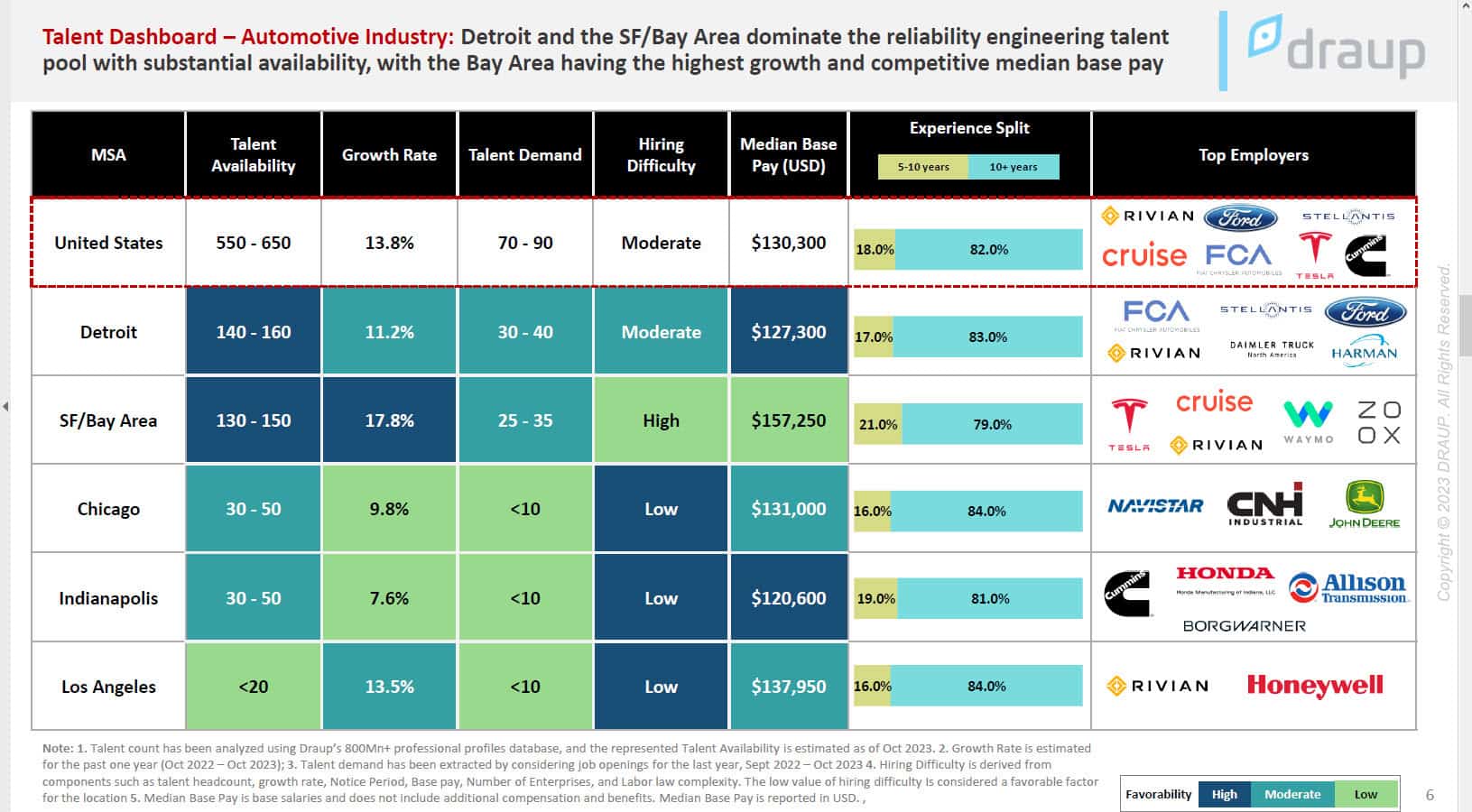 观点
观点
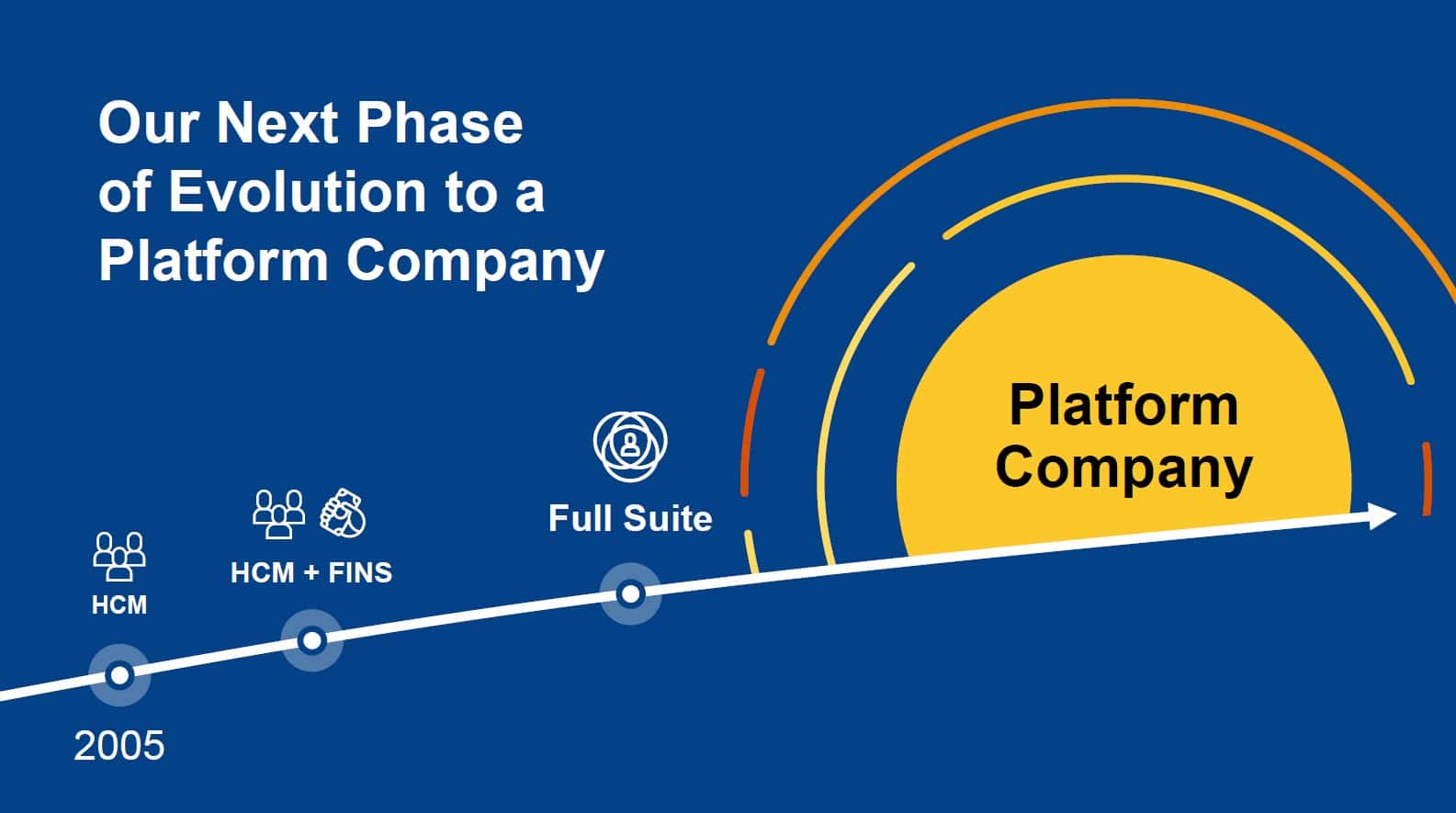 观点
观点
 观点
观点
 观点
观点
 观点
观点
 观点
观点
 观点
观点
 观点
观点
 观点
观点


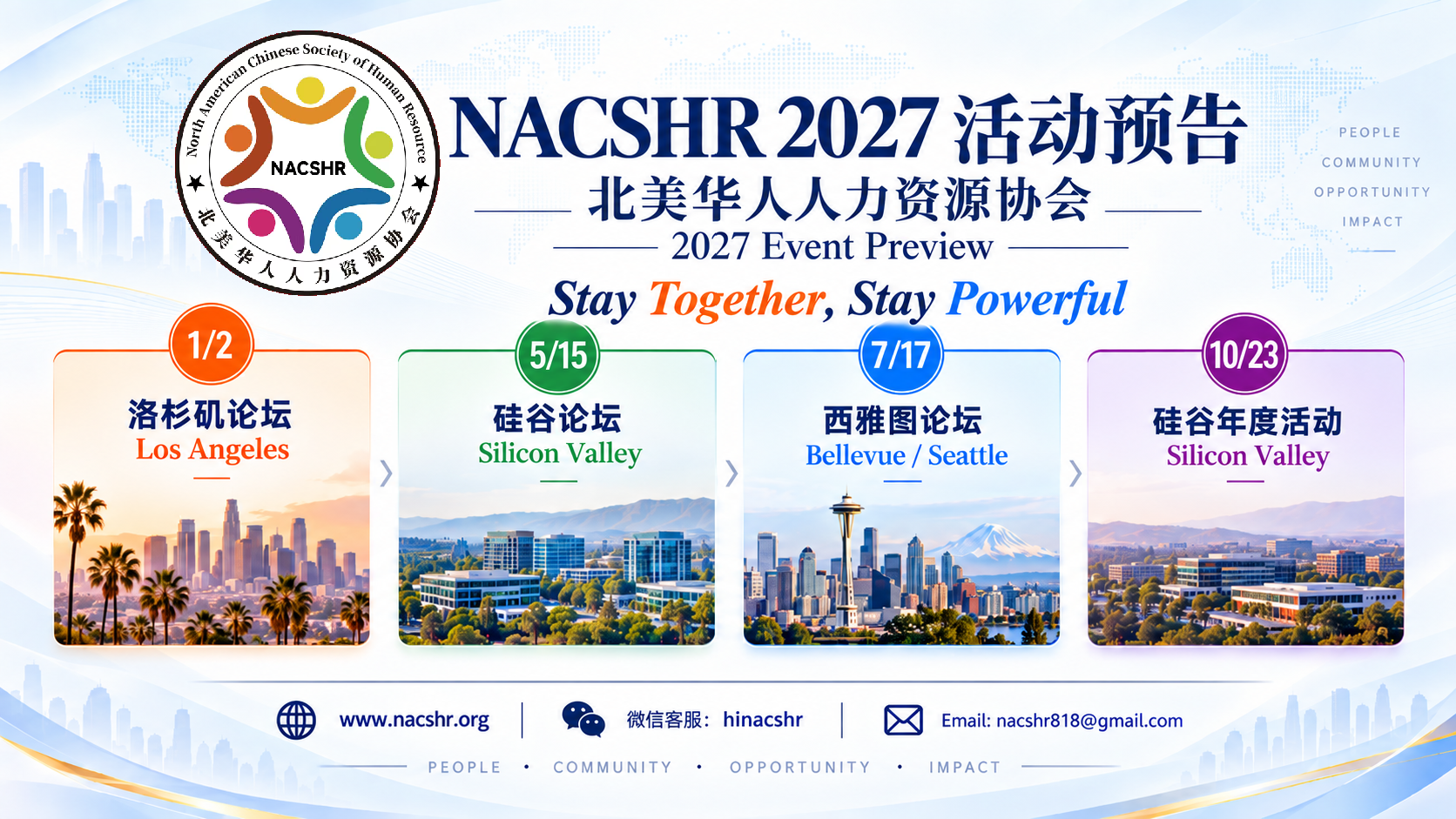

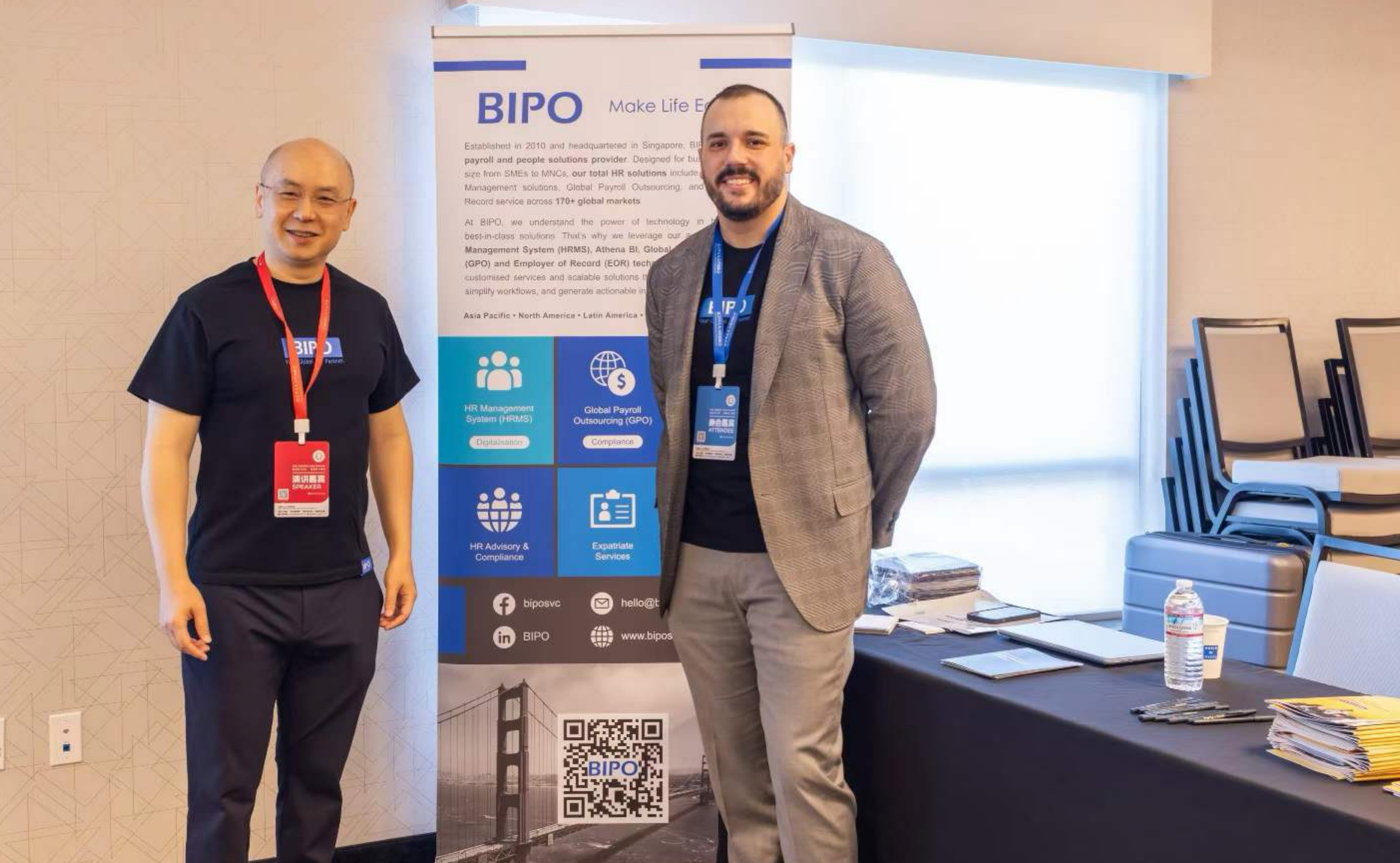
 扫一扫
添加客服
扫一扫
添加客服


