切换导航
头条
美国企业保险服务
HR科技资讯
北美HR岗位
报告下载
洛杉矶论坛
2027
登录
注册
头条
【解读】美国2027年平均加薪3.2%:真正考验HR的,不是“涨多少”,而是“给谁涨”
核心摘要:美国2027年加薪预算基本定调。Mercer对1,001家美国企业的最新调查显示,2027年平均绩效调薪预计3.2%,总薪资增长3.5%,有望连续第四年保持温和增长。科技行业最高,High Tech达到3.8%;Consumer Goods只有2.9%。与此同时,企业预计仅晋升8.4%的员工,低于2025年的9.9%,但仍有64%的企业计划进行年度周期之外的临时调薪。另一个值得关注的变化是AI:70%的企业已经在薪酬职能中使用某种自动化,53%用于市场薪酬定价,50%用于调薪建议,但真正达到高级AI转型水平的只有1%。未来薪酬竞争不一定是谁“加得更多”,而是谁能把有限预算更精准地投向关键岗位、关键技能和高人才风险群体。 随着企业进入2027年度预算规划周期,美国薪酬市场的第一组重要基准数据已经出炉。 Marsh最新发布的 July 2026 Mercer QuickPulse® US Compensation Planning Survey显示,在参与调查的1,001家美国企业中,2027年平均绩效调薪(merit increase)预算预计为 3.2%,包括绩效调薪、晋升、生活成本及其他基本工资调整在内的总薪资增长(total salary increase)预计为 3.5%。 如果最终预算基本维持这一水平,美国企业将连续第四年保持相对稳定、温和的薪酬增长。 对于正在北美工作的华人HR,以及越来越多负责中国企业北美团队的人力资源管理者而言,这组数据背后传递出的信号,比“明年平均涨薪3.2%”本身更加重要。 美国薪酬市场正在从“普遍加薪”进入“精准加薪”阶段 疫情之后,美国劳动力市场一度出现激烈的人才竞争,企业通过大幅调整工资、签约奖金和跳槽溢价争夺人才。但过去几年,随着劳动力市场逐渐恢复稳定,企业薪酬预算也开始重新回归理性。 Mercer数据显示,2027年3.2%的merit increase和3.5%的total increase,与过去几年的实际水平大致相当。Mercer因此判断,美国企业正在进入连续第四年的温和薪酬增长周期。 但对于HR来说,最容易出现的误解是:既然市场平均是3.2%,是不是明年给员工统一按照3%左右加薪就可以? 答案显然不是。 Mercer今年的数据反而说明,企业越来越需要避免简单的“平均主义”。 2027年High Tech行业预计平均merit increase达到 3.8%,Banking为 3.7%,Energy、Insurance/Reinsurance以及Non-Financial Services均达到 3.6%。相比之下,Consumer Goods只有 2.9%,Healthcare和Retail均为 3.0%。 同样是美国市场,不同行业之间已经存在接近1个百分点的差距。如果进一步拆分到地区、岗位、技能、绩效和员工当前工资相对于市场的位置,实际合理的调薪幅度差距还可能更大。 因此,对北美HR而言,3.2%应该被理解为市场benchmark,而不是员工个人的“标准答案”。 对华人HR尤其重要:不要把“3.2%”直接变成公司的统一调薪政策 这一点对于服务中国企业北美业务的HR尤其值得注意。 很多刚刚进入美国市场的企业,在制定薪酬预算时容易延续总部思维:公司确定一个年度增长比例,再由各部门按照统一预算执行。但美国薪酬市场本身高度市场化,同样一个3.5%的总预算,如何分配往往比预算本身更加重要。 假设一家公司整体薪酬预算增长3.5%,并不意味着每位员工都获得3.5%。 一些市场薪资已经明显偏高、绩效普通或者岗位人才供给充足的员工,可能只有很低的调薪,甚至不调整;而对于关键技术岗位、薪资明显低于市场、职责快速扩大或者存在较高离职风险的员工,公司完全可能给予明显高于平均水平的调整。 Mercer在今年的调查中也特别强调,在薪酬预算有限的情况下,企业应该更加针对性地配置薪酬资金,将有限的预算投向人才需求和人才风险最大的地方。 这意味着2027年HR需要回答的问题正在从: “我们公司今年涨多少?” 转向: “哪些人应该涨?” “为什么是这些人?” “应该涨多少?” “我们有什么数据证明这个决定合理?” 这实际上对HR的专业能力提出了更高要求。 晋升机会正在减少,但企业仍然愿意为关键人才“随时加薪” 另外一组非常值得关注的数据来自员工晋升。 Mercer预计,2027年美国企业平均只有 8.4%的员工会获得晋升,低于2026年的8.6%,也明显低于2025年的9.9%。 这背后反映的可能并不只是“企业不愿意给员工升职”,而是组织正在变得更加谨慎。企业减少组织层级扩张、控制headcount,同时重新思考管理岗位和职业发展路径。 但另一边,64%的企业表示已经进行或计划在2027年进行off-cycle salary adjustments,也就是年度正常调薪周期之外的临时工资调整。 这两组数据放在一起看非常有意思。 企业可能不再轻易通过“升职”解决人才问题,但如果某个员工出现市场薪资倒挂、职责明显扩大、关键人才流失风险或者特殊技能价值提升,公司仍然愿意单独调整薪酬。 Mercer进一步发现,41%的企业现在根据实际情况随时进行晋升,而不是只在固定的年度窗口统一晋升。最常见的晋升原因包括员工承担了更多职责,或者岗位发生实质性变化并进入新的grade。 对于HR来说,这意味着过去“一年一次Performance Review + 一年一次Merit Increase”的传统模式正在被打破。薪酬管理正在逐渐变成一个全年持续进行的人才管理过程。 2027年做薪酬预算,HR至少应该准备四个维度 对于正在准备2027年预算的北美华人HR,NACSHR建议不要只准备一张“员工姓名+现有工资+建议涨幅”的Excel。 更成熟的薪酬讨论至少应该同时考虑四个维度。 第一是 Market Position。员工目前的工资在当地市场处于什么位置?是低于市场25分位数、接近中位数,还是已经明显高于市场? 第二是 Performance。员工过去一年的实际绩效和业务贡献如何?如果高绩效和普通绩效最终只相差0.5个百分点,绩效薪酬的激励意义实际上非常有限。 第三是 Criticality & Skills。这个岗位对公司未来战略的重要程度如何?相关技能在市场上是否稀缺?特别是在AI、工程、数据、销售以及一些专业岗位上,统一使用公司平均调薪比例可能无法真实反映人才市场。 第四是 Retention Risk。哪些员工一旦离职,会造成较高招聘成本、业务中断或者客户流失风险? 真正成熟的薪酬预算,应该是把这几个维度叠加起来,再决定有限的预算应该如何分配。 这也正是今年NACSHR年度论坛希望和北美HR同行进一步讨论的问题。 9月26日,2026北美华人人力资源年度论坛将在 Silicon Valley 举行。围绕当下北美企业最实际的人才管理挑战,现场议题也将涉及薪酬管理、人才策略、组织发展以及全球化用工等内容。 对于很多HR来说,Mercer告诉我们的只是“市场平均是多少”,但真正困难的问题往往发生在企业内部:高绩效员工应该和普通员工拉开多大差距?市场薪资倒挂应该如何调整?晋升预算和merit budget应该如何分开?总部预算有限时,美国团队如何解释本地市场差异? 这些问题很难只靠一份调查报告得到答案。 NACSHR更希望在年度论坛现场,把不同企业、不同规模、不同发展阶段的HR放在一起,讨论大家2027年真正正在面对的问题,听听同行是如何制定预算、如何和管理层沟通,以及哪些方法真正能够落地。 AI开始进入薪酬决策,但真正成熟的企业只有1% 今年Mercer调查还有一个非常值得HR关注的变化:AI和自动化开始正式进入Compensation。 调查显示,70%的美国企业已经在薪酬职能中采用至少某种程度的自动化。其中,53%应用于market pricing recommendations and benchmarking,50%应用于salary increase recommendations,49%用于job matching and leveling。 这其实非常符合薪酬管理本身的特点。 市场薪资匹配、岗位benchmark、job leveling、薪酬区间比较以及调薪matrix,本身就包含大量结构化数据和重复分析,非常适合AI处理。 但值得注意的是,在所有受访企业中,只有 **1%**认为自己的薪酬职能已经达到advanced transformation水平。 Mercer认为,目前阻碍AI真正改变薪酬管理的主要问题,并不是企业没有兴趣,而是 governance、data quality和system integration。 这也是HR在AI时代经常被忽视的问题:AI本身可能并不是最大的难题,真正的问题是企业有没有一套干净的Job Architecture,有没有清楚的Level,有没有统一的薪酬数据,以及不同HR系统之间的数据能不能连接起来。 没有这些基础,AI最多只能帮助HR更快地处理Excel,而无法真正提升薪酬决策质量。 对于出海企业,2027年更需要建立“美国本地薪酬逻辑” 对于越来越多进入美国市场的中国企业而言,Mercer这组数据还有一个更重要的提醒:北美团队的薪酬管理不能简单按照中国总部预算逻辑执行。 美国员工会同时比较岗位市场价格、同行工资、地区差异、职业发展机会和内部公平性。 尤其对于规模还不大的美国团队,可能只有20、30或者50名员工,但每一个关键岗位对业务的影响都很大。此时,与其追求一套非常复杂的全球薪酬体系,不如首先把几个基础问题做好:建立清晰的Job Level、确定当地薪酬benchmark、明确Salary Range、检查内部薪酬公平,并建立合理的年度与off-cycle调整机制。 对于负责中美两地业务的华人HR而言,还有一个经常被低估的能力,就是“翻译”。 这里说的不是语言翻译,而是把美国的人才市场逻辑、薪酬数据和劳动环境,翻译成总部管理层能够理解的商业语言。 为什么美国工程师不能按照总部统一涨幅执行?为什么某个岗位必须做market adjustment?为什么一个员工没有升职,却需要调整8%的工资?为什么美国团队需要保留off-cycle adjustment预算? 能够把这些问题解释清楚,本身就是全球化HR的重要专业价值。 同时也需要提醒在加拿大工作的HR:此次Mercer QuickPulse调查针对的是 美国市场的1,001家企业,美国的3.2%不能直接作为加拿大企业的薪酬预算标准。跨国HR在制定薪酬政策时,仍然需要分别参考美国、加拿大以及具体地区和岗位的当地市场数据。 NACSHR观察:未来HR的价值,不是帮助公司“算加薪”,而是帮助公司“投资人才” 从2027年的薪酬预算趋势来看,美国企业已经基本告别疫情后依靠普遍加薪抢人的阶段。 3.2%的平均merit increase看起来没有太大变化,但它背后的管理逻辑正在发生变化。 企业开始减少普遍性晋升,更频繁使用off-cycle调整;行业之间的薪酬预算进一步分化;Skill Development和Market Competitiveness的重要性上升;AI开始参与market pricing、salary recommendation和job leveling。 这意味着Total Rewards正在从过去相对独立的“薪酬管理职能”,逐渐变成人才投资决策的一部分。 未来真正优秀的HR,不只是能够告诉CEO: “市场平均涨薪3.2%。” 而是能够进一步回答: “我们有3.5%的预算,应该把其中的大部分钱投资在哪些人身上,为什么这样投资,以及如果不这样做,公司面临什么样的人才风险。” 这可能才是2027年美国薪酬趋势带给北美华人HR最重要的启示。 而这些问题,也很难在办公室里独自找到标准答案。 **9月26日,NACSHR希望在2026北美华人人力资源年度论坛现场,和更多北美华人HR面对面,把这些真实的问题摆到桌面上讨论。**薪酬怎么定、人才怎么留、AI怎么进入HR工作、全球化组织如何真正落地——与其只看趋势,不如听听不同企业的一线HR正在怎么做。 在变化越来越快的HR环境里,数据可以告诉我们市场发生了什么,而真正有价值的同行交流,往往能帮助我们理解下一步应该怎么做。(论坛地址:https://nacshr.org/Public/html/926.html ) 来源: Marsh / Mercer QuickPulse® US Compensation Planning Survey,August 31, 2026。调查覆盖美国1,001家组织、15个行业。 关于NACSHR: 北美华人人力资源协会(NACSHR)持续关注北美劳动市场、薪酬福利、组织发展、AI与HR科技以及企业全球化过程中与华人HR密切相关的趋势与实践,连接北美华人HR专业人士,促进经验分享与专业成长。
头条
2026年08月31日
头条
NACjob升级北美华人专业招聘平台:从人才招聘出发,连接企业落地北美的完整HR服务
随着越来越多中国企业在美国、加拿大设立团队、拓展销售网络、建立供应链和本地运营体系,“如何在北美找到合适的人”正在成为企业落地过程中最现实、也最迫切的问题之一。 企业真正需要的,往往并不只是一个可以发布职位的网站。 进入北美后,企业面对的是一整套更加本地化的人力资源问题:在哪里找到既了解北美商业环境、又能够理解中国总部的专业人才?如何招聘具备中英双语能力和跨境业务经验的人?职位描述、薪资信息和招聘流程如何符合当地要求?员工入职后如何配置 Payroll、Workers’ Compensation、员工健康保险和福利?核心管理人员赴美,又可能涉及签证与移民安排。 与此同时,对于已经生活和工作在北美的华人专业人士而言,LinkedIn、Indeed 等大型招聘平台提供了海量职位,却很难专门解决另一类需求:哪些企业真正需要中文能力?哪些职位重视中国市场经验?哪些机会需要同时理解北美职场与跨境业务? 正是在这两端需求不断增长的背景下,NACjob.com 正在进一步升级为面向北美华人专业人才与企业雇主的本地专业招聘平台。 一个更懂北美华人专业人才的招聘入口 NACjob 的定位并不是成为另一个覆盖所有职位的综合 Job Board,而是更加聚焦专业岗位和企业人才需求。 平台重点服务 HR、Finance、Accounting、Operations、Sales、Business Development、Supply Chain、E-commerce、Engineering、Compliance 等企业专业职能,同时连接具备中英双语沟通能力、中国市场经验、北美工作经验以及跨境业务背景的人才。 对于企业而言,这种定位意味着招聘渠道更加聚焦。 很多出海企业真正难招的,并不是普通意义上的“一个员工”,而是能够同时理解总部与北美业务的人:既能够在美国本地工作环境中完成专业职责,又能够与中国团队进行高效沟通;既理解当地市场,又了解中国企业的组织方式和业务节奏。 这些人才分散在不同公司、城市和专业领域中,单纯依靠大型招聘网站、微信群或者个人推荐,招聘效率往往并不稳定。 NACjob 希望建立的,正是这部分专业人才与企业之间更加长期、结构化的连接。 企业免费发布职位,让真实招聘需求先进入市场 目前,企业可以通过 NACjob 免费发布职位。 企业只需要提交公司、职位、地点、联系方式等核心信息,职位经过平台审核后即可上线,并获得独立职位页面,方便企业通过微信、LinkedIn、小红书以及其他社交媒体进一步传播。 NACjob 的职位发布流程同时加入基础招聘信息检查,包括职位所在法域、薪资信息、雇用类型以及招聘表达等内容,帮助企业提高职位信息的完整度和专业度。职位提交后目前通常在 1–2 个工作日内完成审核。 企业无需先购买招聘套餐,也不需要先启动猎头项目。 先发布真实职位,再根据招聘难度决定是否需要进一步推广、人才寻访或者招聘支持。 这是 NACjob 希望建立的一种更加轻量、更加符合企业实际招聘流程的模式。 企业免费发布职位: https://www.nacjob.com/post-job 不仅让企业找到人才,也让华人专业人士更容易找到真正适合自己的机会 NACjob 的另一端,是北美华人专业人士。 平台正在持续聚合企业直招、招聘机构以及精选专业职位,并重点展示薪资、地点、Remote / Hybrid / On-site 工作模式、Mandarin Requirement,以及 H-1B、OPT / CPT、TN Visa 等候选人高度关注的信息。 对于专业人士而言,这种信息结构能够减少大量无效沟通。 一个需要 Mandarin 的岗位,与一个完全不要求中文能力的岗位,本质上对应不同的人才市场;一个重视中国供应链经验的 Operations 职位,与一个普通美国本地运营职位,也可能需要完全不同的职业背景。 NACjob 希望让这些差异在职位发布阶段就被更清楚地表达出来。 候选人除了浏览具体职位之外,也可以加入 NACjob Talent Network。即使当前没有明确换工作的计划,也可以进入专业人才网络,在未来出现更加匹配的机会时建立连接。 对于出海企业,招聘只是北美落地的第一步 NACjob此次进一步明确平台定位,一个重要变化是:不再把企业需求只理解为“招聘”。 一家企业真正进入美国后,招聘通常只是整个 HR 基础设施建设的起点。 第一名员工入职之后,企业很快就会面对 I-9、Payroll、Workers’ Compensation、员工健康保险、Dental / Vision、Employee Handbook、薪资与工时要求、不同州的劳动法规,以及 PEO / EOR 等一系列问题。 因此,NACjob依托 NACSHR 北美华人人力资源生态及专业合作伙伴网络,正在把招聘入口进一步连接到企业北美落地过程中常见的人力资源服务。 目前,NACjob 企业服务体系已经将 Recruiting、Compliance、Insurance 等服务纳入企业服务入口,并可进一步连接 PEO、Payroll、员工福利等相关专业服务。 对于进入美国市场的企业,这意味着一个更加实际的逻辑: 找到人只是第一步,真正的本地化,是把员工合规地雇下来,并让团队能够稳定运营。 招聘之外,连接合规、员工福利与企业保险 美国的人力资源管理具有明显的州级差异。 企业在 California、Texas、New York 或其他州招聘员工,涉及的工资工时、薪资透明、休假、员工分类以及其他劳动法规并不完全相同。 通过 NACSHR 相关企业服务体系,企业可以进一步连接美国用工合规工具与专业服务,包括 I-9、工资工时、薪资透明度等常见问题。NACjob目前也已将合规服务作为企业招聘之后的重要服务入口。 员工正式加入团队后,企业还需要面对另一项高度实际的问题——保险和福利。 员工 Medical、Dental、Vision 等福利方案,以及 Workers’ Compensation、General Liability、EPLI 等企业保险,并不是单独存在的采购项目,而是企业进入美国后 HR 与风险管理体系的一部分。 NACSHR 目前已经提供相关员工福利与企业保险咨询入口,帮助企业根据所在州、员工人数、预算和业务情况评估方案。 核心人员进入美国,还可能需要签证与移民支持 对于中国企业出海北美,人才问题也不仅发生在美国本地招聘。 很多企业同时需要安排创始人、高管、核心技术人员或管理人员赴美工作,这可能进一步涉及 L-1、EB-1A 等不同类型的签证及移民方案。 针对这类需求,NACSHR 已建立高管签证与移民优选服务入口,通过专业移民律师及合作机构为企业连接相关服务。 因此,NACjob未来面对企业的价值并不仅仅是: “这里可以发一个职位。” 而是: “企业准备进入北美、建立团队之后,可以从招聘开始,逐步找到下一项真正需要解决的问题。” 招聘、合规、Payroll、员工福利、企业保险、签证与专业服务,本质上属于同一条企业落地链条。 本地专业平台的价值,在于理解企业真正需要解决的问题 大型招聘网站解决的是规模问题。 NACjob更希望解决的是匹配和本地化问题。 对于一家需要招聘普通软件工程师的美国企业来说,大型招聘平台可能已经足够;但对于一家刚刚进入美国市场、正在寻找能够连接中国总部与美国团队的 HR Manager、Finance Manager、Operations Manager、Sales Manager 或 Supply Chain 专业人士的企业来说,需求明显更加具体。 企业不仅需要一个 Candidate。 企业需要的是一个能够在当地真正把事情做起来的人。 同样,华人专业人士需要的也不仅仅是更多职位,而是能够真正理解自己语言能力、专业经验和跨文化背景价值的职业机会。 这正是 NACjob 希望持续建设的市场。 从一个职位开始,建立企业与北美专业人才之间更长期的连接 NACjob 将继续围绕两个核心用户发展平台。 一端是正在美国和加拿大招聘的企业 HR、Hiring Manager,以及正在进入北美市场的中国企业。 另一端是在北美工作的华人专业人士、中英双语人才和拥有跨境经验的专业人才。 平台将招聘作为双方建立连接的第一入口,同时通过 NACSHR 的本地专业网络,将企业进一步需要的合规、员工福利、保险、PEO / Payroll、签证与其他专业服务逐步连接起来。 对于企业而言,最简单的开始仍然是一条真实的招聘需求。 企业可免费发布职位: https://www.nacjob.com/post-job 了解 NACjob: https://www.nacjob.com NACjob|北美华人招聘平台Chinese Jobs in North America 连接北美企业与华人专业人才,也连接企业真正落地北美之后需要解决的一系列人力资源问题。
头条
2026年08月28日
头条
提案全文发布:H-1B又要涨到10万美元?DHS拟对美国境内新Cap申请加收$103,265
核心摘要:美国国土安全部DHS正式提出H-1B新收费方案:未来所有新的cap-subject H-1B申请拟额外收取$103,265,包括美国境内F-1/OPT首次转H-1B的申请。该费用不适用于一般Transfer、Extension及Cap-Exempt申请。DHS预计每年可筹集约88亿美元,但中小企业和Startup可能受到明显冲击。目前规则仍处于Proposed Rule阶段,尚未生效,公众意见截止至2026年9月24日。 美国H-1B政策正在迎来一次可能远超普通“签证费上涨”的结构性变化。 8月25日,美国国土安全部(Department of Homeland Security,DHS)正式发布《Fee for Certain H-1B Petitions》Notice of Proposed Rulemaking(NPRM)。根据完整提案,DHS计划对所有新的 H-1B cap-subject petitions 额外收取 $103,265,包括美国硕士及以上学历对应的 advanced degree exemption 申请,而且这笔费用将在现有H-1B相关申请费用之外单独收取。 公众意见截止日期为 2026年9月24日。目前这仍然只是一项 Proposed Rule,尚未正式生效。(官方提案链接 https://public-inspection.federalregister.gov/2026-17324.pdf ) 关键变化:收费标准从“人在境外”转向“是否属于Cap新申请” 此前引发巨大争议的 $100,000 H-1B payment 来自 Presidential Proclamation 10973,其核心逻辑主要与部分H-1B人员从美国境外进入美国有关,因此很多已经身处美国、通过F-1、OPT等身份转换H-1B的人,并不是此前政策影响的主要对象。 这一次DHS采取了不同的政策路径。 新提案明确规定,$103,265适用于所有 H-1B cap-subject petitions,包括20,000个美国硕士及以上学历 advanced degree exemption 对应的申请,而不是按照申请人目前人在美国还是海外来区分。 这意味着,一个已经在美国大学毕业、目前持F-1身份并通过OPT工作的国际毕业生,如果企业首次为其提交占用年度H-1B Cap的申请,也可能进入这项收费范围。 换句话说,未来判断是否需要支付这笔费用,关键问题可能不再是“这个人现在是否已经在美国”,而是: 这是不是一份新的 cap-subject H-1B petition? 这也是此次提案对美国高校国际学生、OPT人才、科技企业以及Startup影响最大的地方之一。 但不是所有H-1B都要支付$103,265 这一点必须特别澄清。 DHS此次提出的新费用仅适用于 cap-subject H-1B petitions,并不适用于所有H-1B申请。 提案明确指出,cap-exempt filings不属于此次新增收费范围。符合相关法律规定的大学、与高校有关联的非营利机构、nonprofit research organizations以及governmental research organizations等,仍可能属于cap-exempt体系。 对于已经被计入过H-1B年度Cap的人,其后续通常进行的H-1B employer transfer、extension或部分amendment,只要属于法律意义上的cap-exempt petition,也不会因为这项新规再次承担$103,265的Cap费用。 因此,更准确的理解不是: “以后所有H-1B都要10万美元。” 而是: 企业首次把一名人才送入H-1B年度Cap体系时,可能需要额外支付超过10万美元。 美国每年的H-1B年度额度目前仍为85,000个,其中包括65,000个普通Cap名额,以及20,000个美国硕士及以上学历 advanced degree exemption 名额。 为什么恰好是$103,265?完整提案解释了计算逻辑 $103,265并不是一个象征性的“10万美元整数”。 DHS在完整提案中列出了计算逻辑。 政府希望通过这项新增费用回收约 $8.777 billion 的年度合法移民体系相关成本,再按照预计每年85,000份需要缴费的H-1B cap-subject petitions进行分摊。 按照这一模型计算: $8,777,488,035 ÷ 85,000 = $103,264.57 DHS最终将费用取整至: $103,265。 这意味着,这笔收费并不是在说“一份H-1B申请本身需要10万美元来审批”,而是DHS试图通过H-1B Cap申请,回收更广泛的美国合法移民行政体系成本。 接近88亿美元的收入,并不只用于USCIS 这是完整提案中最值得关注、也最容易被普通新闻忽略的一部分。 按照85,000份申请、每份$103,265计算,DHS预计每年可产生接近 $8.8 billion,也就是约88亿美元 的收入。 这些收入并不只用于USCIS。 根据提案中的成本分配模型,大约34.2%,即约30亿美元,与USCIS相关;约33.7%,即约29.6亿美元,与美国司法部旗下 Executive Office for Immigration Review(EOIR)相关;约13.8%,即约12.1亿美元,与Department of Labor相关;约11.9%,即约10.5亿美元,与ICE相关;另外还有一部分成本涉及Department of State以及CBP。 换句话说,企业未来支付的一笔H-1B Cap新增费用,并不只是承担USCIS处理I-129申请的行政成本,而是可能被用于支持移民裁决、劳工管理、身份审查、信息系统、领事处理、边境管理以及其他合法移民体系相关活动。 这也是此次政策在法律和政策层面最值得关注的部分之一。 DHS提出“Ability to Pay”:认为H-1B企业有更强支付能力 完整提案中还有一个非常值得HR和企业关注的政策逻辑: ability-to-pay principle。 DHS认为,与把额外成本平均分摊到所有移民申请人相比,提交H-1B Cap申请的企业通常具备更强的支付能力,因为企业本身就需要具备向专业人才支付H-1B工资的经济资源。 基于这一逻辑,DHS认为,让H-1B cap-subject petitioners承担更多合法移民体系成本,是一种可以考虑的收费方式。 这一观点未来很可能成为公众意见期以及潜在法律挑战中的重要争议点,因为对于大型科技公司和一家员工几十人的Startup来说,$103,265可能代表完全不同的经济影响。 DHS还引用研究讨论H-1B的企业经济价值 完整提案中,DHS还引用了经济学研究,用于讨论企业对H-1B人才的支付意愿。 提案引用的一项Borjas研究认为,在控制教育程度、年龄、性别、职业和地区等变量后,H-1B员工与统计意义上可比较的美国本土劳动者之间可能存在工资差异。 相关模型进一步讨论,如果企业认为H-1B员工能够带来足够的经济价值,那么即使一次性申请成本达到10万美元甚至更高,部分企业仍然可能愿意继续申请。 需要特别强调的是: 这属于DHS引用的特定研究和经济模型,并不能简单解读为“所有H-1B员工工资都比美国员工低”。 不同企业、行业、职业、城市和技能层级之间差异很大,这部分分析本身很可能成为未来评论和争议的重要焦点。 政策目的不只是收费,也可能是在主动改变企业招聘行为 此次完整提案透露出的一个重要信号是,DHS并没有把$103,265仅仅视为财政收入工具。 提案同时讨论了高额费用可能对企业H-1B需求产生的影响。 如果企业必须额外支付超过10万美元,那么在存在合格美国人才的情况下,一些企业可能不再愿意选择需要首次H-1B sponsorship的候选人;只有当某项技能足够稀缺、人才价值足够高,企业才可能继续愿意承担这一成本。 也就是说,高额费用可能通过价格机制改变企业的人才选择行为。 从HR角度看,这已经不仅仅是“签证费用上涨”,而是美国政府可能在通过H-1B成本结构重新塑造国际人才招聘市场。 Startup和中小企业可能受到最大冲击 DHS自己的 Regulatory Flexibility Analysis 也确认了这一风险。 根据完整提案,FY2025共有 28,649个不同主体 提交 initial cap-subject H-1B petitions。 其中,DHS识别出 14,541个small entities。 在这些small entities中,DHS估计有 11,051家,也就是约76%,其新增费用可能超过企业营业收入的1%,达到“significant economic impact”的标准。 这意味着,DHS实际上已经正式承认: 该规则可能对大量中小企业产生显著经济影响。 但是,目前提案并没有为Startup或中小企业设置较低费率。 如果Final Rule仍然保持当前设计,那么一家几十人的Startup与一家市值数千亿美元的大型科技公司,在首次申请一名cap-subject H-1B员工时,理论上都需要支付相同的$103,265新增费用。 这可能会进一步扩大大型企业与中小企业之间争夺国际人才的能力差距。 新$103,265与此前$100,000并不是同一笔费用 还有一个重要问题需要区分。 此次DHS提出的 $103,265 H-1B cap fee,与此前 Presidential Proclamation 10973 下的 $100,000 payment 并不是同一套政策。 两者的法律机制、适用条件和政策路径不同。 此次提案明确把$103,265设计为一个新的、独立的additional fee,并不会自动取代此前的$100,000 payment。 理论上,如果未来某一申请同时满足两套政策的收费条件,也可能出现两笔费用同时适用的问题。 不过,此前的$100,000 payment目前仍受到法院诉讼和上诉程序影响,其最终法律状态仍存在较大不确定性。 因此,现在还不能简单把两项政策相加,得出“未来H-1B一定要20万美元”的结论。 NACSHR观察:H-1B正在从签证问题变成企业的人才资本配置问题 如果最终规则按照当前版本落地,美国企业招聘国际人才的决策逻辑可能发生根本变化。 过去,HR讨论H-1B时主要考虑抽签概率、办理周期、律师费、工资标准以及身份风险。 但如果一次首次H-1B sponsorship额外增加$103,265,企业面对的问题将变成一项更加直接的投资判断: 这个人的技能和创造价值,是否值得企业额外支付超过10万美元? 对于AI Research Scientist、芯片研发、顶尖工程师、生物科技科学家等高度稀缺岗位,企业可能仍然愿意承担这一成本,因为人才创造的价值远高于10万美元。 但对于年薪8万、10万或12万美元左右的普通专业岗位,如果企业需要额外支付超过10万美元才能完成首次H-1B Cap sponsorship,整个招聘经济模型就会发生变化。 Startup和中小企业受到的影响可能尤其明显。 从长期来看,如果H-1B年度Cap仍维持85,000个,而企业申请数量因为成本大幅上升而下降,那么H-1B制度甚至可能从过去的: “谁能抽中?” 逐渐转向: “哪些企业愿意先支付足够高的价格进入抽签体系?” 这才是这项提案真正值得企业HR关注的地方。 目前尚未生效,企业现在应该做什么? 截至目前,这仍然只是一项 Notice of Proposed Rulemaking,并不是Final Rule。 公众意见截止日期为: 2026年9月24日。 之后DHS还需要审议公众提交的意见,并决定是否修改、推进或者最终发布Final Rule。 因此,企业现在并不需要按照$103,265支付新的H-1B费用。 但对于2027年及以后有国际人才招聘计划的企业,NACSHR建议HR、Talent Acquisition、Finance以及Immigration Counsel提前进行情景分析: 首先,需要梳理哪些员工未来属于首次H-1B Cap sponsorship;其次,需要区分哪些员工已经被counted against the cap;同时评估哪些岗位真正具有足够的人才稀缺性,能够支撑额外超过10万美元的招聘成本。 对于依赖美国高校F-1/OPT国际毕业生的人才战略,这一变化尤其值得提前规划。 H-1B正在从一个传统的Immigration问题,逐渐变成企业的 Workforce Planning、Talent Strategy和Capital Allocation问题。 NACSHR将持续跟踪DHS、USCIS、Federal Register以及相关法院的后续进展,为北美华人HR和企业提供最新政策信息。 来源:U.S. Department of Homeland Security / U.S. Citizenship and Immigration Services,《Fee for Certain H-1B Petitions》,DHS Docket No. USCIS-2026-0298,RIN 1615-AD20,FR Doc. 2026-17324,2026年8月25日。 特别值得关注的是,9月26日,NACSHR将在硅谷举办北美华人人力资源年度论坛。本次论坛特别邀请 Jacky(Jiaqi)Ji,Partner 律师,Ji Mobility Law 现场与北美华人HR及企业管理者分享交流,围绕当前最受关注的美国签证、H-1B政策、国际人才流动及企业用工相关热点进行分析与解读,并结合最新政策变化讨论企业与HR应如何提前做好人才与合规规划。对于正在关注H-1B、OPT、工作签证及国际人才招聘的HR和企业负责人,这将是一次非常有价值的现场交流机会。欢迎报名参加,与嘉宾和北美HR同行面对面讨论最新趋势与实务问题。报名链接:https://nacshr.org/Survey/EB107E0C-A678-9D12-06C3-2B5D860689B7
头条
2026年08月25日
头条
AI人才价格战彻底失控?顶级研究科学家新聘股权冲上5000万美元
NACSHR核心摘要:AI人才真正贵在哪里?可能不是工资,而是股权。Pave × Nua Group 最新报告显示,AI Research Scientist 新聘股权中位数最高已达 472万美元,部分湾区顶级公司的高级人才 P90 股权包甚至达到 4500万–6000万美元。更重要的是,AI Engineer、ML Engineer、Research Scientist 已经形成完全不同的人才市场。做招聘、薪酬和组织设计的HR值得看看这组数据。 当企业还在讨论“AI Engineer到底应该比普通软件工程师多付多少工资”时,AI人才市场本身已经发生了更深层次的变化。 Pave 与 Nua Group 最新发布的《The State of AI Talent: A Compensation & Workforce Report》基于 Pave 覆盖 9,000+ 家企业的实时薪酬数据库,对 15,000+ 名映射至AI和机器学习岗位的员工进行分析。Pave的数据通过企业 HRIS、ATS 和 Equity Management Systems 持续连接,并结合企业融资、规模和上市状态等信息进行分析。 从 NACSHR 的角度看,这份报告最值得关注的并不是“某些AI人才拿到了数千万美元股权”这样吸引眼球的数字,而是一个更重要的变化:AI人才正在从一个笼统的技术标签,演变成多个拥有不同岗位定义、人才供给、薪酬曲线和股权策略的独立人才市场。 AI人才已经不能再放在一个“AI Engineer”岗位里管理 过去几年,很多企业招聘AI人才时,常见做法是在 Software Engineer 基础上增加“AI”标签,然后适当提高薪酬。但 Pave 和 Nua Group 认为,这种方式已经越来越难以准确反映市场。 报告将技术人才从传统软件开发到前沿AI研究划分为五个连续层次:Software Engineer、AI-Capable SWE、AI Engineer、ML Engineer 和 AI Researcher。其中最容易产生混淆的是 Software Engineer 与 AI Engineer 之间的 AI-Capable SWE,这并不是一个已经高度标准化的独立岗位,因此在职位名称和 Level 判断上最容易产生混乱。 AI Engineer 与 ML Engineer 的差异则更加明确。AI Engineer 主要工作在 application layer,将现有模型和算法嵌入产品、API、基础设施和生产系统;ML Engineer 更靠近 model lifecycle,负责模型开发、优化、统计方法以及支撑模型运行的数据和工程管道。 实际人才结构也已经出现明显分层。在 Pave 数据库的AI/ML员工中,ML Engineering 占56.2%,AI Research Scientist占23.4%,AI Engineering占17.0%,Computer Vision Engineering占2.2%,MLOps Engineering占1.2%。 这意味着,对于企业HR而言,“我们要招聘AI人才”已经不是一个足够明确的人才需求。真正的问题应该是:企业究竟需要开发模型的人、优化模型的人,还是把模型转化为产品和业务能力的人? 基本工资并没有失控,真正拉开差距的是股权 AI人才薪酬市场最值得注意的一个现象,是基本工资和股权正在呈现完全不同的走势。 从 Base Salary 看,三个核心AI岗位族之间实际上相对接近。P6级别的中位基本工资中,ML Engineering为 $321K,AI Research Scientist为 $311K,AI Engineering为 $294K;到了M6管理级别,三者分别为 $347K、$340K和$304K。也就是说,在高级岗位上,ML Engineering的基本工资甚至高于AI Research Scientist。 真正出现巨大分化的是 Equity。 AI Research Scientist 的 P6 中位新聘股权达到 $4.09M,M6达到 $4.72M。相同P6级别,AI Engineering为 $1.48M,ML Engineering为 $1.60M;M6则分别约为 $1.12M和$2.02M。AI Research Scientist的股权价值已经超过另外两个岗位族两倍。 需要特别说明的是,这里的数字不是“年薪”。报告定义的是 New Hire Equity(Gross, Intended, Annualized),即新员工股权奖励的预期毛值年化价值。把“$4.72M”直接描述成“AI科学家年薪472万美元”是不准确的。 但这个数据仍然揭示了一个非常重要的趋势:企业争夺顶尖AI人才的主要竞争工具,正在从现金工资转向股权。 5000万美元级别的股权不是普遍行情,但顶端市场确实已经被重新定价 更加惊人的数字出现在报告第18页。 Pave针对一个非常具体的市场进行了筛选:AI Research Scientist、San Francisco Bay Area、私营企业、累计融资$1B–$5B+。在这个高度竞争的人才市场中,P6和M6级别90分位的新聘股权已经进入 $45M–$60M 区间,其中报告特别展示了 $51.4M 的90分位股权价值。 这个数字需要正确理解。 它不是“美国AI Research Scientist普遍可以拿5000万美元”,而是代表在旧金山湾区、融资规模达到数十亿美元、争夺最顶尖AI研究人才的少数私营科技企业中,企业为了赢得某个关键候选人,已经愿意突破传统薪酬体系的边界。 这也是为什么现在市场上不断出现顶级AI研究人员获得巨额 package 的新闻。这些案例不是普通市场价格,却已经成为顶端人才市场的真实价格信号。 人才越高级,AI Research Scientist的溢价越明显 另一个容易被忽略的问题,是三个AI岗位族本身的人才结构并不相同。 AI Engineering明显更加年轻,P1–P2初级人才占 23.97%;ML Engineering这一比例只有 9.13%,AI Research Scientist为 11.26%。相反,AI Research Scientist中P5–P6高级人才占比达到 22.76%,是三个岗位族中最高的。 这意味着AI Research Scientist薪酬更高并不仅仅是因为“Research Scientist”这个Title更值钱,而是因为这个岗位市场本身更集中于高级、稀缺并能够直接影响模型能力的专业人才。 而且股权差异随着Level提升迅速扩大。AI Research Scientist从P4开始明显拉开差距,到P6中位新聘股权达到 $4.09M,大约是其P1水平的20倍。 因此,对企业而言,AI人才成本真正危险的地方往往不是招聘一个普通AI Engineer,而是当业务突然决定需要一位能够改变产品、模型或技术路线的高级AI研究人才时,传统薪酬Band可能瞬间失去参考价值。 企业规模越大,AI岗位体系越开始专业化 AI人才的组织成熟度同样存在明显差异。 只有 12% 的1–99人企业拥有至少一名AI/ML人才,而在3,000人以上企业中,这一比例达到 91%。 管理体系的差距更加明显。在已经拥有AI/ML Individual Contributor的公司中,1–99人企业只有 17% 配备专门的AI/ML Manager,而3,000人以上企业达到 72%。很多中小企业的AI人才仍然由普通Engineering或Data Science负责人管理。 更值得关注的是大型企业正在快速拆分AI岗位。3,001人以上企业中,只拥有一种AI/ML Job Type的比例从2024年的 52.4%下降到2026年的19.0%;同期拥有三种及以上AI/ML Job Types的比例则从 14.3%提高到50.0%。 这反映出的不仅仅是招聘需求增长,而是 AI Job Architecture正在成熟。 过去企业可能只有一个“AI Team”,未来则会逐渐形成 Research、ML Engineering、AI Engineering、MLOps、Computer Vision等不同岗位体系,对应不同Level、Career Path、Compensation Band和Manager结构。 AI人才不仅贵,也更难留 企业面临的第二个挑战是Retention。 Pave数据显示,过去12个月AI/ML Individual Contributor的Turnover为 21.8%,而同一批企业Software Engineering为 16.8%;Manager层面,AI/ML为 22.6%,Software Engineering为 18.9%。报告中的Turnover同时包含主动和非主动离职。 这说明AI人才市场正在形成一个典型循环:外部市场价格快速上涨,新员工以更高价格进入,现有员工发现自己的市场价值变化,随后带来Retention、内部公平和薪酬压缩问题。 对于HR和Total Rewards团队而言,仅仅解决“Offer能不能发出去”已经不够,还需要同时考虑 New Hire Equity、Refresh Grant、Internal Equity以及关键人才Retention。 AI人才竞争仍然高度集中在美国,尤其是California AI人才市场的另一个现实是地域高度集中。 在Pave样本中,California集中了美国49.3%的AI/ML人才,其中大部分位于San Francisco Bay Area。 从全球看,美国拥有 57.3%的AI/ML人才,明显高于美国在全球Software Engineering人才中的44.8%占比。United Kingdom分别为6.3%和4.5%;India的情况正好相反,拥有全球13.2%的Software Engineering人才,却只有5.6%的AI/ML人才。 对于北美企业尤其是希望在湾区之外建立AI团队的公司,这意味着“Remote”并不会自动解决人才供给问题。真正成熟的AI人才池依然高度集中,地域竞争仍然会直接影响招聘周期和薪酬价格。 不是所有企业都应该和OpenAI式公司争夺Research Scientist Nua Group在报告最后提出了一个非常值得企业管理层关注的框架:Know Your AI Lane。 它把企业分成三种类型。 第一类是 AI Innovators。这类企业自己建设基础模型和核心AI基础设施,需要AI Research Scientist、ML Engineer和AI-Capable SWE。对于这类企业,现金薪酬可能直接脱离传统Band,而股权成为争夺核心人才的主要工具。 第二类是 AI Integrators。这类企业不是开发基础模型,而是把AI嵌入自己的产品中。核心岗位通常是AI Engineer,只有在需要深度模型定制时才大量使用ML Engineer,AI Research Scientist通常并不是必要岗位。 第三类是 AI Implementers。这类企业主要利用现有AI提高内部运营效率,往往需要AI Engineer和AI-Capable SWE,把现成模型接入企业流程和系统,而不是自己重新训练基础模型。 对应的薪酬策略也完全不同:AI Innovators往往需要突破标准薪酬Band,并使用大额新聘股权;AI Integrators可以采用标准薪酬Band加结构性AI Premium,并适度提高股权;AI Implementers则更多保持标准Band,只对少数关键岗位给予溢价和股权。 这可能是整份报告对大多数企业最有价值的提醒:不要因为AI很重要,就误以为每家公司都需要最昂贵的AI人才。 NACSHR观察:AI时代,HR首先要解决的不是“付多少钱”,而是“究竟在买什么能力” 过去企业面对人才短缺时,最常见的问题是:“市场P50是多少?我们需要付到P75还是P90?” AI正在改变这个逻辑。 企业首先需要完成Job Architecture:明确AI Engineer、ML Engineer和AI Research Scientist分别承担什么任务,什么情况下需要AI-Capable SWE,什么情况下才真正需要Research Scientist。岗位没有定义清楚,再精准的薪酬Benchmark也没有意义。 其次,HR需要把Cash和Equity作为两套不同的竞争机制管理。Pave的数据已经证明,Base Salary并不是顶级AI人才价格分化最大的部分,真正能够突破传统市场曲线的是Equity。 第三,AI人才Benchmark的更新速度必须高于传统岗位。报告最后建议Compensation Team把AI/ML Pay和Equity Band视为一个“moving target”,保持足够宽度,并比其他Engineering岗位更加频繁地重新审视。 最后,企业必须先回答一个战略问题:我们究竟是一家AI Innovator、AI Integrator,还是AI Implementer? 如果企业只是希望用AI改善客服、销售、HR、财务或内部运营,却按照顶级AI实验室的方式招聘Research Scientist,不仅会大幅增加人才成本,也可能出现“花了最贵的钱,却买错了能力”的情况。 AI人才市场正在进入新的阶段。下一轮企业之间真正的差距,不只是“谁愿意给更高的工资”,而是谁能够更准确地定义工作、识别关键能力、设计岗位体系,并把现金、股权和人才战略放在同一个框架中管理。 对于HR来说,这也意味着AI带来的变化已经从“如何招聘AI人才”,进一步进入了 Job Architecture、Compensation Design、Equity Strategy和Workforce Planning 的核心领域。 来源:Pave + Nua Group,《The State of AI Talent: A Compensation & Workforce Report》,2026年8月。
头条
2026年08月24日
头条
美国近期8项移民政策变化,HR需要注意什么?美国工作签证正在进入“高成本、高审查、高波动”时代
核心摘要:美国企业雇佣外国人才正在进入“高成本、高审查”时代。9月9日起,符合50/50标准的企业,部分H-1B和L-1申请分别增加$4,000和$4,500费用;另一项新的H-1B收费规则RIN 1615-AD20也已通过白宫OIRA审查,但金额尚未公布。与此同时,DHS正在研究取消60天Grace Period,EAD自动延期继续收紧,USCIS也强化了直接拒绝材料不足申请的裁量。注意:60天宽限期目前仍有效,H-4 EAD也没有被取消。对HR来说,签证已经不只是律师的事情,而正在成为招聘成本、员工留任、裁员和全球人才规划的重要风险变量。 过去几周,美国移民政策相关消息明显密集起来。 H-1B要增加新的费用、部分企业H-1B和L-1续签将增加数千美元成本、H-1B员工失业后的60天Grace Period可能被取消、USCIS可以在不发RFE的情况下直接拒绝申请、E-Verify开始扩大对失效EAD的监控,同时新的Public Charge规则和电子申请制度也正在落地。 如果分别看,每一条似乎只是一个移民政策变化。 但把这些政策放在一起看,会发现美国企业使用外国人才的制度环境正在发生一个更重要的变化: 移民合规正在从过去相对稳定的“签证申请管理”,转变为一个成本更高、审查更严格、身份变化更快,而且需要HR持续监控的Workforce Risk Management问题。 截至2026年8月21日,NACSHR对近期主要政策进行了梳理。尤其需要注意的是,有些政策已经正式生效,有些将在9月生效,还有一些仅处于拟议阶段,不能把它们混为一谈。 一、USCIS已经可以更直接地拒绝申请:不要再把RFE当成“补材料机会” 8月5日,USCIS发布Policy Alert PA-2026-05,重新调整关于证据、Request for Evidence(RFE)以及Notice of Intent to Deny(NOID)的审理政策。 最大的变化是,如果申请人在提交petition或application时没有提供规定的initial evidence,或者提交的材料本身不足以证明申请人符合资格,USCIS官员可以直接拒绝申请,而不必先发出RFE或NOID。 该政策自2026年8月5日起立即实施,并适用于当天仍在pending以及此后提交的申请。 这对企业最直接的影响是:以前部分HR和申请人会形成一种心理预期——材料如果不够完整,USCIS可能会先发RFE,再补充。 现在这种策略风险明显提高。 对于H-1B、L-1、O-1、EB-1、NIW以及其他employment-based petition,企业需要更加重视首次提交材料的完整性。岗位职责、组织架构、学历、工作经历、公司材料、第三方工作地点以及其他 supporting evidence,都应该尽量在第一次filing时形成完整证据链。 对于HR而言,“先交上去再补”越来越不应该成为移民申请管理方式。 二、部分H-1B和L-1企业续签成本确定上涨:9月9日起最高增加4,500美元 这是已经确定的政策,而不是拟议规则。 DHS于8月10日公布最终规则,扩大“9-11 Response and Biometric Entry-Exit Fee”的适用范围。 从2026年9月9日开始,如果一家美国企业: 在美国拥有至少50名员工,同时超过50%的美国员工属于H-1B、L-1A或L-1B身份,那么该企业在提交符合条件的H-1B或L-1 extension of status petition时,也需要支付额外费用。 H-1B额外费用为**$4,000**,L-1额外费用为**$4,500**。即使员工仍然为同一家企业工作、只是正常续签,也可能触发该费用。该收费目前预计持续至2027年9月30日。 必须强调,这并不是所有H-1B雇主都增加$4,000。 它主要影响美国员工数量达到50人以上、同时H-1B/L-1员工占比超过50%的所谓“50/50 employers”,因此对高度依赖H-1B人才的IT staffing、consulting和部分外包型企业影响尤其明显。 但其政策信号值得所有HR注意:H-1B正在越来越明显地变成一项需要单独预算管理的企业人才成本。 三、更大的H-1B新收费可能还在后面,但目前金额完全没有公布 8月19日,另一项名为 “Fee for Certain H-1B Petitions” 的DHS/USCIS拟议规则完成White House Office of Information and Regulatory Affairs(OIRA)审查。 规则编号为 RIN 1615-AD20。 这项规则被列为Economically Significant和Major,意味着其潜在经济影响可能相当大。Bloomberg Law确认,该提案已经完成白宫审查,下一步预计将公开拟议规则。 但是,截至8月21日,完整规则文本尚未公布。 因此目前还不知道: 新费用究竟是多少钱、适用于哪些H-1B petition、哪些企业需要支付、是否存在豁免,以及什么时候实施。 特别值得关注的是,这一动作发生在此前**$100,000 H-1B payment requirement**遭遇法院阻止之后。 2026年6月8日,联邦地区法院裁定相关实施政策违法并予以撤销;7月24日,First Circuit拒绝特朗普政府要求在上诉期间暂停该裁决的请求,因此目前这项$100,000 payment requirement不能继续执行。 新出现的RIN 1615-AD20是否意味着政府准备通过正式rulemaking重新设计类似收费机制? 目前不能这样下结论。 但是,从企业人才战略角度,这已经构成一个非常明确的watch item:未来H-1B sponsorship成本仍然存在继续上升的可能。 四、H-1B员工失业后的60天Grace Period,正在面临取消风险 这是最近最容易被误传的一条政策。 8月6日,DHS/USCIS将一项名为 “Eliminating the Discretionary 60-day Grace Period” 的拟议规则送交OIRA审查,编号为 RIN 1615-AD22。截至目前,该规则仍处于Proposed Rule阶段,完整文本尚未正式发布。 因此必须明确: 目前60天Grace Period并没有取消。 现行制度仍允许符合条件的部分employment-based nonimmigrant workers在雇佣关系终止后获得最长60天的grace period,具体还要受到I-94有效期等限制。这个窗口使H-1B等员工可以寻找新的雇主、提交change of status申请,或者安排离境。 如果未来DHS真的取消这一缓冲期,影响将非常大。 过去企业裁员一个H-1B员工,HR更多关注termination date、工资和福利结束时间;未来如果缓冲期消失,termination date可能几乎立即变成员工的immigration event。 这意味着企业在处理涉及H-1B、L-1、O-1等外籍员工的layoff、reorganization和reduction in force时,Global Mobility与HRBP、Legal之间需要更加紧密地协作。 五、E-Verify已经扩大监控范围:一张看起来还没过期的EAD,也可能已经失效 8月11日,E-Verify正式扩大Status Change Report的范围。 过去该报告主要覆盖C11 parolee类别失效的Employment Authorization Document(EAD)。 现在新增: C08:pending asylum applicant; C09:adjustment of status applicant; A12:已获得TPS; C19:TPS applicant。 也就是说,使用E-Verify的企业现在可以发现这些类别中已经被DHS认定失效的EAD。E-Verify表示,相关数据将每两周更新。 这里有一个非常重要的HR风险: 员工手上的实体EAD卡可能显示仍然在有效期内,但政府数据库中的authorization已经发生变化。 这意味着HR不能仅仅依靠卡片正面的expiration date管理工作许可。 如果员工出现在Status Change Report中,企业应该按照Form I-9规则检查员工是否拥有其他有效的employment authorization,并在需要时通过Supplement B完成reverification,而不是看到报告以后立即简单终止员工。 对于使用E-Verify的企业来说,Status Change Report应该逐步成为日常I-9 compliance process的一部分。 六、USCIS开始为“强制电子申请”建立制度基础 8月11日,DHS发布 Mandatory Electronic Filing (e-Filing) Interim Final Rule,RIN为1615-AD19,当天正式生效。 新规赋予USCIS权力,对于已经提供电子申请渠道至少180天的部分immigration benefit requests,未来可以要求申请人必须通过电子方式提交。 同时规则也设置了针对无法电子申请人士的waiver机制。 这并不意味着从8月11日起所有USCIS表格立即只能网上提交。 真正的含义是: USCIS已经获得一个制度性工具,可以逐步从paper filing转向mandatory e-filing。 对于大型企业、immigration counsel和Global Mobility团队,这意味着未来petition management将越来越数字化,企业账户权限、在线文件管理、提交记录和数据一致性都会成为新的操作风险点。 七、Public Charge规则9月18日正式变化,部分绿卡申请需要重新评估 另一个已经完成final rule、等待生效的重要政策是Public Charge。 DHS于7月20日公布最终规则,正式撤销2022年的Public Charge监管框架,并给予DHS官员更大的裁量空间,根据申请人的年龄、健康、家庭状况、资产、资源、财务情况、教育和技能以及其他相关因素进行“totality of the circumstances”判断。 新规则将在2026年9月18日正式生效,适用于当天及以后提交的相关adjustment of status申请和部分入境申请。 对于正在为员工办理employment-based green card的企业来说,这不意味着雇主需要替员工做Public Charge判断,也不意味着使用某项福利就一定无法获得绿卡。 但对于可能受到Public Charge规则约束的员工和家庭成员而言,个人财务状况、福利使用以及其他相关信息的重要性明显提高。 HR应该知道这一变化,并把具体个案交由合格的immigration counsel处理,而不是自行判断员工是否符合移民资格。 八、还有两个值得持续关注的信号:H-1B制度改革和H-4 EAD,但都还没有正式实施 除了上述政策,DHS的2026 Unified Regulatory Agenda中还出现了两个值得企业长期关注的方向。 其一是 “Reforming the H-1B Nonimmigrant Visa Classification Program”,RIN 1615-AD00。 政府计划重新审视cap exemption资格、加强对违反H-1B规定企业的审查,并加强third-party placement监管。该项目目前仍属于Proposed Rule Stage,并没有正式实施。 其二是 Removing H-4 Dependent Spouses From the Classes of Noncitizens Eligible for Employment Authorization,RIN 1615-AD14。 该政策方向是考虑取消部分H-4 spouse依据(c)(26)类别申请EAD的资格。 但截至目前,它仍然只是Long-Term Action,NPRM发布日期为 To Be Determined。 因此目前网络上所谓“H-4 EAD已经取消”的说法并不准确。 NACSHR观察:真正发生变化的,是企业使用全球人才的整个成本模型 如果把这些政策放在一起,会发现它们分别击中了外国员工生命周期中的不同阶段。 招聘阶段,H-1B资格、抽签机制和企业审查正在变化;申请阶段,USCIS提高首次材料完整度要求,并可以减少RFE;在职阶段,部分H-1B/L-1 extension开始增加额外费用;身份维持阶段,EAD automatic extension和E-Verify监管正在收紧;离职阶段,60天Grace Period可能被重新审视;长期留才阶段,Public Charge与employment-based green card又出现新的合规变量。 这意味着,未来企业不能再把immigration简单理解成: “有员工需要H-1B,就找律师办一下。” 它正在成为一项真正的Workforce Infrastructure。 对于依赖国际人才的科技、AI、半导体、生物医药、金融、咨询、高等教育和专业服务企业尤其如此。 企业HR现在至少应该做五件事情。 第一,建立完整的immigration workforce inventory,清楚知道公司目前有多少H-1B、L-1、O-1、F-1 OPT/STEM OPT以及EAD员工,他们的I-94、petition、EAD分别什么时候到期。 第二,把签证续签从“到期前处理”改为提前90至180天进行workforce planning,同时把政府费用、律师费用以及潜在的新H-1B收费纳入年度人才预算。 第三,对涉及外籍员工的layoff和termination建立独立SOP,在做出最终termination date之前,让HR、Legal和immigration counsel能够看到潜在身份影响。 第四,如果公司使用E-Verify,应明确由谁定期检查Status Change Report、谁负责I-9 reverification,以及出现invalidated EAD时如何与员工沟通。 第五,调整H-1B等petition的内部资料准备流程。在USCIS可以直接拒绝缺乏initial evidence的环境下,manager、HR、employee和immigration counsel之间的资料协作速度和完整度,本身已经成为申请成功率的一部分。 从HR管理角度来看,2026年最值得关注的并不是某一项H-1B费用到底是4,000美元还是100,000美元,而是美国移民政策正在明显从“便利全球人才流动”转向“更高审查、更强合规、更高成本和持续验证”。 对于企业来说,真正需要建立的能力不是预测每一条政策最终会不会通过,而是建立一套能够快速应对政策变化的Global Mobility和Immigration Risk Management机制。 未来,签证政策不再只是移民律师需要关注的事情。 它正在直接影响企业的人才获取、员工留任、裁员决策、人力成本以及全球人才布局。 NACSHR将持续关注H-1B、Employment Authorization、E-Verify、I-9、OPT/STEM OPT以及employment-based immigration相关政策变化,并从企业HR和全球人才管理角度进行跟踪解读。如果需要相关律师协助可以联系 NACSHR 推荐律师建议 详细可以访问:https://nacshr.org/Public/html/visaus.html 本文截至2026年8月21日,根据USCIS、DHS、Federal Register、OIRA及相关联邦法院公开资料整理,仅作为企业HR政策信息参考,不构成针对具体个人或企业的法律意见。
头条
2026年08月21日
头条
AI用得更多,却更加悲观:美国年轻劳动力对未来工作的态度正在逆转
美国年轻人正在出现一个值得HR关注的“AI悖论”:用AI最多的一批人,也正在成为最担心AI的一批人。Pew最新调查显示,30岁以下美国成年人中,55%对AI“担忧多于兴奋”,2021年只有31%;73%认为AI未来20年会减少美国工作岗位,2024年还是61%。但与此同时,18—29岁群体已有66%使用AI聊天机器人。 企业只培训员工怎么用ChatGPT、Copilot或Agent已经不够了。员工真正想知道的是:AI用了以后,我的岗位会怎么变?哪些任务消失?哪些能力变得更值钱?我的下一份工作在哪里?AI转型的下一站,可能不是工具,而是工作设计、职业路径与员工信任。 美国年轻人对人工智能的态度正在发生明显变化。 Pew Research Center最新调查显示,在18—29岁的美国成年人中,55%表示自己对AI“担忧多于兴奋”,这一比例在2021年仅为31%;与此同时,73%的年轻人认为,未来20年AI将导致美国工作岗位减少,高于2024年的61%。 值得注意的是,这并不是因为年轻人不会使用AI。另一项Pew调查显示,18—29岁美国成年人中已有66%使用AI聊天机器人。换句话说,最熟悉AI、使用AI最积极的一代,同时也正在成为越来越担心AI影响职业未来的一代。 AI使用率提高,不代表员工更加相信AI 过去两年,很多企业衡量AI转型时,重点关注员工是否使用ChatGPT、Copilot或各类AI Agent,以及AI培训覆盖率、使用频率和效率提升。 但新的问题正在出现:员工可能越来越会使用AI,却并不意味着他们对自己的职业未来更加乐观。 对于刚进入职场的年轻员工而言,这种焦虑尤其容易理解。当企业不断强调“AI可以让一个人完成过去三个人的工作”“AI Agent能够替代大量重复性任务”时,员工自然会进一步追问:减少的岗位究竟是谁?入门级工作是否还会存在?我的职业发展路径在哪里? 因此,AI Adoption并不等于AI Acceptance。企业如果只推动工具落地,却不解释岗位和职业路径的变化,AI越强大,员工的不确定感反而可能越强。 HR需要开始回答“工作将如何改变” 对于企业HR而言,下一阶段AI转型的重点不能只是继续增加AI培训课程,而需要进入更深层次的工作设计。 企业需要逐步讲清楚:哪些任务未来会被AI自动化,哪些工作将由“人+AI”共同完成,哪些能力会因为AI变得更加重要,以及员工应该如何完成能力升级。 尤其是在招聘、绩效、人才管理甚至组织调整开始越来越多使用AI之后,透明度和沟通机制会变得更加重要。如果员工无法理解AI如何参与企业决策,AI很容易从生产力工具变成新的“管理黑箱”。 年轻人的AI焦虑,本质上也是职业安全感问题 目前的数据并不能证明AI已经造成美国大规模直接裁员。Gallup的2026年调查中,在近期因裁员失去工作的受访者里,只有约1%明确将AI或自动化视为主要原因。 但这恰恰说明了另一个值得企业关注的问题:AI对现实岗位的影响,与员工对未来岗位的担忧之间正在形成明显的预期差。 企业不能简单告诉员工“AI不会取代你”,更有效的方式是告诉员工:你的哪些工作会改变,公司准备如何帮助你完成能力迁移,以及新的职业机会在哪里。 从NACSHR的角度来看,未来企业AI转型真正考验的,不只是技术部署能力,而是组织能否重新建立员工对未来工作的信心。 AI时代优秀的企业,不应该只是拥有更多AI工具,而应该让员工清楚看到:AI改变工作的同时,自己仍然拥有清晰的成长路径和新的价值空间。 来源:Pew Research Center、Gallup,2026年相关调查。
头条
2026年08月19日
头条
2027员工健康险续保前,别只盯涨幅:先做一次 Second Opinion,也重新看看你的 Broker
每到员工健康险续保季,很多企业最先关注的都是一个数字:今年保费涨了多少? 但对于企业负责人和 HR 来说,续保真正值得思考的问题其实不只是“涨了几个百分点”,而是:当前保险方案是否仍然适合员工?Employer Contribution 是否合理?Network、Deductible 和 Copay 有没有改善空间?现有 Broker 是否真正帮助企业提前准备、分析方案并处理日常员工福利问题? 2027 年员工健康险续保正在逐步进入准备期。NACSHR Insurance Services 推出免费的 Group Health Renewal Review / Second Opinion,希望帮助企业在正式做出续保决定之前,多获得一次独立的专业判断。企业无需先更换 Broker,也不需要一开始就准备完整的员工 Census,只需要从现有 Renewal Notice 和基本公司信息开始。 续保真正要回答的,不只是“涨了多少” 保险成本上涨当然重要,但企业最终要管理的是员工福利的整体价值。 一份 Renewal Notice 背后,至少还涉及当前 Plan Design、员工自付水平、Network 使用体验、Employer Contribution,以及是否存在值得进一步比较的替代方案。NACSHR 的 Renewal Review 会从这些维度帮助企业先做判断,再决定是否需要进入下一步 Quote 和 Proposal 比较。 如果当前方案已经合理,企业完全可以继续保持现有安排;如果确实发现明显的优化空间,再进一步比较市场方案。换句话说,Review 的目的不是为了“必须换保险”,而是让企业在续保前知道自己还有没有更好的选择。 这也是 Second Opinion 最重要的价值。 已经有 Broker,为什么还需要 Second Opinion? 很多企业其实并不是没有 Broker,而是已经习惯了当前的服务方式。 一年到了 Renewal,Broker 发来续保通知;企业看到价格变化,讨论几次方案,然后继续续保。整个过程看起来没有问题,但企业可能从来没有认真问过: 当前 Broker 是否提前帮助我们规划 Renewal? 除了续保之外,平时员工福利问题是否有人持续支持? 员工对 Network、Deductible 或 Plan Choice 有意见时,是否有人主动分析? 企业员工人数、州别或业务发生变化以后,福利方案有没有重新评估? 如果企业并不确定这些问题的答案,那么在下一次 Renewal 前获得一次 Second Opinion,本身就很有价值。 NACSHR 当前的 Renewal Review 不要求企业先终止现有 Broker 关系,也不要求先做 Broker of Record 变更。企业可以先了解当前方案和潜在选择,再决定下一步。 但有时候,该换的可能不是保险,而是 Broker 这也是我们希望企业在 2027 Renewal 前进一步思考的问题。 如果当前 Carrier、Network 和员工保险计划总体上都没有明显问题,但企业长期感觉 Broker 服务不够主动、沟通不足、缺少提前规划,或者 HR 在实际处理员工福利问题时得不到足够支持,那么企业未必需要第一时间更换保险方案。 更值得考虑的,可能是先更换服务关系。 更换 Broker 与更换保险计划并不是同一个决定。对于团体健康险,Broker 的变化主要涉及服务关系、后续管理以及谁代表企业协调 Renewal 和员工福利事务;企业并不一定因为更换 Broker,就必须同时更换当前保险计划。具体 Broker of Record 的要求、生效时间及操作流程,仍需要根据当前 Carrier、Administrator 和保险安排进行确认。 因此,NACSHR 正在建立另一条更直接的服务路径: 让 NACSHR 先接手你的续保服务,不必先换保险,提前准备 2027 续保。 对于已经对现有 Broker 服务不满意、希望下一次 Renewal 有人更主动参与的企业,可以先进行 Broker Transfer Check。我们会先了解企业当前 Carrier、员工人数、所在州和 Renewal Month,确认适用的 Broker 转换要求,再由企业决定是否正式授权 NACSHR 接手。 这意味着企业可以把两个决定拆开: 第一步,决定谁来为企业提供 Broker 服务。 第二步,再决定保险 Carrier、Plan 和员工福利方案本身是否需要调整。 这样做的好处,是企业不用为了“换 Broker”而被迫同时重新设计全部员工保险,也不用等到 Renewal Notice 已经摆在桌上时,才临时寻找新的服务团队。 NACSHR 希望接手的,不只是一次 Quote 我们希望建立的 Employee Benefits 服务,不是一年只在续保时出现一次。 当 NACSHR 接手企业员工福利服务以后,重点应该包括 Renewal Planning、计划与成本分析、员工福利相关沟通、Carrier 协调,以及在确有需要时帮助企业进一步比较不同方案。 尤其对于在美国经营的华人企业,很多 HR 和企业负责人面对的并不只是“买哪一个医疗保险”,而是员工增加、跨州用工、福利沟通、保险续保和日常 HR 管理交织在一起的实际问题。 因此,我们更希望扮演的是一个长期的员工福利服务伙伴,而不是单纯在续保季提供一个价格。 企业现在可以从两个入口开始 如果你目前只是想知道: “我的 2027 Renewal 是否合理?” “当前 Plan 有没有优化空间?” “我还不准备换 Broker,只希望先听一次不同意见。” 那么可以先申请 NACSHR 2027 企业员工健康险免费 Renewal Review。 第一步只需要 Renewal Notice,以及公司名称、员工人数、所在州和 Renewal Month。确认确实值得进一步比较后,再补充 Census、Current Benefits 等资料。NACSHR 当前设计的完整流程是:发送 Renewal Notice、提供基本信息、进行约 20–30 分钟 Review,需要时再补充资料,最后才进入 Quote 与 Proposal 比较。 如果你已经开始考虑: “现有 Broker 服务是不是不够?” “明年 Renewal 我不想再按照原来的方式处理。” “能不能让 NACSHR 接手,但现有保险先不要动?” 那么可以进一步进行 Broker Transfer Check。 先确认,再决定;先接手服务,再决定保险方案是否需要调整。 2027 Renewal,不要等到最后一个月才开始 越早了解 Renewal 状况,企业就越有时间判断当前方案、听取不同意见、比较市场选择,并安排后续员工沟通。NACSHR 当前也建议企业在收到 Renewal Notice 后尽早开始 Review,以便在需要市场比较、Enrollment 或员工沟通时保留充足的准备时间。 所以,今年我们希望给企业一个更简单的建议: 员工健康险续保前,先做一次免费的 Second Opinion。 让 NACSHR 先接手你的续保服务,不必先换保险,提前准备 2027 续保。 如果现有方案很好,我们会帮助你更有把握地继续;如果存在优化空间,我们再一起比较;如果真正需要改变的是 Broker 服务关系,那么也没有必要等到保险本身出现问题以后才行动。 先看清楚,再决定。先把续保的主动权拿回来。 申请 2027 企业员工健康险免费 Renewal Review: https://insurance.nacshr.org/renewal-review-2027 了解 NACSHR Broker Transfer / Broker 服务转换: https://insurance.nacshr.org/switch-broker NACSHR Insurance Services Employee Benefits · Business Insurance 本文仅提供一般性保险服务信息,不构成法律、税务或特定保险合同意见。Broker / Agent of Record 变更要求、生效时间及具体保险安排,应以相关 Carrier / Administrator 的正式规则和确认为准。
头条
2026年08月18日
头条
SHRM因劳动争议案件被判赔偿1150万美元,保险公司又把SHRM告上了法庭
NACSHR核心摘要:SHRM 的 $11.5M 种族歧视与报复案件又出现新剧情:这一次,起诉 SHRM 的是自己的保险公司。Twin City Fire Insurance 要求 Virginia 联邦法院确认,其无需承担原判决中的 $10M punitive damages。原案赔偿结构是 $1.5M 补偿性赔偿+$10M 惩罚性赔偿。保险公司的关键理由是,Virginia 法律允许为 negligence疏忽 导致的惩罚性赔偿投保,但排除 intentional acts 故意行为;而原陪审团已经认定 SHRM 存在 intentional discrimination or retaliation。SHRM 则表示保险公司此前已书面接受 coverage,保单应完整覆盖。对 HR 来说,这是很重要的一课:EPLI 可以转移风险,却不是企业违法行为的“无限兜底”。 很多企业买商业保险时都会有一个很自然的想法:既然已经买了保险,真出了事情,保险公司应该负责赔。但最近 SHRM 的一场官司,给所有企业上了一堂非常现实的保险课:买了保险,不等于所有损失都会赔;保额有1000万美元,也不等于这1000万美元一定拿得到。 更值得关注的是,这次陷入争议的并不是一家普通公司,而是全球最知名的人力资源专业组织之一 SHRM。作为长期研究劳动关系、人力资源管理和企业合规的专业机构,SHRM 自己卷入如此巨额的员工歧视诉讼,而且最终又和自己的保险公司打起了官司,这个案例对于企业老板、人力资源负责人以及负责企业风险管理的人来说,都非常有参考价值。 事情要从一名被解雇的员工说起 这起案件最早是一场员工与雇主之间的劳动争议。SHRM 的一名前员工 Rehab Mohamed 认为,自己在工作期间遭遇了种族歧视,并且在提出相关投诉以后遭到了公司的报复,最终被解雇。双方随后对簿公堂。 2025年12月,科罗拉多州联邦陪审团作出了一个非常重的判决:员工获得总计1150万美元赔偿,其中150万美元属于补偿性赔偿,另外高达1000万美元属于惩罚性赔偿。 这两个数字看起来只是赔偿金额不同,但在法律和保险层面,性质完全不一样。补偿性赔偿解决的是“企业的行为给员工造成了多少实际损失”,而惩罚性赔偿解决的是“企业的行为是否严重到需要额外处罚”。 也就是说,1000万美元不是简单地补偿员工损失,而是陪审团认为相关行为的性质严重,需要通过额外的大额赔偿起到惩罚和震慑作用。SHRM 目前仍然在对原判决进行上诉,因此1150万美元的最终结果还没有完全尘埃落定。 但接下来发生的事情,才真正值得所有企业关注。 SHRM其实买了专门针对员工诉讼的保险 SHRM 并不是没有保险。它购买了专门针对企业用工风险的雇佣行为责任保险EPLI。 对于美国企业来说,这是一类非常重要的商业保险。员工如果因为歧视、骚扰、不当解雇、报复等问题起诉企业,在符合保单条件的情况下,保险可能帮助企业承担律师费用、诉讼抗辩费用、和解金额以及部分赔偿。 因此很多企业看到这里可能会产生一个很自然的判断:既然 SHRM 已经买了这种保险,而且员工起诉的恰恰又是歧视和报复问题,那么保险公司赔不就行了吗? 问题恰恰出在这里。 负责承保的双城火险公司(Twin City Fire Insurance Co.)认为,150万美元的补偿性赔偿和1000万美元的惩罚性赔偿不能简单地放在一起处理。于是,保险公司反过来把 SHRM 告上了法庭,请求法院确认,自己不需要承担这1000万美元的惩罚性赔偿。 这意味着,原本的一场劳动争议,现在实际上已经演变成了两场完全不同的官司。 第一场官司解决的是:SHRM 是否对员工实施了歧视和报复,以及应该承担多少责任。 第二场官司解决的是:即使 SHRM 最终需要支付这些钱,到底应该由 SHRM 自己承担,还是由保险公司承担。 很多企业恰恰容易把这两个问题混在一起。 保险公司为什么认为1000万美元不应该由自己赔? 保险公司的理由其实并不复杂。SHRM 总部位于弗吉尼亚州,而相关保单涉及的法律适用问题,使弗吉尼亚州关于惩罚性赔偿保险的规定成为这场争议的核心之一。 弗吉尼亚州法律允许企业为由于疏忽,甚至某些严重疏忽导致的惩罚性赔偿购买保险,但对故意行为设置了明确限制。 这就产生了这起案件最核心的矛盾。 保险公司认为,原来的陪审团并不是简单认定 SHRM “管理出现失误”或者“工作做得不够好”,而是认定相关行为涉及故意歧视或者报复。既然属于故意行为,那么保险公司认为,这类惩罚本身就不应该通过保险完全转嫁出去。 这里背后的逻辑其实非常容易理解。假设一家企业明明知道自己的行为违法,却仍然故意这么做,法院最后为了惩罚企业判了1000万美元,但所有钱都由保险公司支付,那么原本用来惩罚企业的制度设计就可能失去意义。 这也是为什么惩罚性赔偿在美国保险领域一直是非常特殊的一类风险。不同州的法律规定并不完全相同,而且即使保单写了相关保障,最终能不能赔,也可能受到具体行为性质和适用法律的影响。 当然,SHRM 并不同意保险公司的观点。SHRM 表示,保险公司此前已经以书面形式确认接受相关保险责任,因此认为自己的保单应该提供保障,并要求保险公司履行合同义务。 所以目前不能简单地下结论说保险公司一定不用赔。这场新的保险诉讼仍然在进行中。 这件事真正值得企业学习的,不是1150万美元这个数字 如果只是把这件事理解成“SHRM 被员工告了1150万美元”,其实会错过这个案例最有价值的部分。 它真正提醒企业的是:保险不是出了事情以后才拿出来看的东西。 很多公司购买商业保险的时候,最关心的往往是几个最简单的问题:一年保费多少钱?保额是多少?能不能马上出保险证明给客户或者房东? 这些问题当然重要,但它们只是商业保险最表面的一层。 真正决定一家企业出了事情以后保险有没有用的,往往是保单里面那些平时很少有人认真看的内容。例如哪些行为属于保障范围,哪些行为明确排除,律师费用是否包含在总保额里面,和解是否需要经过保险公司同意,惩罚性赔偿是否保障,不同州法律发生冲突时按照哪个州处理,企业什么时候必须通知保险公司,以及公司的老板、董事、高管和普通员工分别是不是被保险人。 在没有事故的时候,这些问题看起来都不重要。但当索赔金额从几万美元变成几百万甚至上千万美元时,每一个定义、每一个除外责任、甚至一句法律适用条款,都可能决定最终由谁买单。 企业最危险的一句话,就是“我们有保险” NACSHR认为,这起案件给企业管理者和人力资源负责人最大的提醒,其实可以浓缩成一句话:不要只问“我们有没有保险”,而应该问“如果真的发生这个风险,我们现在这份保险到底怎么赔”。 这两个问题听起来非常接近,但本质完全不同。 尤其是在美国经营企业,用工本身就是企业最复杂的风险来源之一。招聘、解雇、绩效管理、员工投诉、性骚扰、歧视、报复、工资工时、管理者行为,每一个环节背后都可能同时存在人力资源风险、法律风险和保险风险。 真正成熟的企业风险管理,至少应该建立三道防线。 第一道防线是人力资源管理。企业有没有清晰的制度,管理者是否接受过培训,员工投诉有没有正式渠道,内部调查有没有完整记录,绩效管理和解雇有没有事实依据,这些都是最基础的风险控制。 第二道防线是法律和合规。当员工关系开始恶化,投诉出现升级迹象,或者企业准备进行高风险解雇时,应该及时判断法律风险,而不是等到正式收到律师函以后才开始处理。 第三道防线才是保险。保险的作用,是帮助企业把那些无法完全避免的风险进行财务转移,而不是替代企业的人力资源管理和合规体系。 这个顺序不能反过来。 为什么 NACSHR 要从人力资源视角重新理解企业保险 很多企业购买保险时,保险和人力资源是完全分开的。保险经纪人主要关心员工人数、营业收入、办公地址、业务类型和保额;人力资源负责人则负责招聘、绩效、员工关系和劳动争议。 但现实中的企业风险根本不是这样分开的。 一个员工被解雇的时候,看起来是人力资源问题;员工提出歧视或者报复投诉以后,它开始变成法律问题;员工正式起诉以后,企业需要支付律师费和潜在赔偿,它又变成保险问题;如果保险公司最后认为某些损失不属于保障范围,那么它最终又会回到企业老板和公司资产负债表上。 实际上,这是一条完整的风险链:人力资源管理 → 劳动争议 → 法律责任 → 保险理赔 → 企业财务损失。 这也是 NACSHR 推动企业保险服务时非常重要的一个出发点。 我们希望帮助企业,特别是在北美经营和发展的华人企业,不只是完成“买保险”这一步,而是从企业真实业务、员工结构、管理方式和用工风险出发,判断企业究竟面临什么风险,再决定应该配置什么样的保险。 对于企业来说,真正应该关注的也不只是保费便宜几十美元或者几百美元,而是保险方案是否真正覆盖自己的核心风险。例如企业有没有雇佣行为责任保险,高管和管理人员的行为是否在保障范围内,员工投诉和解雇风险有没有对应保障,律师抗辩费用如何计算,以及一旦出现重大劳动争议,企业自己最终可能承担多少风险。 真正好的保险,不是一张便宜的保单,而是一套能在关键时刻发挥作用的风险方案。 SHRM 这场1000万美元的保险争议还远远没有结束,但它已经提前给所有企业上了一堂非常昂贵的风险管理课。 一家企业真正需要的,不只是知道“我有保险”,而是要清楚:什么可以赔,什么不能赔,为什么不能赔,以及那些保险无法承担的风险,企业应该如何提前管理。 这也是 NACSHR 企业保险服务希望解决的问题。 从企业实际经营和人力资源风险出发,帮助企业理解风险、选择合适的保险、读懂关键保障和除外责任,让保险真正成为企业经营的一道安全网,而不是一份只有出事以后才打开的文件。 因为保险真正的价值,从来不是保单放进文件夹的那一天,而是在企业遇到最坏情况的时候,它到底还能不能站在企业这一边。 美国HR须知:企业为何要重视EPLI (雇主责任险),详情解读含视频 https://nacshr.org/3871.html
头条
2026年08月14日
头条
29万项Slack任务提醒北美HR:“Please”和“ASAP”并不能提升执行力!真正拖慢工作的,是任务设计
NACSHR核心摘要:管理者常用的“please”“ASAP”和多个感叹号,并不一定能让工作更快完成。中性直接任务的按时完成率为68.6%,包含“please”的任务为61.8%,标注“ASAP”或“!!!”的任务为62.3%。真正影响任务推进的,可能是更基础的工作设计:指定一名明确负责人、在共享频道公开任务、设置具体截止日期,并尽量在上午发出请求。同时采用四项习惯时,按时完成率达到78.4%,只采用一项时仅为38.0%。需要注意,报告反映的是相关性,而不是因果关系。对HR而言,重点不是取消礼貌表达,而是让任务责任、优先级、时间和验收标准更加明确。 在北美职场中,HR和管理者经常会遇到类似场景:一项工作已经反复提醒,负责人仍然没有反馈;一句“Please complete this ASAP”发出去后,任务不但没有加快,反而在不同团队之间不断转手;为了避免给员工造成压力,管理者同时把任务分配给几个人,最终却没有任何一个人真正负责。 这些问题通常会被解释为执行力不足、员工缺乏紧迫感,或者远程办公降低了协作效率。但一项覆盖近30万项真实工作任务的研究提示,企业可能需要重新审视问题的起点:任务究竟是如何被创建、分配和跟进的? “Please”和“ASAP”并没有让工作更快 Slack原生项目管理平台Chaser分析了2024年6月至2026年6月期间创建的290,214项任务,涉及1,109个团队和8,111名工作委派者。与依赖员工主观回答的问卷不同,这项研究直接观察了任务是否在截止日期前完成。 研究发现,中性、直接表达的任务按时完成率为68.6%;包含“please”的任务为61.8%;使用“ASAP”或多个感叹号的任务为62.3%。换言之,使用礼貌或紧急措辞的任务,其按时完成率反而低了约10%。 这并不意味着北美职场应该放弃礼貌,更不能据此要求管理者使用生硬或命令式语言。报告明确说明,这些结果属于相关性观察,而不是已经经过实验验证的因果关系。复杂、临时增加、已经延误或者本身难以完成的任务,可能更容易伴随“please”和“ASAP”等表达。 真正值得HR注意的是:礼貌不能代替清晰,语气上的紧迫感也不能代替真实的优先级管理。 当管理者只写“Please take care of this ASAP”,员工仍然不知道三个关键问题:谁最终负责?具体什么时候完成?完成到什么程度才算合格? 一个明确的负责人,比两个人共同负责更有效 Chaser的研究显示,指定一名负责人的任务按时完成率为67.3%,同时分配给两个人的任务只有40.3%。由员工主动认领的任务表现最好,按时完成率达到70.9%。单一负责人任务按时完成的可能性,比两人共同负责高66.8%。 这背后是组织管理中常见的责任扩散现象。 当一项任务同时交给两个人或一个团队时,每个人都可能默认另一位同事会处理。特别是在矩阵式组织、跨部门项目和中美团队协作中,“大家一起负责”听起来强调协作,实际却容易削弱最终责任。 对HR而言,解决方法不是减少协作,而是区分“直接责任人”和“参与支持者”。即使一项工作需要多个部门参与,也应当明确一名Directly Responsible Individual,也就是最终对进度和交付结果负责的人。 一个更完整的任务应包括: “请由Linda负责在8月12日下午3点前完成员工手册第一版更新。Legal负责审核加州相关条款,Payroll提供最新薪资与休假政策,最终文件由Linda提交给VP of HR确认。” 在这样的安排中,多人仍然可以协作,但不会出现责任悬空。 公开的任务状态,比私信催促更容易推进 研究还发现,发布在Slack共享频道中的任务按时完成率为65.6%,通过私信发送的任务只有45.7%。共享频道中的任务按时完成概率高出44%。 这并不意味着所有任务都应当公开,更不意味着企业应该通过公开点名制造压力。涉及员工关系、绩效、薪酬、健康信息、调查和投诉的事项,仍然必须严格控制信息范围。 但对于项目进度、跨部门依赖、招聘流程、培训准备、福利开放注册和合规任务,适度公开负责人、截止日期和当前状态,可以帮助团队及时发现依赖关系,减少重复询问,也让其他成员知道什么时候需要提供支持。 好的任务透明度,是让工作被看见,而不是让员工被公开审判。 HR在设计协作机制时,可以将公开信息限定为任务名称、负责人、截止日期、当前状态和依赖事项,而将敏感讨论保留在受控渠道。 没有截止日期的任务,更容易彻底消失 没有截止日期的任务中,5.4%最终没有完成;设置了截止日期的任务中,这一比例为2.2%。没有截止日期的任务彻底失去跟进的可能性,大约是有截止日期任务的2.5倍。 很多管理者认为,只要告诉员工“有空的时候处理一下”,就可以减少压力。但对员工来说,没有日期通常也意味着无法判断优先级。 “尽快完成”“本周处理”“有时间看一下”都不是足够清楚的截止日期。一个有效的截止日期不仅要有日期,必要时还应说明具体时间和时区。 这对分布在美国不同州、加拿大以及亚洲的团队尤其重要。研究还观察到,美国东部时区工作空间中的任务按时完成率高于太平洋时区工作空间,但这一结果同样不能被简单解释为某一地区员工更高效。任务发出时间、团队结构、行业分布和工作节奏都可能产生影响。 对于跨时区企业,HR可以推动团队统一采用“日期、时间、时区”三要素,例如: “Due by August 12, 3:00 PM Pacific Time。” 相比“EOD Tuesday”,这样的表达可以减少大量不必要的理解偏差。 四个简单习惯,让按时完成率从38.0%提高到78.4% Chaser最终总结出四项与可靠交付高度相关的任务习惯:指定一名负责人、在共享频道中发布任务、设置明确且较紧的截止日期,以及尽量在上午发出任务。 只采用其中一项习惯的任务,按时完成率为38.0%;同时采用四项习惯时,按时完成率达到78.4%,超过前者的两倍。 这些数据对北美HR的意义,并不局限于Slack或某一款项目管理软件。无论企业使用Microsoft Teams、Notion、Asana、Monday.com、Jira、Email还是内部HR系统,任务设计的基本逻辑都是相通的。 一项高质量的工作要求,至少应回答五个问题: 第一,为什么需要完成这项任务? 第二,谁是唯一的最终负责人? 第三,具体交付什么结果? 第四,什么时候完成,包括日期、时间和时区? 第五,完成后由谁确认或批准? 企业还可以增加第六项:如果没有按时完成,会影响哪一个后续流程? 这样,员工看到的不再只是一个孤立任务,而是这项工作在业务流程中的真实位置。 HR需要把任务委派纳入管理者能力建设 很多企业投入大量预算培训管理者如何进行绩效反馈、处理冲突和开展一对一沟通,却很少系统培训管理者如何布置一项工作。 结果是,员工每天收到大量看似简单、实际上缺少责任人、交付标准和优先级的信息。随后,企业又通过更多会议、更多提醒和更多项目管理工具弥补最初的任务设计缺陷。 HR可以从三个层面推动改变。 首先,在管理者培训中加入任务委派模块。不要只讲“授权”,还要训练管理者如何定义结果、负责人、截止日期、资源和验收标准。 其次,在企业协作平台中建立统一模板。例如,当管理者只输入“ASAP”却没有具体日期时,系统自动提示补充截止时间;当任务同时指派多人时,要求选择一名最终负责人。 第三,把协作质量纳入组织效率分析。任务延误不应只归因于员工个人,还应检查是否存在反复变更优先级、负责人不清、审批层级过多、跨部门依赖没有被管理等系统性问题。 随着AI Agent逐渐进入企业工作流程,这一点会变得更加重要。AI可以自动创建任务、发送提醒和追踪状态,但如果输入本身模糊,AI只会更快地复制模糊管理。 企业真正需要的不是更多催促,而是更好的工作设计。 从线上方法到线下实践:北美华人HR需要更深入的同行交流 对于北美华人HR而言,任务委派只是组织管理挑战中的一个切面。企业还在同时面对AI重构工作流程、跨州用工合规、跨文化管理、组织与薪酬设计、招聘效率、员工福利成本以及人才稳定等一系列现实问题。 很多问题没有适用于所有企业的标准答案。真正有价值的经验,往往来自相似企业、相似岗位和相似成长阶段的HR之间的深入交流。 2026北美华人人力资源年度论坛将于2026年9月26日星期六在加州硅谷举办。论坛面向北美企业In-house HR、People、Talent和Operations团队,也欢迎跨境企业管理者、创始人、HR服务机构、顾问及HR科技从业者参与。会议将围绕招聘与用工合规、组织与薪酬、跨州与跨文化管理、HR数字化与AI、企业落地与人才稳定等议题展开。 这不仅是一场集中获取信息的会议,也是北美华人HR建立真实专业关系、讨论具体业务问题并寻找长期同行者的线下节点。 2026 NACSHR Annual Conference 时间:2026年9月26日,星期六 地点:Silicon Valley, California 报名入口:https://nacshr.org/Survey/EB107E0C-A678-9D12-06C3-2B5D860689B7 让问题被解决,而不只是被讨论 除了年度论坛,NACSHR正在围绕北美HR和华人企业的真实需求,逐步建立从专业内容到实际解决方案的服务体系。 对于需要检查多州用工、工资工时、员工手册、SB 553及其他雇佣法规风险的企业,可以使用NACSHR中英双语HR合规自查平台,对现有制度进行初步检查。平台已覆盖加州、德州、纽约及联邦层面的多项HR合规场景。 合规自查平台:https://compliance.nacshr.org 对于正在招聘北美HR、行政、Payroll、Talent Acquisition及相关岗位的企业,可以通过NACSHR北美HR招聘平台发布职位,连接更具本地经验和跨文化背景的候选人。NACSHR同时提供企业员工健康福利、Workers’ Compensation、EPLI及其他企业保险需求的咨询与资源对接。NACSHR官网目前已设置招聘、福利保险、企业保险及相关专业服务入口。 NACSHR还面向希望持续参与北美华人HR生态的企业及专业服务机构提供企业会员和机构会员合作,通过论坛、招聘、内容传播、专业资源对接和长期社群参与,建立比单次活动更稳定的专业连接。 企业服务与合作咨询:nacshr818@gmail.com 一项任务能否按时完成,往往在员工开始执行之前就已经受到任务设计的影响。同样,一家企业能否在北美建立稳定的组织能力,也不仅取决于是否招聘了足够多的人,而取决于制度、流程、责任、资源与专业关系是否形成了真正的协同。 HR的价值,不只是不断提醒大家完成任务,而是帮助企业建立一个不需要反复催促,也能让工作持续向前推进的组织。 Stay Together, Stay Powerful.
头条
2026年08月06日
头条
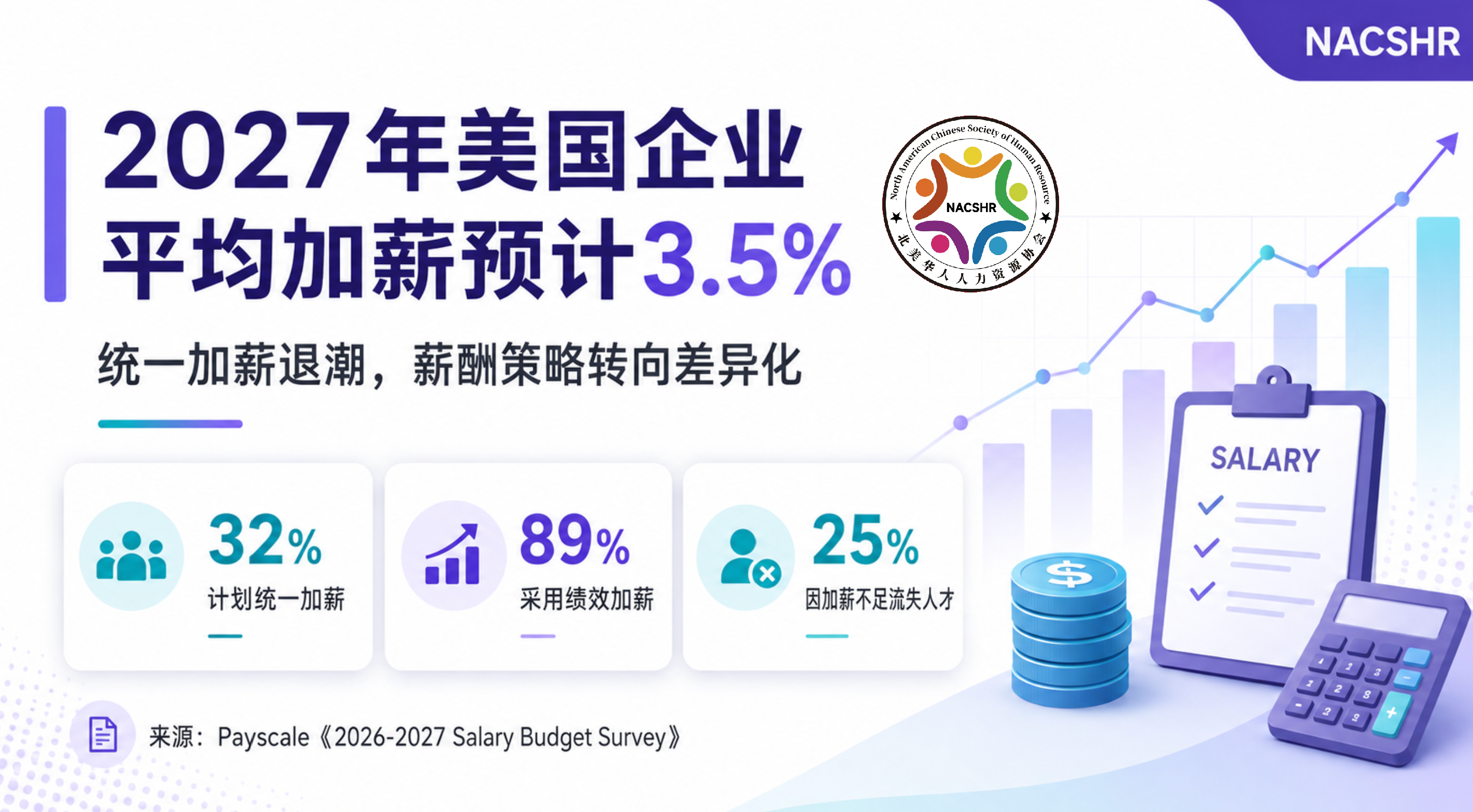
美国企业2027年预计平均加薪3.5%:“平均分配”退潮,HR薪酬决策进入精细化阶段
NACSHR核心摘要:美国企业预计2027年平均基本工资增幅为3.5%,较2026年实际3.4%小幅回升,但整体仍接近通胀水平。更重要的变化不是预算增加,而是分配逻辑改变:2026年有36%的组织实施统一加薪,2027年计划采用这一方式的比例降至32%,另有8%尚未决定。与此同时,89%的美国组织仍使用绩效加薪,69%提供晋升加薪,43%调整薪酬结构。25%的组织表示因加薪不足而流失人才。对HR而言,2027年薪酬管理重点将从“人人加多少”转向“哪些岗位、技能和贡献应获更多预算”,薪酬公平、市场竞争力与关键人才保留将同时进入决策。 “花生酱式加薪”正在退潮:企业薪酬预算开始向绩效与关键人才倾斜 Payscale最新发布的《2026—2027 Salary Budget Survey》显示,美国企业预计2027年平均基本工资增幅为3.5%,略高于2026年实际的3.4%。虽然0.1个百分点的增长并不显著,但企业分配薪酬预算的方式正在发生更值得关注的变化:统一比例、全员覆盖的“平均式加薪”正在减少,绩效、岗位价值、关键技能、市场竞争力和人才保留将成为更重要的预算分配依据。 对于北美华人HR以及正在美国开展业务的中国企业而言,这意味着2027年的薪酬规划不能只停留在“公司整体加薪多少”,而需要进一步回答:哪些岗位需要优先调整?哪些员工存在流失风险?不同地区、职级和人才群体之间,应当如何差异化配置有限的薪酬预算? 美国企业2027年预计平均加薪3.5% Payscale此次调查于2026年5月至6月开展,共获得1,266份有效组织样本。调查结果显示,美国企业2026年实际平均基本工资增幅为3.4%,低于企业在上一年度规划时预计的3.5%;进入2027年,企业再次将平均加薪预期设定为3.5%,平均薪酬预算也约占当前工资总额的3.5%。 从历史趋势来看,美国企业实际平均加薪幅度在2023年达到4.0%,随后逐步下降,2024年和2025年均为3.6%,2026年降至3.4%。2027年预计小幅回升至3.5%,说明企业薪酬预算正在趋于稳定,但尚未重新回到疫情后人才竞争最激烈时期的水平。 对于员工而言,当工资增幅与通胀水平接近时,实际购买力的提升可能并不明显。因此,即使企业完成了年度加薪,员工仍可能认为薪酬没有得到实质改善。这也意味着,HR不能仅依赖统一的年度加薪比例来解决人才满意度和保留问题。 “花生酱式加薪”正在逐步退潮 Payscale将面向所有员工、不考虑绩效和岗位差异而提供相同比例加薪的做法称为“Peanut Butter Pay”,即像在面包上均匀涂抹花生酱一样,将薪酬预算平均分配给所有员工。 2025年末,Payscale的调查显示,44%的组织正在实施或考虑采用统一加薪。最终,2026年实际采用这一方式的美国组织为36%;计划在2027年继续实行统一加薪的组织进一步下降至32%,60%的企业明确表示不会采用,另有8%尚未决定。 统一加薪的优势是执行简单、沟通直接,也可以减少部分员工对绩效评估过程的质疑。对于拥有大量小时工、采用固定薪级或阶梯式工资制度的政府、教育和大型一线劳动力组织,统一调整仍有一定合理性。 但对知识型岗位、专业服务、科技企业以及处于快速发展阶段的出海企业而言,完全平均分配也存在明显局限。高绩效员工、关键技术人才和承担更大责任的核心员工,可能无法获得足够的差异化认可;部分工资已经低于市场水平的员工,也可能因为统一加薪无法弥补差距。 绩效加薪仍是美国企业最主要的调整方式 调查显示,89%的美国组织采用绩效加薪,69%提供晋升加薪,43%会调整薪酬结构,31%提供通胀或生活成本调整,另有14%采用薪酬公平调整、市场调整或其他加薪方式。同一家企业也可能同时采用多种加薪机制。 这意味着,企业的年度薪酬预算正在从一个简单的统一比例,转变为由多个部分组成的组合方案。例如,企业可以为大部分员工提供基础调整,同时将额外预算用于高绩效员工、晋升人员、稀缺岗位、薪酬低于市场水平的员工,或者需要解决内部薪酬公平问题的特定群体。 Payscale首席薪酬策略师Ruth Thomas指出,在薪酬预算有限的情况下,对所有员工采取完全相同的处理方式虽然简单,但可能无法识别和奖励对企业最重要的人才、技能与贡献。企业正在转向更加审慎和差异化的薪酬策略,以支持人才吸引与保留。 25%的企业正在因加薪不足而流失人才 Payscale调查显示,25%的美国组织表示,2026年正在因加薪不足而流失人才;53%的组织表示没有出现这一情况,另有22%尚不确定。新闻稿同时强调,员工认为薪酬不公平,也正在成为企业人才流失的重要风险。 这一结果提醒企业,员工是否离职,并不只取决于工资的绝对数字,还取决于员工如何比较自己的薪酬。他们可能会比较同岗位的新老员工、不同团队之间的薪酬差异、自己的贡献与加薪结果,也可能通过招聘网站、行业交流和猎头接触了解外部市场价格。 对许多在美华人企业而言,薪酬管理仍然容易依赖创始人判断、历史工资或个别谈判结果。企业规模较小时,这种方式可能暂时可行;但随着团队扩大,缺乏统一岗位标准、薪酬区间和调整规则,很容易形成内部倒挂、新员工工资高于老员工、同岗不同薪或者关键人才长期未调整等问题。 因此,HR需要在年度加薪前完成更系统的人才风险分析,而不是等到员工提出离职后,再通过临时加薪进行挽留。 不同行业的薪酬预算差异正在扩大 Payscale数据显示,美国不同产业对2027年的加薪预期存在明显差异。Business Services预计平均加薪幅度由2026年的3.9%提高至2027年的4.5%;Manufacturing由3.4%提高至3.6%;Healthcare & Social Assistance由3.0%提高至3.2%;Nonprofit则由2.8%提高至3.3%。 与此同时,Technology行业预计平均加薪幅度由2026年的3.6%下降至2027年的3.4%;Media, Sports, & Entertainment由4.0%下降至3.3%;Aerospace & Defense虽然仍保持较高水平,但预计由5.1%下降至4.5%。 这些数据说明,企业不能简单地将3.5%视为所有行业、所有岗位和所有地区都适用的标准答案。对于正在美国招聘的中国出海企业而言,薪酬预算必须结合企业所在行业、招聘地区、岗位稀缺程度和竞争对手情况进行判断。 特别是在旧金山湾区、洛杉矶、纽约、西雅图、波士顿等人才成本较高的地区,同一岗位的市场薪酬可能与美国全国平均水平存在明显差异。如果企业只参考总部所在地或中国市场的薪酬经验,很容易低估美国本地招聘和人才保留成本。 NACSHR建议:2027年薪酬规划应重点完成五项工作 首先,企业需要建立基本的岗位架构与职级体系。即使员工规模尚未达到数百人,也应明确岗位职责、汇报关系、职级差异和成长路径,避免仅根据员工个人谈判能力确定薪酬。 其次,HR应开展市场薪酬对标。企业需要结合行业、地区、岗位、经验和企业规模,判断现有员工薪酬在市场中的位置,并识别明显低于市场水平的关键岗位。 第三,应将年度薪酬预算拆分为不同用途。基础调整、绩效加薪、晋升加薪、市场调整、薪酬公平修复和关键人才保留,不应全部混在一个统一比例中。只有拆分预算,企业才能更清楚地解释每一次调整的原因。 第四,需要提前识别人才流失风险。HR可以结合绩效表现、岗位替代难度、市场需求、任职年限、薪酬位置和员工反馈,建立关键人才风险清单,而不是所有员工采用相同的保留策略。 第五,企业必须提高薪酬沟通的透明度。差异化加薪并不意味着完全不公开规则。相反,企业越强调绩效和岗位差异,越需要让员工理解薪酬决定基于哪些因素、绩效如何影响调整、晋升需要达到什么标准,以及员工未来如何获得更高回报。 差异化薪酬不是简单地“给部分人多加、给部分人少加” 从NACSHR的角度来看,Payscale此次调查最重要的信号,并不是美国企业2027年会多加0.1个百分点,而是薪酬管理正在从粗放式预算分配进入精细化决策阶段。 差异化薪酬并不意味着企业可以随意决定谁获得更多,也不能仅依赖管理者的个人印象。真正成熟的差异化薪酬,需要岗位价值、市场数据、绩效结果、内部公平和清晰沟通共同支撑。 对于北美华人HR和中国出海企业而言,2027年薪酬规划应从“确定一个统一加薪比例”,升级为一套完整的人才投资决策:有限预算应当投入到哪些岗位、哪些能力和哪些员工身上,才能同时支持业务增长、内部公平和关键人才保留。 当企业无法持续扩大薪酬预算时,薪酬分配的准确性,将比预算本身的增长幅度更加重要。 ———————— 本次调查于2026年5月至6月开展,截至2026年6月12日共获得1,266份有效组织样本。数据覆盖美国、加拿大及部分国际市场,并按员工类别、行业、企业规模、收入、组织类型和地区进行划分。所有数据均由参与组织自行报告,每项细分结果至少需要五家组织参与,因此行业及国家数据应作为市场参考,而非统一的薪酬标准。
头条
2026年08月04日
《
1
2
3
4
5
》
31
跳转至
订阅NACSHR周报
HR Jobs
Seyond is hiring HR Generalist & Office Administrator in Sun
2026年09月06日
外企德科(FESCO Adecco)寻找 Part Time 猎头合伙人 合作性质:纯佣金远程兼职,非全职雇佣,Fr
2026年08月10日
Sales Assistant/Warehouse Assistant(销售支持) About Us When we
2026年07月24日
您好,我是 HiTHIUM(海辰储能) HR Kristina。我们目前在 Dallas(Mesquite) 招聘一位
2026年07月13日
最近文章
不到一年第二次站上联邦陪审团法庭:SHRM这次因“服务犬+撤回Offer”被告
2026年10月07日
全球劳动力报告深度解读:AI时代最大的挑战,不是裁员,而是员工的工作已经改变,组织却还没有跟上
2026年10月06日
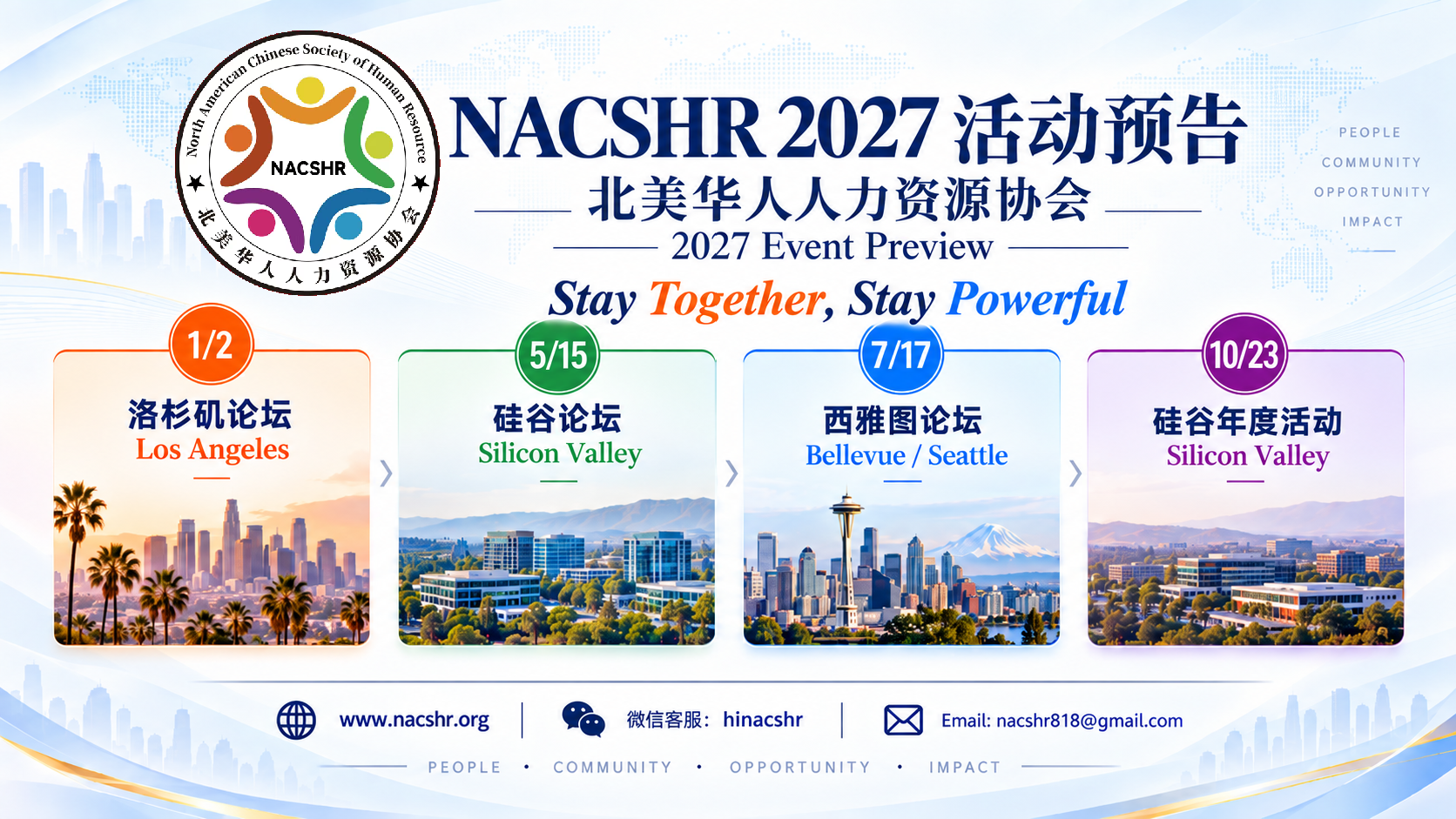
NACSHR发布2027年度活动计划:洛杉矶、硅谷、西雅图全年四场论坛
2026年10月01日
2027年CHRO信心继续降温:北美华人HR需要看到的,不只是招聘变化
2026年10月01日
精彩回顾:2026 NACSHR北美华人人力资源年度论坛硅谷举行:AI重构工作与组织,判断力成为新的稀缺能力
2026年09月28日
热门文章
那年今日
USCIS 10月7日晚 E-Verify 系统恢复上线,雇主被敦促尽快清理积压案件
2025年10月09日
扫一扫 添加客服
NACSHR招聘平台用户协议 & 免责声明
|
订阅NACSHR月报
|
NACSHR2024年度活动计划
|
NACSHR6月夏季论坛启动
|
Become a Speaker
|
北美HR需求指南-征集中
|
2024北美华人人力资源年度峰会
|
北美HR招聘平台-企业直招,内推
|
我有需求,想咨询
|
北美华人人力资源服务图谱
|
北美人力资源服务图谱
|
NACSHR在北美HR图谱
|
洛杉矶·NACSHR论坛
|
2025洛杉矶·华人HR年度论坛
|
NACSHR会员服务
|
NACSHR重磅发布企业高管签证与移民优选服务平台
|
官方邮箱:nacshr818@gmail.com
|
2026团体健康险报价开放中
|
免费发布北美HR职位
|
在线留言
|
联系我们
|
2026NACSHR夏季论坛·硅谷
|
付费方式
|
EPLI (雇主责任险)自主询价
|
福利保险
|
美国高官签证优选平台- L1、EB-1A等
|
2026NACSHR年度论坛9月26日
|
北美企业保险咨询
|
加州合规检测,仅需199一次
|
加州小企业医疗保险全指南
|
加州SB553
|
赞助合作
|
高管签证和移民优选服务
|
企业进入美国,HR 必须收藏的 30 个官方网站
|
30秒生成合规路线图
|
2026NACSHR年度论坛精彩回顾
|
2027年北美华人人力资源论坛计划安排
Email:
hi@nacshr.org
Copyright © 2026 NACSHR.org All Rights Reserved.
×
登录
用户注册
Email
密码
保持登录
忘记密码
登录

 头条
头条
 头条
头条
 头条
头条
 头条
头条
 头条
头条
 头条
头条
 头条
头条
 头条
头条
 头条
头条
 头条
头条




 扫一扫
添加客服
扫一扫
添加客服


